 Activix
  AutoTrader
  Black Book
  CarGurus
  Equifax
  TransUnion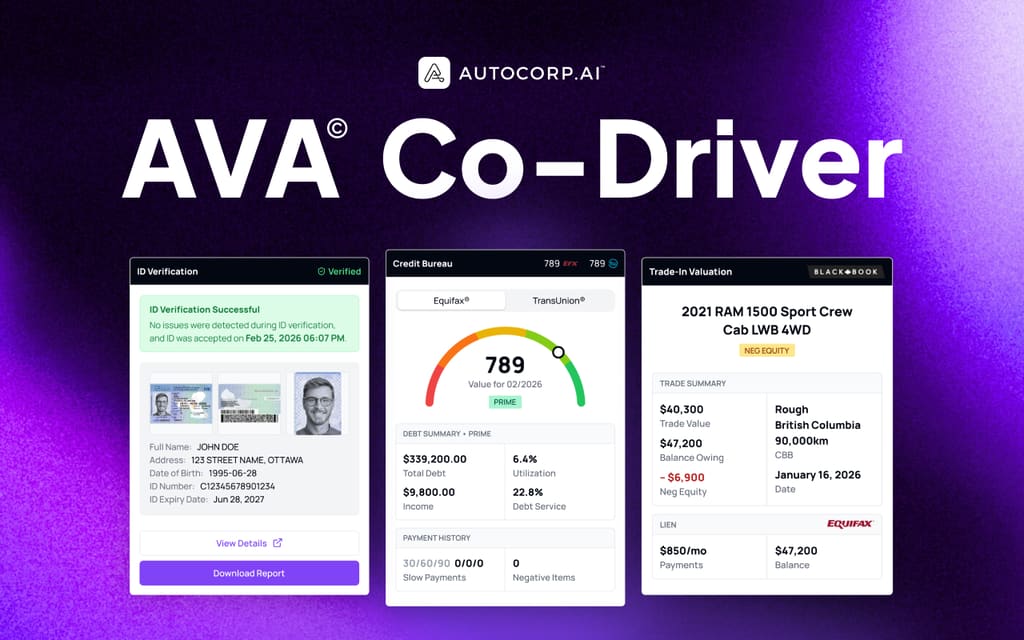

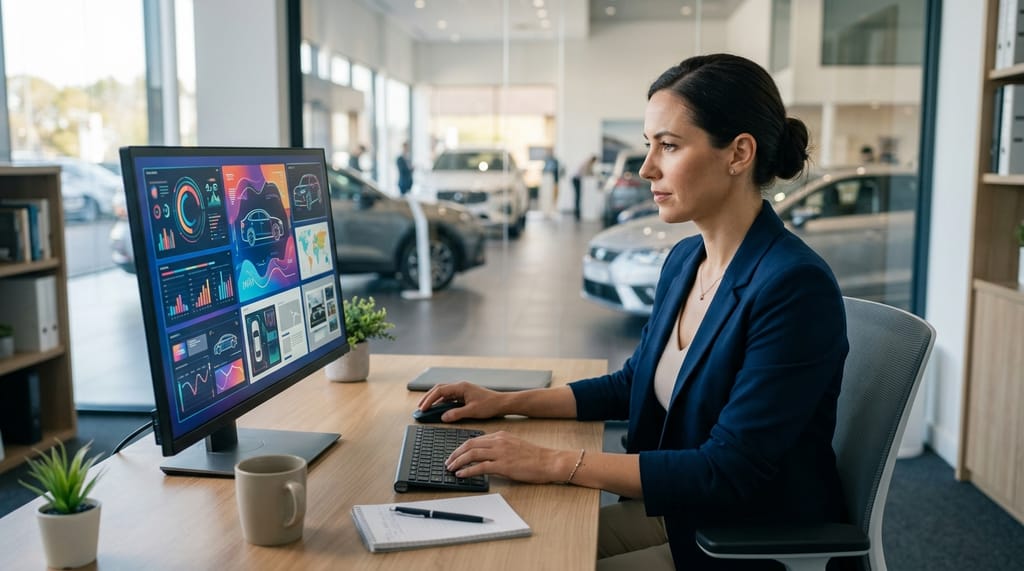
Ten years ago, most dealerships relied heavily on walk-in traffic, radio ads, newspaper inserts, and third-party marketplaces. Today, the buyer journey has changed dramatically.
Modern customers spend hours researching online before ever visiting a dealership. They compare vehicles, read reviews, watch videos, and often decide where they'll buy long before speaking to a salesperson.
That's why digital marketing for dealerships has become one of the biggest drivers of growth in the automotive industry.
Done correctly, digital marketing helps dealerships attract more qualified buyers, build trust, improve customer retention, and ultimately sell more vehicles.
Key Takeaways
- Digital marketing helps dealerships reach buyers earlier in the shopping process.
- SEO, Google Ads, social media, video, and email all play important roles.
- Most car buyers research online before visiting a dealership.
- Quality leads are more valuable than simply generating more leads.
- Consistent content helps build trust and long-term visibility.
- Data-driven marketing produces better results than relying on guesswork.
Why Digital Marketing Matters in the Automotive Industry
The automotive industry has become increasingly digital.
Today's consumers want answers immediately. They want to know:
- Vehicle availability
- Monthly payments
- Trade-in values
- Financing options
- Dealership reviews
- Service experiences
If your dealership isn't showing up online when shoppers are researching, you're missing opportunities before customers ever reach the showroom.
Digital marketing automotive industry strategies allow dealerships to connect with customers at every stage of the buying journey.
1. Search Engine Optimization (SEO) Helps Buyers Find You
SEO remains one of the most important long-term investments a dealership can make.
When customers search:
- "Used trucks near me"
- "Toyota dealer Ottawa"
- "Bad credit car financing"
- "SUV for families"
you want your dealership to appear in those results.
Strong SEO involves:
- Helpful blog content
- Vehicle pages
- Location pages
- Google Business Profiles
- Technical website optimization
Unlike paid ads, SEO continues working long after content is published.
Good content can generate leads for years.
2. Google Ads Deliver Immediate Traffic
While SEO takes time, Google Ads can deliver traffic immediately.
PPC campaigns allow dealerships to appear when customers actively search for:
- Specific vehicles
- Financing solutions
- Trade-in opportunities
- Local dealerships
One of the biggest advantages of Google Ads is intent.
People searching "used SUV near me" are often much closer to buying than someone scrolling social media.
Successful dealerships combine paid advertising with strong landing pages and fast follow-up.
3. Video Marketing Builds Trust
Video has become one of the most powerful tools in automotive marketing.
Consumers want to see:
- Vehicle walkarounds
- Test drives
- Customer testimonials
- Staff introductions
- Service tips
- Behind-the-scenes dealership culture
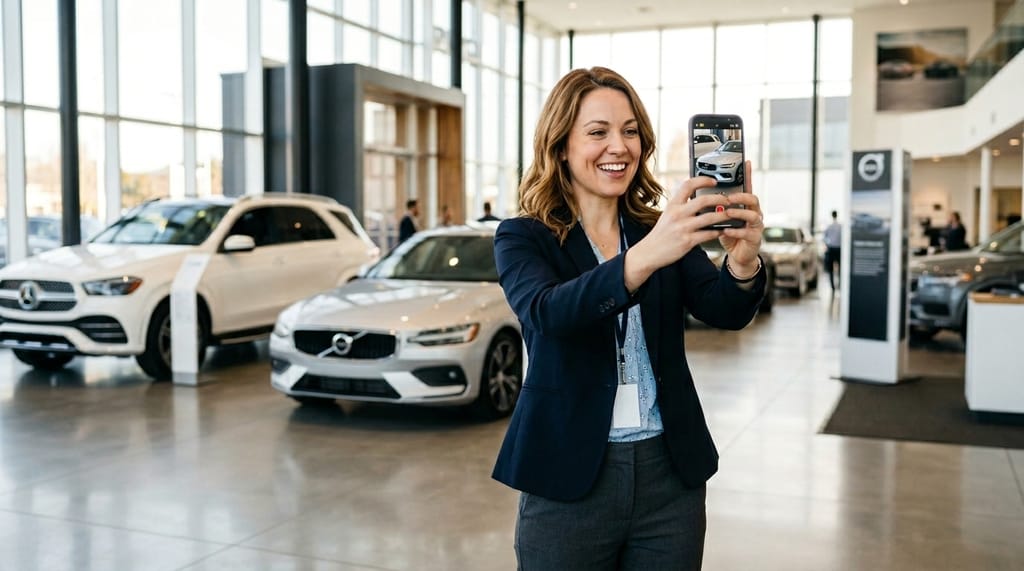
Short-form video on platforms like Instagram, Facebook, TikTok, LinkedIn, and YouTube helps dealerships build familiarity and trust.
People buy from people.
Video helps buyers connect with your team before they ever visit the store.
4. Social Media Keeps Your Dealership Top of Mind
Social media isn't just about posting inventory photos.
Modern dealership content should include:
- Delivery photos
- Staff spotlights
- Customer testimonials
- Educational content
- Vehicle comparisons
- Community involvement
Social media helps create awareness and keeps your dealership visible throughout the buying cycle.
Many buyers won't purchase immediately.
But when they are ready, they'll remember the dealerships they've consistently seen online.
5. Email Marketing Helps Generate Repeat Business
Most dealerships focus heavily on new customers while overlooking their existing database.
Email marketing remains one of the highest ROI marketing channels available.
Dealerships can use email campaigns to:
- Promote service specials
- Share maintenance reminders
- Highlight new arrivals
- Re-engage previous customers
- Encourage trade-ins
Staying connected with existing customers is often less expensive than acquiring new ones.
6. Online Reviews Influence Buying Decisions
Before visiting a dealership, many consumers read reviews.
AVA® convierte el tráfico de su sitio y campañas en compradores con intención crediticia real. Recórralo.
Reservar una demo →Positive reviews build trust.
Negative reviews can quickly push buyers toward competitors.
Dealerships should actively encourage satisfied customers to leave reviews on:
- DealerRater
Responding professionally to both positive and negative feedback demonstrates transparency and customer care.
Reputation management is now an essential part of digital marketing for dealerships.
7. Content Marketing Builds Long-Term Authority
Many dealerships underestimate the value of educational content.
Blogs, FAQs, videos, and buying guides help answer common questions such as:
- Can I finance with bad credit?
- Should I lease or buy?
- How much is my trade worth?
- Which SUV is best for families?
This type of content attracts buyers early in their research journey and positions your dealership as a trusted resource.
As AI-powered search continues to grow, answering customer questions clearly becomes even more important.
8. Better Leads Matter More Than More Leads
Not all leads are created equal.
Generating hundreds of low-intent leads often creates frustration for sales teams.
The goal should be attracting buyers who are actively moving through the purchase process.
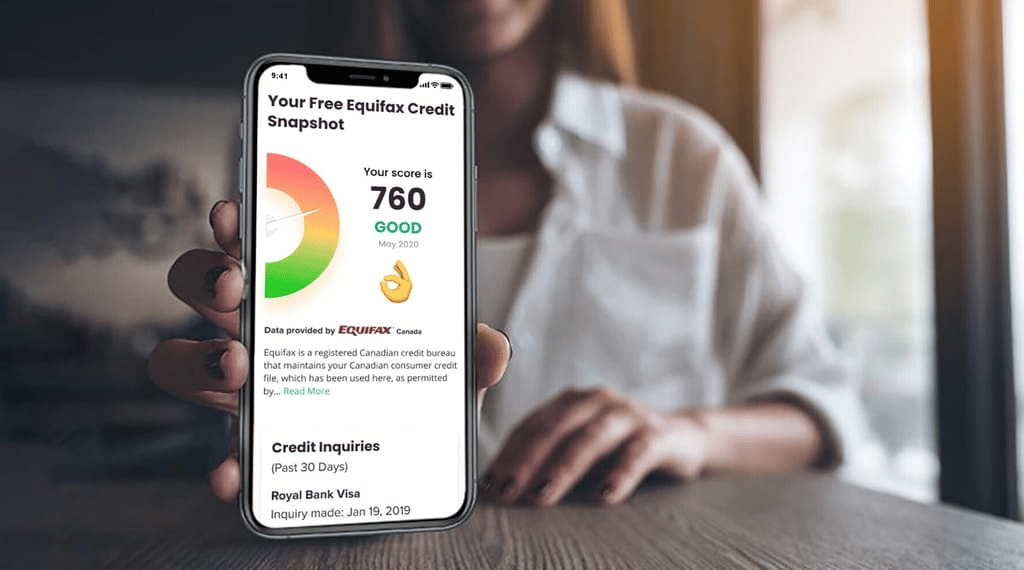
Tools like AVA™ Credit help dealerships generate credit-qualified leads by allowing customers to complete a no-impact Equifax soft pull before speaking with a salesperson.
This gives sales teams additional insight and helps prioritize follow-up efforts.
Better leads often produce better closing ratios.
9. Data Helps You Make Better Marketing Decisions
One of the greatest advantages of digital marketing is measurability.
Unlike traditional advertising, digital channels provide valuable insights including:
- Website traffic
- Lead sources
- Cost per lead
- Conversion rates
- Campaign performance
Instead of relying on assumptions, dealerships can make decisions based on real data.
Over time, this creates more efficient marketing and stronger returns on investment.
The Future of Automotive Marketing
The dealerships winning in 2026 are not necessarily the ones spending the most money.
They're the ones creating consistent experiences across every digital touchpoint.
Successful dealers understand that modern buyers expect:
- Fast responses
- Helpful information
- Transparent pricing
- Easy financing
- Trustworthy reviews
- Convenient online experiences
Digital marketing helps dealerships deliver exactly that.
Final Thoughts
Digital marketing in the automotive industry is no longer optional.
Consumers begin their journey online, and dealerships that establish a strong digital presence are better positioned to attract buyers, build trust, and increase sales.
Whether through SEO, Google Ads, video marketing, social media, email campaigns, or reputation management, every digital channel plays a role in helping dealerships stay competitive.
The key isn't simply doing more marketing.
It's creating better experiences for customers and using data to continuously improve your results.
Frequently Asked Questions
What is digital marketing for dealerships?
Digital marketing for dealerships refers to online strategies such as SEO, Google Ads, social media, video marketing, email marketing, and content creation that help attract and convert vehicle buyers.
Why is digital marketing important in the automotive industry?
Most consumers begin their vehicle research online. Digital marketing helps dealerships connect with buyers earlier, build trust, and generate more qualified leads.
Which digital marketing channel works best for dealerships?
SEO and Google Ads are often the strongest channels for generating high-intent traffic, while video and social media help build awareness and trust.
Is social media important for car dealerships?
Yes. Social media helps dealerships stay visible, showcase inventory, build relationships, and keep their brand top of mind with consumers.
How can dealerships improve lead quality?
Dealerships can improve lead quality by focusing on buyer intent, creating helpful content, optimizing landing pages, and using tools like AVA™ Credit to generate credit-qualified leads.