 Activix
  AutoTrader
  Black Book
  CarGurus
  Equifax
  TransUnion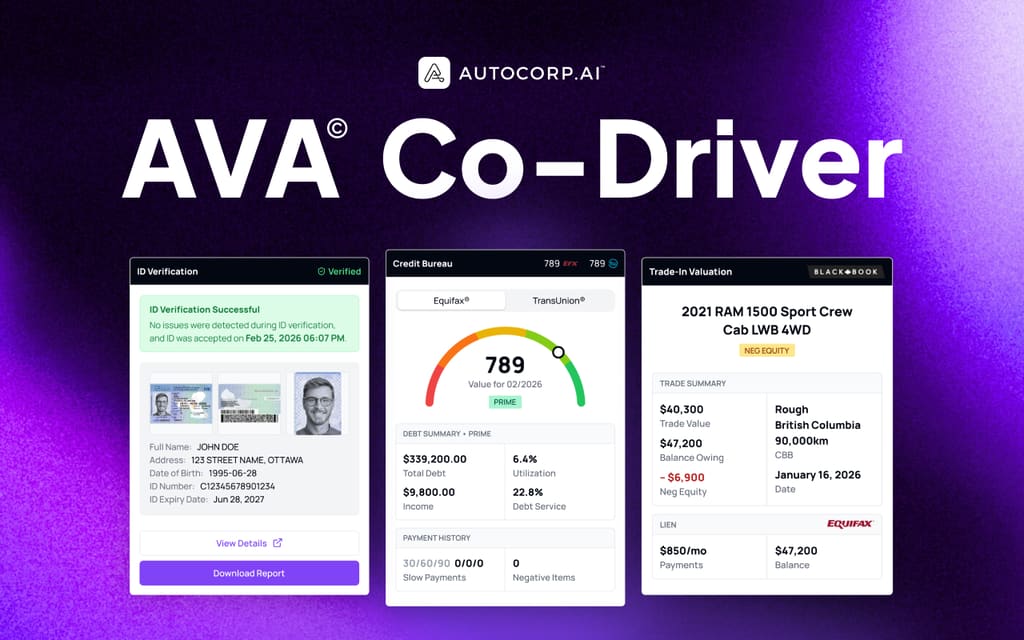



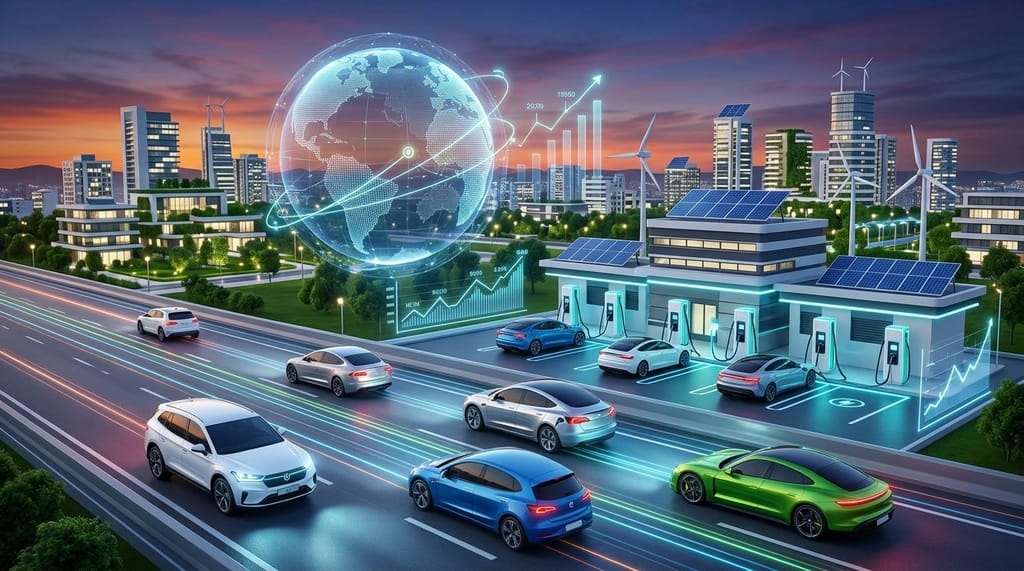
Electric vehicles have gone from niche products to a major force in the automotive industry. Consumers are paying closer attention to EVs than ever before, driven by rising fuel costs, advancements in battery technology, government incentives, and growing environmental awareness.
At the same time, the electric car market is entering a new phase. While global adoption continues to grow, manufacturers, dealerships, and consumers are navigating changing regulations, shifting incentives, charging infrastructure challenges, and evolving buyer expectations.
So, what is the current scenario of the electric car market in 2026? Let's take a closer look.
Key Takeaways
- Global electric vehicle sales surpassed 20 million units in 2025, representing approximately 25% of all new vehicle sales worldwide.
- The electric vehicle industry continues to grow, but adoption rates vary significantly by region.
- North American EV market trends have been influenced by changing government incentives and consumer affordability concerns.
- Charging infrastructure, vehicle pricing, and battery supply chains remain key challenges.
- Consumer interest in EVs remains strong, especially among younger buyers and technology-focused consumers.
- Industry analysts expect the electric car market to continue expanding throughout the decade.
The Current State of the Global Electric Car Market
The electric car market experienced another milestone year in 2025. According to the International Energy Agency (IEA), global electric car sales exceeded 20 million units, accounting for roughly one in every four new vehicles sold worldwide. This represented approximately 20% year-over-year growth.
China continues to lead the world in EV adoption, accounting for more than half of global electric vehicle sales. Europe remains a strong market due to emissions regulations and manufacturer investment, while adoption in emerging markets is accelerating as more affordable EV models become available.
Several factors have contributed to this growth:
- Improved battery range
- Increased model availability
- Lower battery production costs
- Expanding charging networks
- Government incentives and emissions regulations
As a result, the electric vehicle industry has moved beyond early adopters and is increasingly attracting mainstream buyers.
North American EV Market Trends
While global growth remains strong, North America has experienced a more complex EV landscape.
In the United States, electric car sales reached approximately 1.5 million units in 2025. However, growth slowed due to policy changes, the reduction of certain incentives, and consumer concerns about affordability. EVs still represented roughly 10% of total new vehicle sales for the year.
Canada has seen similar challenges. The expiration or reduction of some EV incentive programs contributed to slower growth and declining market share in certain provinces. Despite this, consumer interest in electric vehicles remains significant, particularly in urban markets.
For dealerships, these North American EV market trends highlight an important reality: EV demand remains strong, but buyers are becoming more selective and price-conscious.
What's Driving Electric Car Sales?
Several factors continue to fuel electric car sales across global markets.
1. More Vehicle Choices
Consumers now have access to hundreds of EV models across nearly every vehicle category, including:
- Sedans
- SUVs
- Pickup trucks
- Luxury vehicles
- Commercial fleets
This increased competition gives buyers more options than ever before.
2. Better Battery Technology
Modern EVs offer significantly greater range than earlier generations.
Many new models now exceed 400 km to 500 km of range on a single charge, helping address one of the industry's largest barriers: range anxiety.
3. Lower Operating Costs
Electric vehicles typically require less maintenance than traditional gasoline-powered vehicles. Combined with lower fueling costs, this can make EV ownership attractive over the long term.
4. Environmental Awareness
Many consumers view EVs as a way to reduce emissions and support sustainability initiatives, especially in regions with cleaner electricity grids.
Challenges Facing the Electric Vehicle Industry
Despite its growth, the electric vehicle industry still faces several obstacles.
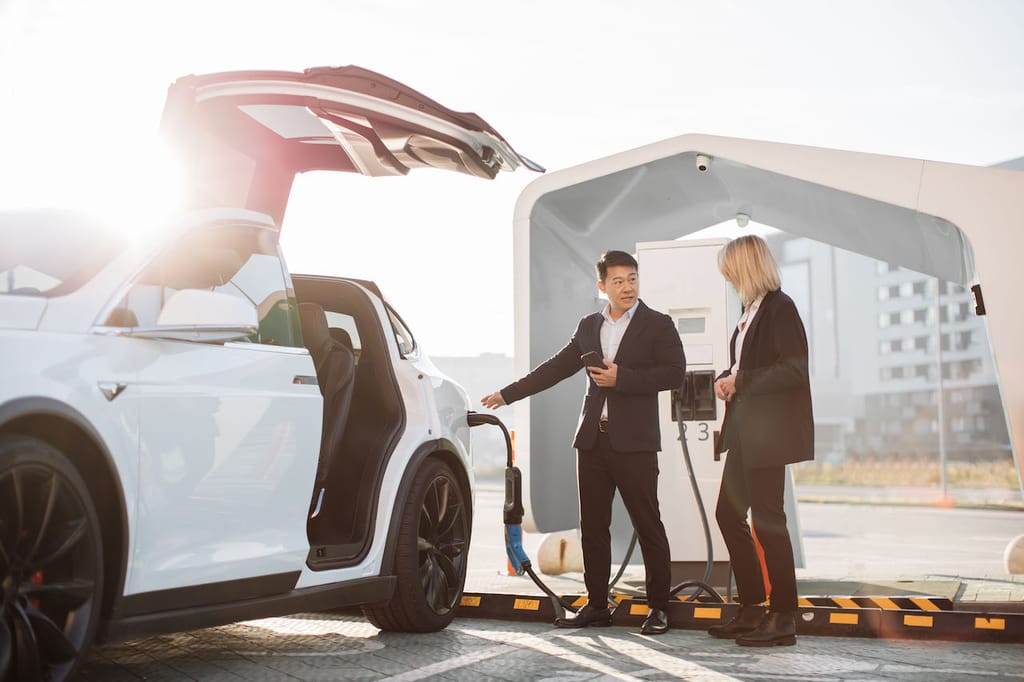
Charging Infrastructure
One of the most common concerns among potential buyers remains charging availability.
While public charging networks continue to expand, many consumers still worry about:
- Long-distance travel
- Charging wait times
- Rural charging access
- Reliability of charging stations
Affordability
AVA® lee datos de crédito, intercambio e identidad y los entrega justo donde su equipo trabaja. Haga el recorrido.
Reservar una demo →Although EV prices have become more competitive, affordability remains a concern.
High interest rates and rising vehicle prices have caused some consumers to delay vehicle purchases altogether, regardless of powertrain type.
Incentive Uncertainty
Government incentives have played a major role in EV adoption. When rebate programs change or expire, sales often experience short-term declines. This has been evident in both Canada and the United States.
Consumer Education
Many shoppers still have questions about:
- Battery lifespan
- Charging requirements
- Winter performance
- Resale values
- Total cost of ownership
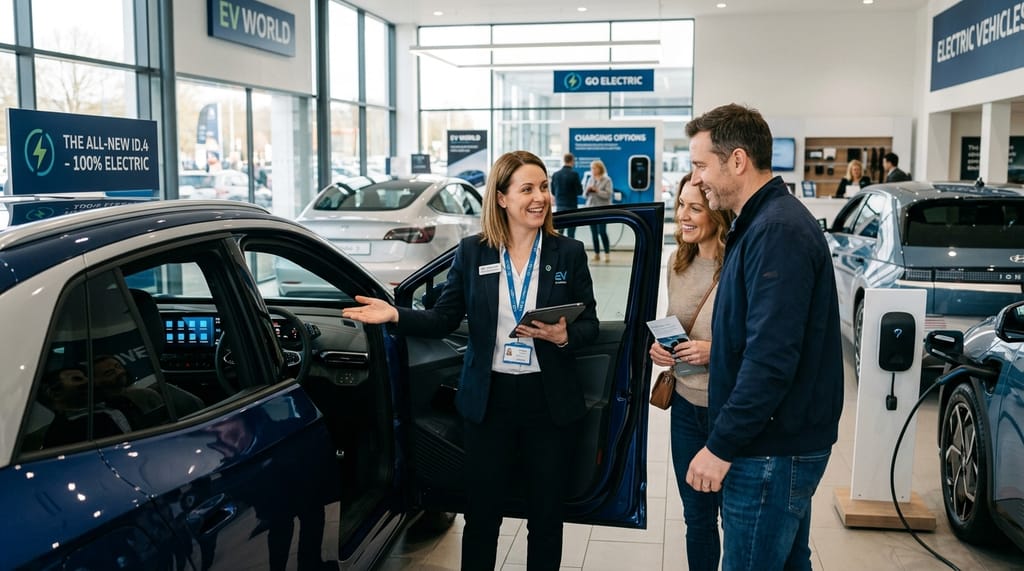
Dealerships that effectively educate buyers often have an advantage when selling electric vehicles.
Understanding Consumer Demand and Buying Behaviour
Consumer demand for EVs remains healthy, but buying behaviour is evolving.
Today's EV shoppers tend to prioritize:
- Vehicle range
- Purchase price
- Charging convenience
- Warranty coverage
- Technology features
Interestingly, many buyers are also considering hybrids and plug-in hybrids as transitional options before fully committing to an electric vehicle.
Research also suggests that once consumers purchase an EV, satisfaction levels are generally high, leading to strong repeat purchase intentions.
For automotive professionals, this means customer education and transparency are becoming increasingly important parts of the sales process.
Predictions for the Future of the Electric Car Market
Most industry forecasts suggest continued growth throughout the remainder of the decade.
The IEA projects the global EV fleet could quadruple by 2030 under current policy scenarios. Electric vehicles are expected to represent a growing share of new vehicle sales as battery costs continue to decline and infrastructure expands.
Several trends will likely shape the future:
- Continued battery technology improvements
- Faster charging capabilities
- Increased competition from new manufacturers
- Growth of vehicle-to-grid technology
- Greater integration of artificial intelligence and connected vehicle features
While growth rates may vary by region, the long-term direction of the electric car market remains clear: electrification is becoming a permanent part of the automotive landscape.
Frequently Asked Questions
How large is the electric car market today?
The global electric car market exceeded 20 million vehicle sales in 2025, accounting for approximately 25% of all new vehicle sales worldwide.
Are electric vehicle sales still growing?
Yes. Global electric vehicle sales continue to increase, although growth rates vary by country and region.
Why are some consumers hesitant to buy EVs?
Common concerns include charging infrastructure, purchase price, battery longevity, and long-distance travel convenience.
What are the biggest EV market trends right now?
Key EV market trends include growing model availability, advancements in battery technology, expanding charging networks, and increasing competition among manufacturers.
Will electric vehicles replace gas-powered cars?
Most experts expect electric vehicles to represent a much larger share of future vehicle sales, but gasoline and hybrid vehicles will likely remain part of the market for years to come.
Final Thoughts
The current scenario of the electric car market is one of continued growth, innovation, and transformation. While challenges remain, the electric vehicle industry has firmly established itself as a major segment of the global automotive market.
For dealerships, automotive professionals, and consumers alike, understanding these trends is essential. As technology improves and infrastructure expands, electric vehicles will continue shaping the future of transportation across North America and around the world.