 Activix
  AutoTrader
  Black Book
  CarGurus
  Equifax
  TransUnion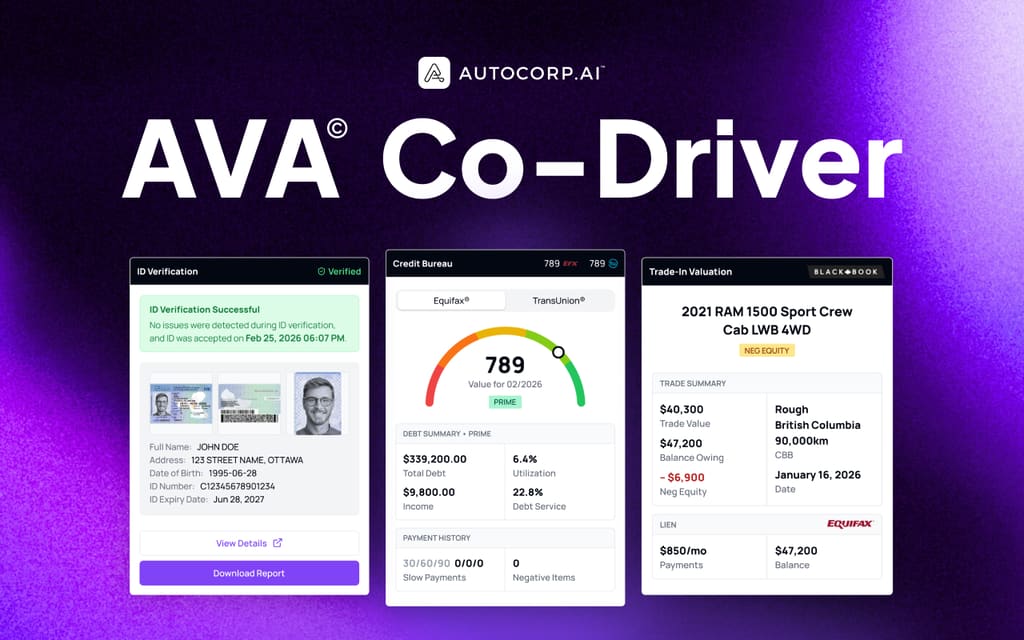


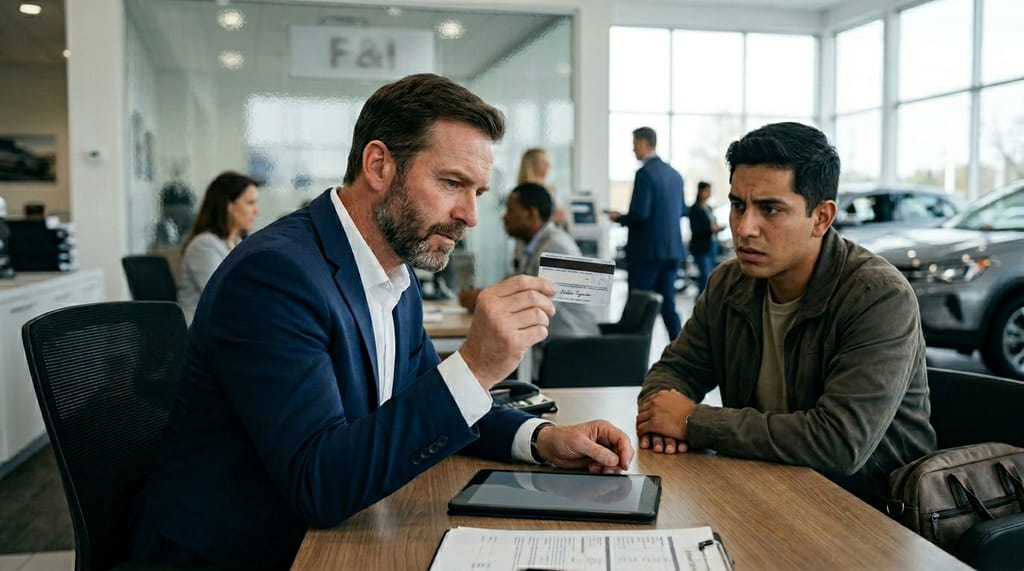
For years, most dealerships handled identity verification the same way.
A customer arrives for a test drive, hands over a driver’s license, and someone at the dealership takes a quick look before passing the keys across the desk.
In 2026, that process is no longer enough.
Vehicle fraud, identity theft, and synthetic identity scams have become major challenges for dealerships across North America. Criminals are using fake IDs, altered documents, stolen identities, and increasingly sophisticated fraud tactics that are difficult to detect with a simple visual inspection.
The reality is simple: manually checking a license does not verify identity.
For modern dealerships, especially in F&I, relying solely on manual ID checks creates unnecessary risk.
Key Takeaways
- Manual license checks do not confirm that the person is who they claim to be.
- Dealership fraud exposure extends beyond test drives into financing, delivery, and trade-in steps.
- Digital identity verification can check document authenticity, barcode consistency, selfie match, and fraud signals.
- Early verification helps sales and F&I teams reduce risk and keep cleaner deal files.
The Growing Fraud Problem in Automotive Retail
Automotive fraud has increased significantly over the last several years.
Fraudsters target dealerships because:
- Vehicles are high-value assets
- Test drives create access opportunities
- Financing applications contain valuable personal information
- Traditional dealership processes often rely on manual verification
What makes this even more challenging is how realistic fraudulent IDs have become.
A fake or altered driver’s license may:
- Look authentic at first glance
- Pass a quick visual inspection
- Contain real stolen information
- Include manipulated photos or barcodes
Even experienced dealership staff may struggle to identify sophisticated fraud attempts manually.
That creates serious risks during:
- Test drives
- Credit applications
- Vehicle deliveries
- Financing approvals
- Trade-in transactions
Why Manual License Checks Fall Short
Most manual dealership ID checks rely on human judgment.
Typically, staff members:
- Glance at the photo
- Compare the face briefly
- Check the birth date
- Make sure the card “looks real”
The problem is that none of this confirms whether:
- The ID is authentic
- The person presenting it is legitimate
- The document has been altered
- The identity is stolen
- The customer is using synthetic information
In busy dealership environments, these checks often happen quickly because sales staff are focused on moving the process forward.
Unfortunately, fraudsters understand this.
They rely on:
- Speed
- Distraction
- Human error
- Process gaps
A manual check might help verify that someone physically has a license. It does not confirm that the identity itself is trustworthy.
Fraud Risks Extend Beyond Test Drives
Many dealerships still think about ID verification only in relation to test drives.
But fraud exposure extends much further into the F&I process.
A fraudulent customer can create problems such as:
- Stolen vehicles during test drives
- Fraudulent financing applications
- Chargebacks and lender disputes
- Compliance issues
- Loss of lender confidence
- Identity theft exposure for real consumers
By the time F&I identifies suspicious information, the dealership may have already invested hours into the deal.
In some cases, the vehicle may already be gone.
That’s why more dealerships are moving identity verification earlier in the customer journey.
Why Digital Identity Verification Matters in 2026
Digital identity verification tools help dealerships validate identity far beyond what a manual license check can accomplish.
Instead of relying on visual inspection alone, modern ID verification systems analyze:
- Document authenticity
- Security features
- Barcode consistency
- Facial biometrics
- Selfie-to-ID matching
- Fraud indicators
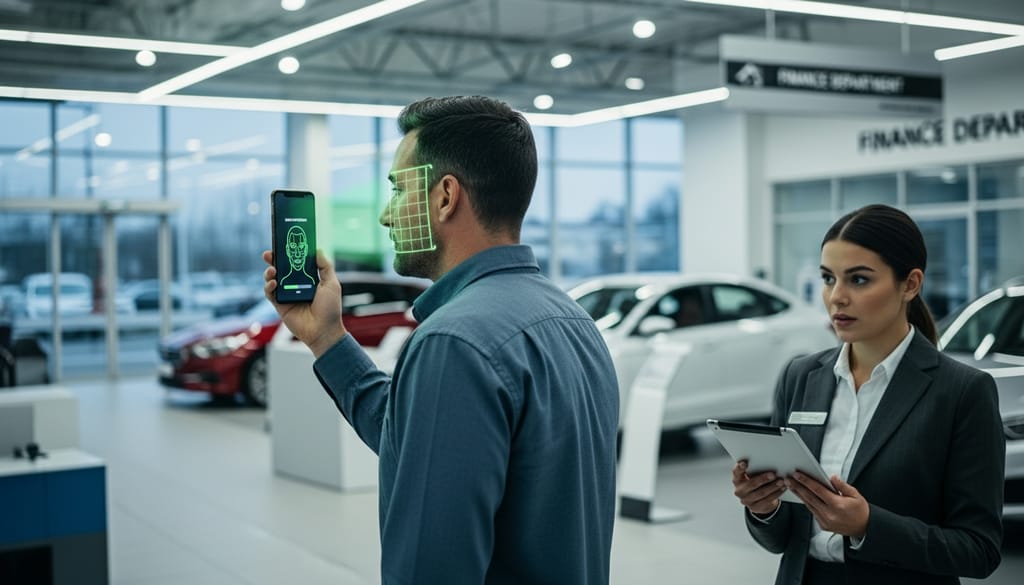
AVA® checks government ID, matches a live selfie, and runs 30+ fraud checks in about 60 seconds. See it live.
Book a demo →This creates a much stronger verification process while reducing reliance on human judgment.
Tools like AVA™ ID help dealerships verify customer identity digitally before the deal progresses too far.
The process is simple:
- The customer receives a secure verification link
- They upload their government-issued ID
- They complete a selfie verification
- The system validates both the document and biometric match
- Results are returned directly to the dealership
This helps dealerships identify potential fraud risks before:
- Test drives
- Financing discussions
- Vehicle delivery
- Lender submission
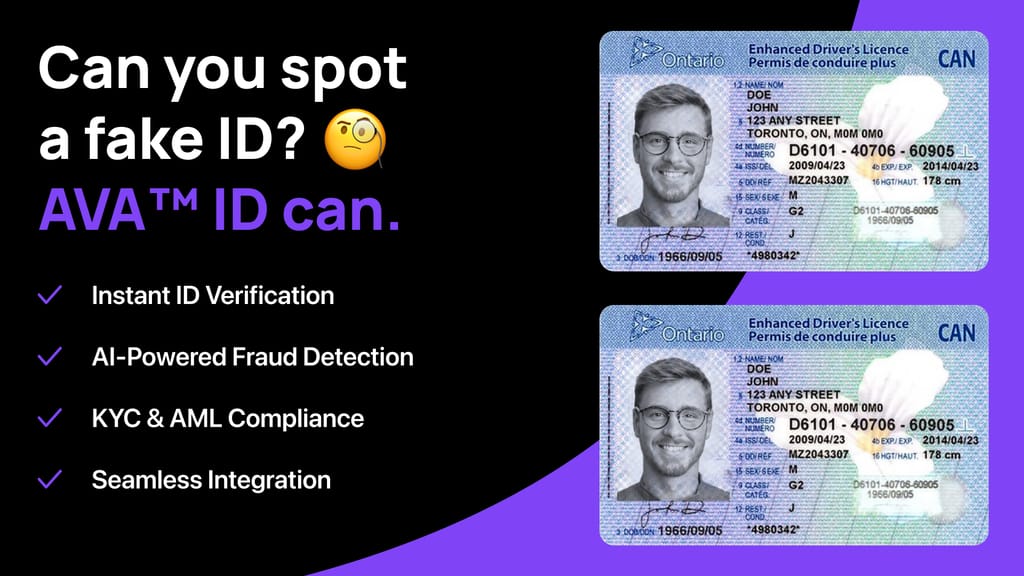
Why Early Verification Improves Dealership Efficiency
Identity verification is not just about security. It also improves operational efficiency.
When dealerships verify customers earlier:
- Sales teams avoid wasting time on fraudulent leads
- F&I receives cleaner customer files
- Lenders receive more reliable applications
- Test drive risk decreases
- Deal delays are reduced
It also creates a smoother experience for legitimate buyers.
Customers increasingly expect fast, digital-first processes. Modern verification tools reduce paperwork and simplify the buying journey while still protecting the dealership.
The Shift Toward Pre-Qualified Walk-Ins
One of the biggest shifts happening in automotive retail is the move toward earlier qualification.
Dealerships no longer want to wait until the F&I office to discover:
- The customer cannot qualify
- The identity is suspicious
- The credit profile doesn’t fit the deal
That’s where tools like VeriDrive are starting to change the process.
VeriDrive combines:
- Digital identity verification
- Soft-pull credit qualification
- Walk-in customer screening
- Rapid buyer insights
Instead of manually checking a license and hoping for the best, dealerships can:
- Verify identity
- Review credit insights
- Understand buying power
- Structure realistic deals earlier
All before investing significant time into the sales process.
For dealerships, this creates several advantages:
- Qualified buyers get prioritized faster
- Salespeople present more realistic inventory
- Desk managers structure deals more efficiently
- F&I avoids late-stage surprises
Fraud Prevention Is Now a Competitive Advantage
Fraud prevention used to be viewed primarily as a compliance concern.
In 2026, it’s becoming a dealership performance issue.
The dealerships that operate most efficiently are the ones reducing friction while still protecting themselves from risk.
That means:
- Verifying identity earlier
- Using digital verification tools
- Reducing manual processes
- Combining identity and credit insights
- Giving sales and F&I teams better visibility upfront
Modern dealerships are realizing that preventing fraud early also helps improve close rates, customer experience, and operational efficiency.
What identity verification software works best for dealership fraud prevention?
The best dealership ID verification software combines government ID validation, biometric matching, liveness detection, and fraud screening. AVA® ID is built specifically for automotive dealers, supporting in-store QR verification and remote SMS verification with lender-ready reports.
Final Thoughts
Manual license checks were designed for a much simpler dealership environment.
Today’s fraud risks are far more sophisticated, and relying solely on visual inspection leaves major gaps in the process.
Digital identity verification tools like AVA™ ID help dealerships verify customers more accurately, reduce fraud exposure, and improve efficiency across sales and F&I workflows.
And when identity verification is combined with early credit qualification through solutions like VeriDrive, dealerships gain a much clearer understanding of who the customer is and whether the deal is realistic before valuable time is lost.
In modern automotive retail, verifying identity properly is no longer optional. It’s part of building a faster, safer, and more efficient dealership process.