 Activix
  AutoTrader
  Black Book
  CarGurus
  Equifax
  TransUnion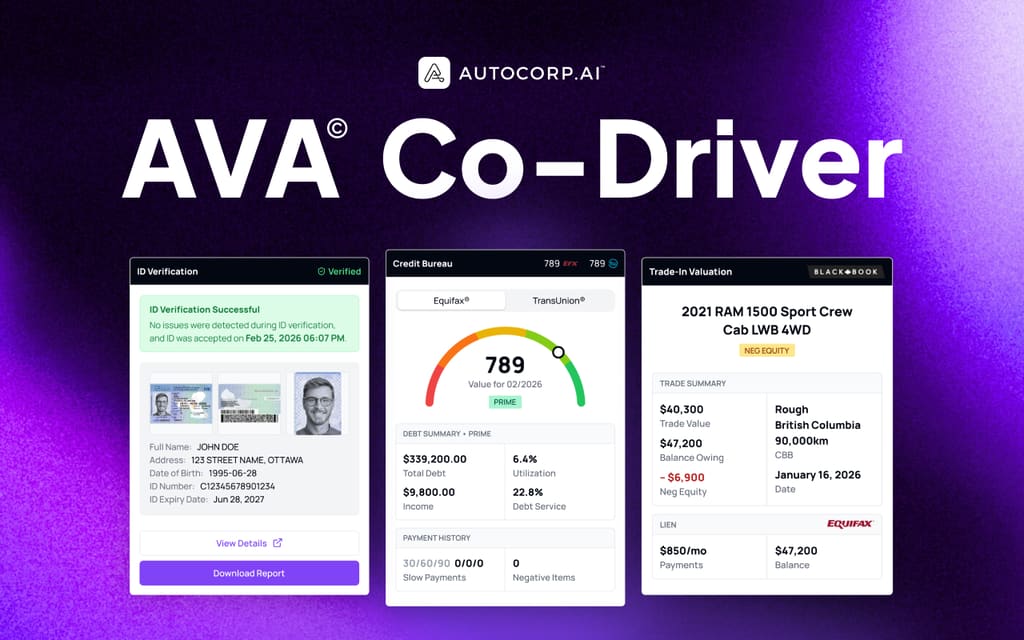
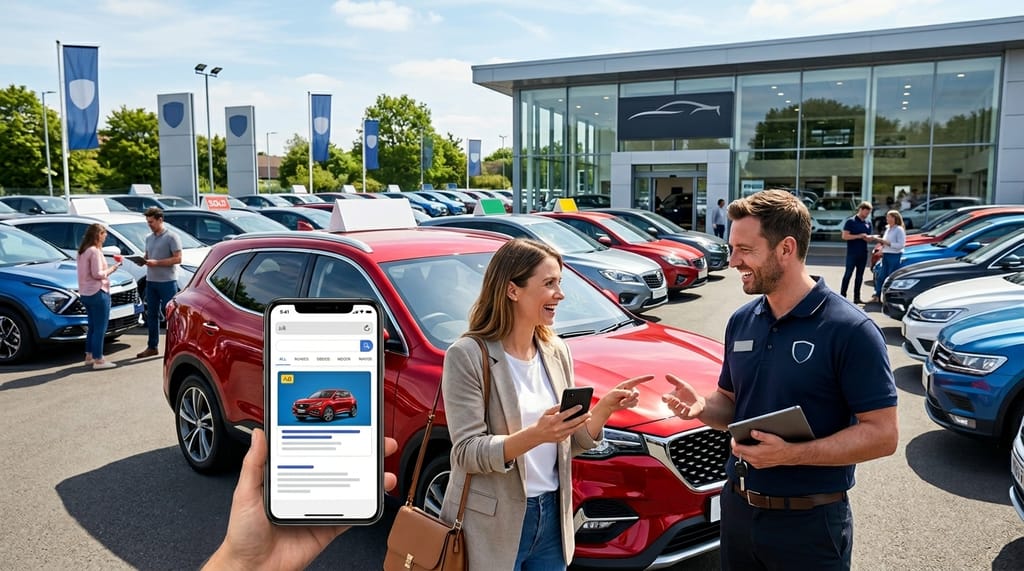
If you're looking for ways to generate more leads, increase showroom traffic, and sell more vehicles, you've probably heard about PPC marketing.
But can PPC marketing actually help your dealership sell more cars?
The short answer is yes, when it's done correctly.
Many dealerships invest thousands of dollars every month into paid advertising platforms like Google Ads, Microsoft Ads, Facebook, Instagram, and YouTube. Some see exceptional returns. Others burn through their budget with very little to show for it.
The difference usually comes down to strategy, targeting, and lead quality.
In this guide, we'll break down how PPC marketing for dealerships works, the benefits and challenges, and how dealers can maximize their return on investment.
Key Takeaways
- PPC marketing for dealerships allows you to reach in-market buyers actively shopping for vehicles.
- Google Ads often delivers some of the highest-intent automotive traffic available.
- Successful PPC campaigns require proper targeting, landing pages, and lead follow-up.
- Not all leads are equal, lead quality matters more than lead volume.
- Combining PPC advertising with tools that pre-qualify buyers can improve conversion rates.
- Dealerships that track results and optimize campaigns consistently see the best long-term performance.
What Is PPC Marketing?
PPC stands for Pay-Per-Click marketing.
Instead of paying for impressions or organic visibility, advertisers pay only when someone clicks on their ad.
Common PPC platforms used by dealerships include:
- Google Ads
- Microsoft Ads (Bing)
- Facebook Ads
- Instagram Ads
- YouTube Ads
- TikTok Ads
When someone searches for terms like:
- "Used trucks near me"
- "SUV financing Ontario"
- "Toyota dealer Toronto"
- "Bad credit car loan"
your dealership's ad can appear directly in front of them.
This makes PPC marketing one of the fastest ways to generate traffic and leads.
Why PPC Marketing Works for Dealerships
The biggest advantage of PPC marketing for dealerships is intent.
Unlike traditional advertising, PPC allows you to reach shoppers who are actively researching or shopping for a vehicle.
Consider the difference:
A billboard is shown to everyone driving down a highway.
A Google search ad appears only when someone searches for a vehicle, financing option, or dealership-related term.
One audience may be casually browsing.
The other is actively looking to buy.
That distinction is why PPC continues to be one of the most effective marketing channels in automotive retail.
The Benefits of PPC Marketing for Dealerships
Immediate Visibility
Search engine optimization (SEO) is important, but it takes time.
PPC campaigns can begin generating traffic almost immediately after launch.
This makes PPC particularly valuable for:
- New dealerships
- Seasonal promotions
- Vehicle clearance events
- Special financing offers
- New inventory arrivals
Highly Targeted Advertising
Modern advertising platforms allow dealerships to target users based on:
- Location
- Search intent
- Demographics
- Vehicle interests
- Shopping behaviour
This ensures your budget is spent on people who are most likely to become customers.
Measurable Results
One of the biggest advantages of PPC marketing is transparency.
You can track:
- Clicks
- Leads
- Phone calls
- Form submissions
- Cost per lead
- Cost per sale
This makes it easier to understand which campaigns are producing actual revenue.

Scalable Lead Generation
Unlike many traditional advertising channels, PPC campaigns can scale.
If a campaign is generating profitable results, budgets can often be increased to drive additional opportunities.
Common PPC Mistakes Dealerships Make
Many dealerships launch PPC campaigns but fail to maximize results.
Here are some of the most common mistakes.
Focusing on Clicks Instead of Sales
A campaign generating thousands of clicks may look successful on paper.
But clicks don't pay the bills.
The real metric is how many vehicles are sold.
Successful dealerships focus on:
- Qualified leads
- Appointments
- Credit applications
- Vehicle sales
Not just website traffic.
Sending Traffic to Generic Pages
Many dealers send PPC traffic directly to their homepage.
This creates friction.
Instead, campaigns should send visitors to dedicated landing pages built around a specific offer or objective.
Examples include:
- Vehicle inventory pages
- Credit application pages
- Trade-in valuation pages
- Special financing offers
The easier it is for customers to take action, the higher the conversion rate.
AVA® convertit le trafic de votre site et de vos campagnes en acheteurs avec une réelle intention de crédit. Parcourez-le.
Réserver une démo →Poor Lead Follow-Up
Even the best PPC campaign cannot overcome weak follow-up processes.
Research consistently shows that dealerships that respond quickly generate significantly better conversion rates than those that wait hours or days.
Speed matters.
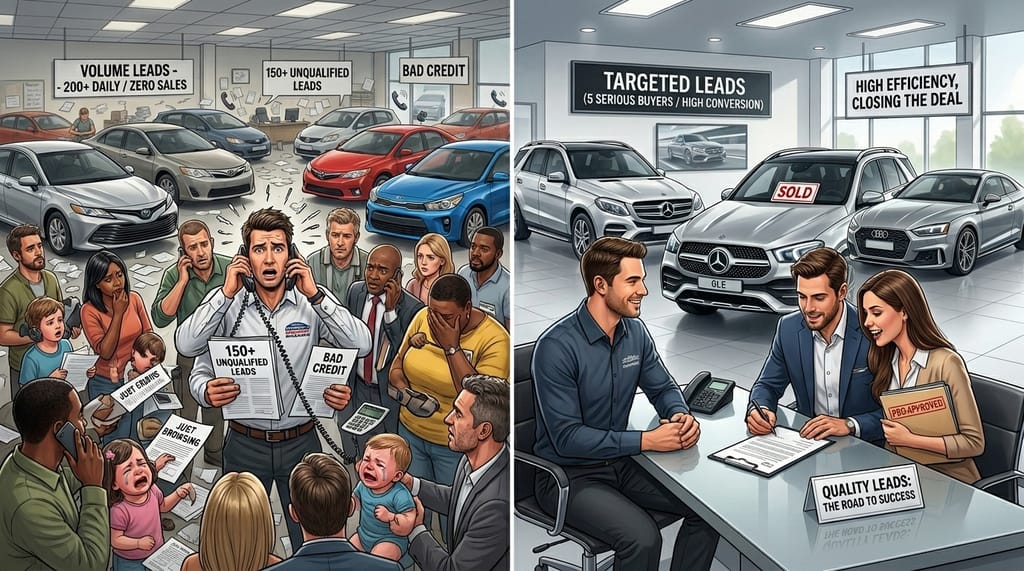
Why Lead Quality Matters More Than Lead Volume
One of the biggest misconceptions in automotive marketing is that more leads automatically mean more sales.
In reality, many dealerships struggle because they're generating low-quality leads.
A lead who simply fills out a basic contact form may not be ready to buy.
A lead who has:
- Completed a credit application
- Submitted trade information
- Verified their identity
- Scheduled an appointment
is often much closer to making a purchase decision.
That's why many dealers are shifting their focus from lead quantity to lead quality.
How PPC and AVA™ Credit Work Together
For dealerships investing in PPC marketing, one of the biggest challenges is determining which leads are actually worth prioritizing.
This is where AVA™ Credit can help.
Instead of generating generic website inquiries, dealerships can direct PPC traffic toward a no-impact credit qualification experience.
This allows customers to:
- View credit insights without affecting their score
- Start the financing process online
- Self-qualify before speaking with a salesperson
For dealerships, this creates more actionable opportunities because sales teams have additional context before making first contact.
The result is often:
- Better lead prioritization
- Faster follow-up
- More productive conversations
- Higher conversion potential
The goal isn't simply generating more leads. It's generating better leads.
PPC Marketing Trends Dealerships Should Watch
The PPC landscape continues to evolve.
Several trends are shaping dealership advertising in 2026 and beyond.
AI-Powered Campaign Optimization
Platforms like Google Ads increasingly use artificial intelligence to optimize bidding, audiences, and ad placements.
Dealerships that provide quality conversion data often see stronger performance from these automated systems.
Video Advertising
Consumers are spending more time watching short-form video content.
YouTube, Instagram Reels, TikTok, and Connected TV advertising are becoming increasingly important parts of dealership marketing strategies.
First-Party Data
As privacy regulations evolve, dealerships are placing greater emphasis on collecting and utilizing their own customer data.
This helps improve audience targeting while reducing dependence on third-party tracking.
Quality Over Quantity
The most successful dealerships are no longer chasing the largest number of leads.
They're focused on generating buyers who are actually ready to move forward.
Final Thoughts
So, can PPC marketing help your dealership sell more cars?
Absolutely.
When executed properly, PPC marketing for dealerships remains one of the most effective ways to reach in-market shoppers, generate leads, and increase vehicle sales.
However, success requires more than simply launching ads.
Dealerships that achieve the strongest results focus on:
- Intent-driven targeting
- Dedicated landing pages
- Fast lead follow-up
- Ongoing campaign optimization
- Lead quality over lead quantity
As competition for online buyers continues to increase, dealerships that combine effective PPC advertising with strong qualification processes will be in the best position to maximize both marketing ROI and vehicle sales.
Frequently Asked Questions
What is PPC marketing for dealerships?
PPC marketing for dealerships is a form of digital advertising where dealers pay when a user clicks on their ad. Common platforms include Google Ads, Microsoft Ads, Facebook, Instagram, and YouTube.
Is Google Ads worth it for car dealerships?
Yes. Google Ads allows dealerships to reach consumers actively searching for vehicles, financing options, and local dealerships, making it one of the highest-intent marketing channels available.
How much should a dealership spend on PPC advertising?
Budgets vary based on market size, competition, and goals. Many dealerships invest anywhere from a few thousand dollars to tens of thousands per month in PPC advertising.
What is the biggest mistake dealerships make with PPC?
Focusing on clicks instead of sales. Successful dealerships measure qualified leads, appointments, and vehicle sales rather than traffic alone.
How can dealerships improve PPC lead quality?
Dealerships can improve lead quality by using dedicated landing pages, credit qualification tools, trade-in forms, and faster lead follow-up processes.
Does PPC work better than SEO for dealerships?
PPC and SEO serve different purposes. PPC generates immediate traffic, while SEO builds long-term visibility. The most successful dealerships typically invest in both.
What PPC platform is best for car dealerships?
Google Ads is often the strongest platform for high-intent traffic, while Facebook, Instagram, YouTube, and TikTok can be highly effective for awareness and remarketing campaigns.