 Activix
  AutoTrader
  Black Book
  CarGurus
  Equifax
  TransUnion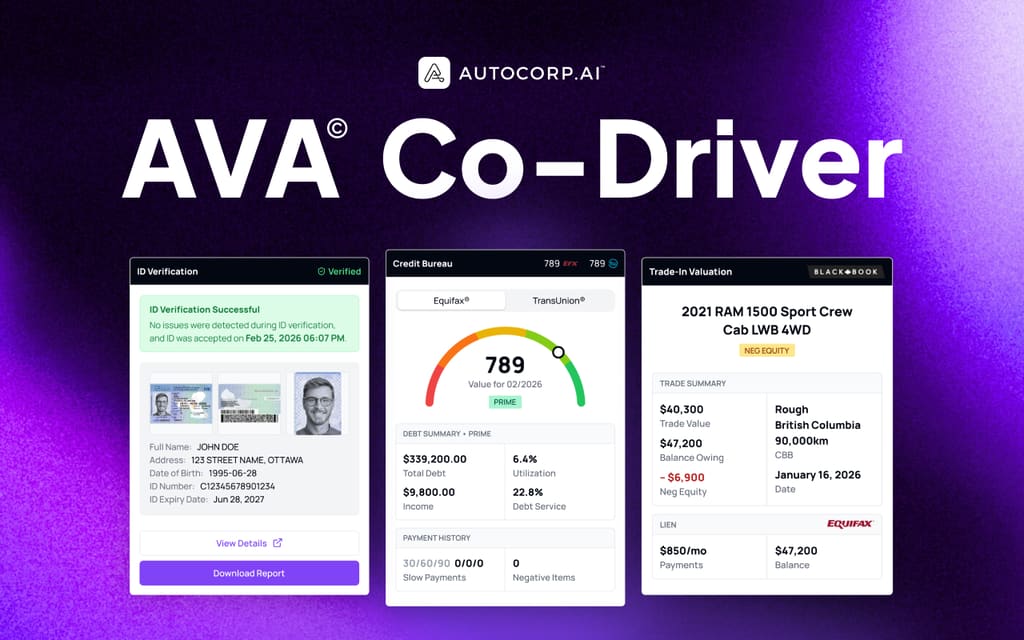


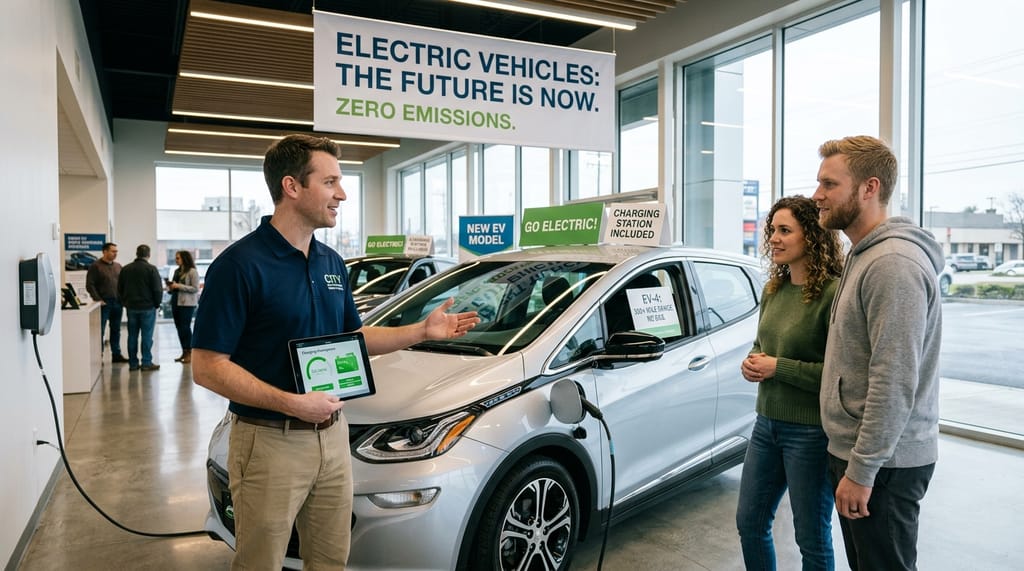
Electric vehicles are no longer a niche category. They are becoming a larger part of dealership inventory, consumer conversations, and long-term automotive strategy.
But while EV adoption continues to grow, many dealerships are still marketing electric vehicles the same way they market gas-powered inventory. That creates a disconnect.
EV buyers behave differently. They research differently. They ask different questions. And they often need more education before making a purchase decision.
If your dealership wants to compete in 2026 and beyond, building a stronger EV marketing strategy is no longer optional.
Key Takeaways
- EV buyers spend more time researching before visiting a dealership
- Education is a critical part of EV marketing
- Search visibility and digital content matter more than ever
- Credit qualification and affordability remain major decision drivers
- A modern EV marketing strategy combines education, trust, and targeted lead generation
Why EV Marketing Requires a Different Approach
Traditional vehicle marketing often focuses on incentives, pricing, and availability.
Those factors still matter for EVs, but they are rarely enough.
Many shoppers are entering the EV market for the first time. They have questions about:
- Charging infrastructure
- Battery range
- Ownership costs
- Government incentives
- Maintenance requirements
- Home charging installation
- Long-term value
This means dealerships are not just selling vehicles. They are helping customers understand an entirely different ownership experience.
That shift changes how your marketing should work.
An effective EV marketing strategy starts with education first and selling second.
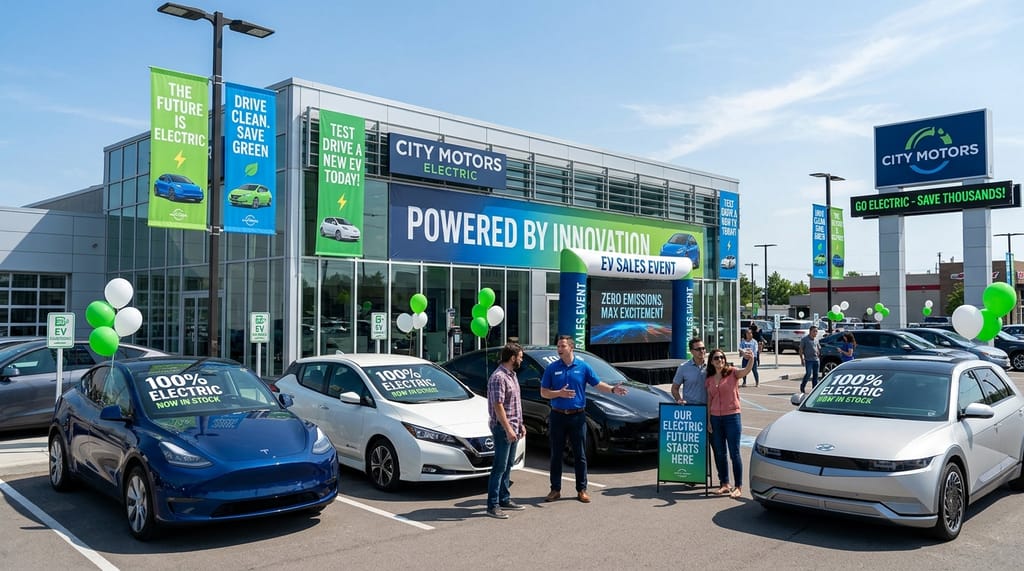
The Modern EV Buyer Journey Starts Online
Most EV shoppers begin their research long before contacting a dealership.
They compare models, watch videos, read reviews, and calculate ownership costs online.
According to industry research, buyers often visit multiple websites and consume hours of content before speaking with a salesperson.
That means your website and digital presence play a larger role than ever.
If your dealership’s EV inventory pages provide little information beyond specs and pricing, you may lose buyers before they ever become leads.
Strong EV marketing begins with digital visibility and content that answers real questions.
1. Build Educational EV Content
Many dealerships underestimate how valuable educational content can be.
A customer searching "How far can an EV go in winter?" or "Are EV batteries expensive to replace?" may be early in the funnel, but they are still a potential buyer.
Content builds trust.
Consider creating:
- EV buying guides
- Charging explainer pages
- Incentive breakdowns
- EV ownership cost calculators
- FAQ pages
- Short educational videos
- Comparison articles between EV and gas models
This type of content supports both SEO and lead generation.
It also positions your dealership as a helpful resource instead of just another inventory listing.
2. Optimize for Local EV Search
An EV marketing strategy without SEO leaves visibility on the table.
Many EV shoppers search with local intent.
Common searches include:
- EV dealership near me
- Electric vehicles in [city]
- EV tax rebates Canada
- Best electric SUV Canada
- EV charging near me
Your dealership should optimize:
- Vehicle detail pages
- Inventory pages
- Google Business Profile
- Local landing pages
- Blog content
Include location-specific information and naturally incorporate EV-related keywords throughout your website.
Search traffic remains one of the highest-intent lead sources available.
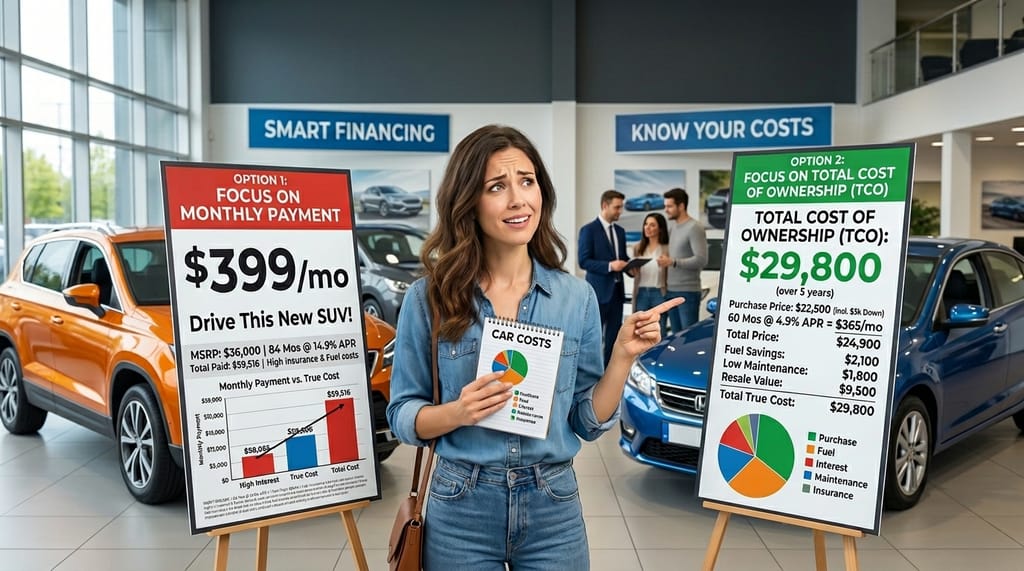
3. Focus on Total Cost of Ownership
One of the biggest advantages of EV ownership is long-term operating cost.
But many dealerships still market EVs based primarily on monthly payment or MSRP.
That misses part of the story.
EV buyers often want to understand:
- Fuel savings
- Reduced maintenance
- Lower operating costs
- Potential tax incentives
- Ownership over time
AVA® converts your website and campaign traffic into buyers with real credit intent. Walk through it.
Book a demo →An effective EV marketing strategy helps customers compare ownership costs, not just sticker price.
Showing the bigger financial picture can significantly improve engagement and conversion.
4. Make Financing Part of the Conversation Earlier
Affordability still drives purchase decisions.
Even highly interested EV shoppers may hesitate if they are uncertain about financing.
That is why dealerships should make financing easier and more transparent early in the journey.
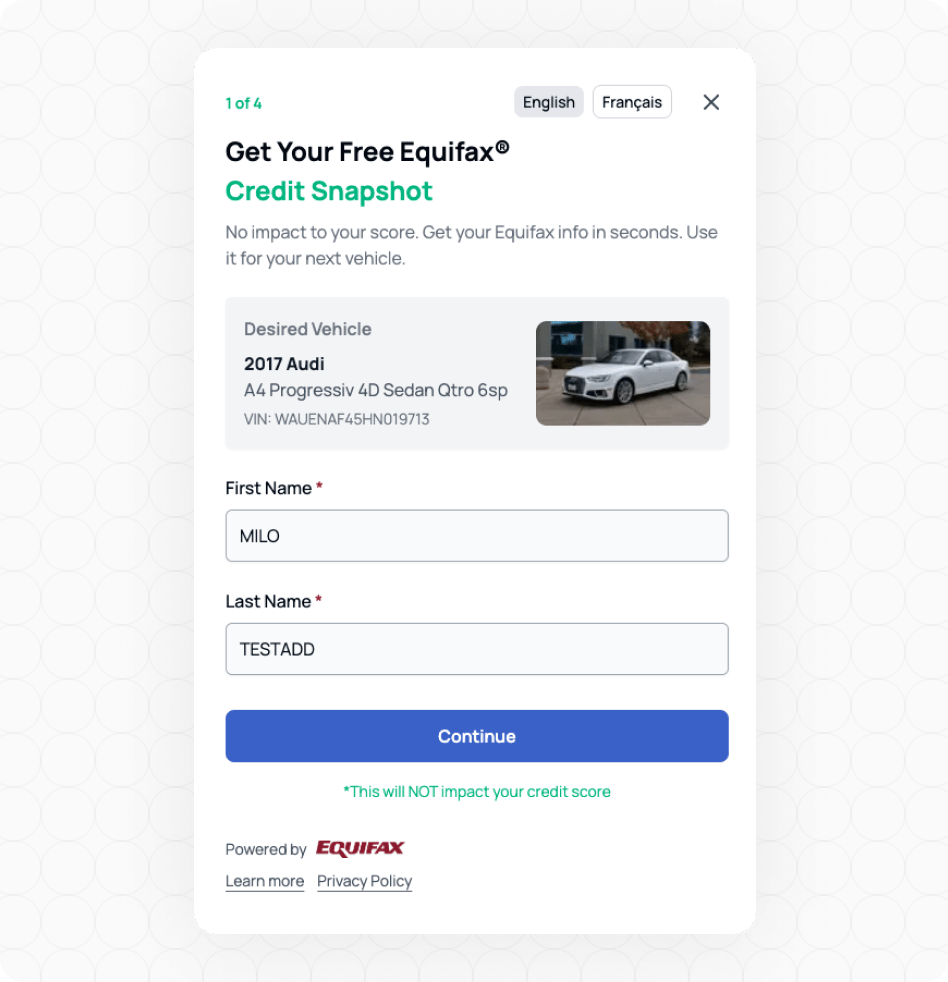
Soft-pull credit tools like AVA™ Credit can help create a smoother experience by allowing customers to understand their credit profile without impacting their score.
This helps:
- Reduce financing uncertainty
- Generate stronger leads
- Improve buyer confidence
- Start more productive conversations
For EV shoppers evaluating higher-priced inventory, early credit visibility can remove friction before it slows down the buying process.
The goal is not to pressure customers into financing conversations. It is to make the path clearer.
5. Use Video to Build Trust
EV marketing performs especially well with video.
Many questions about electric vehicles are visual and easier to explain through short content.
Consider producing:
- EV walkarounds
- Charging demonstrations
- Range discussions
- Incentive explainers
- Ownership testimonials
- Salesperson Q&A videos
Short-form content performs particularly well across:
- TikTok
- YouTube Shorts
Video helps reduce uncertainty and builds familiarity before a customer ever visits the dealership.
It also gives your sales team reusable educational assets.
6. Target the Right Audience
Not every buyer is equally likely to purchase an EV.
A strong EV marketing strategy focuses on audience targeting.
Look for signals such as:
- Previous EV or hybrid ownership
- Interest in sustainability
- High commuting mileage
- Urban or suburban lifestyles
- Technology-focused buyers
- Households researching fuel savings
Paid advertising platforms now allow dealerships to build increasingly refined audiences.
Instead of marketing every EV to everyone, focus on the customers most likely to engage.
This improves efficiency and lowers acquisition costs.
Why EV Marketing Will Matter Even More in 2026
The EV market is evolving quickly.
Inventory is growing. Consumer awareness is increasing. Competition is becoming stronger.
Dealerships that wait for buyers to educate themselves may struggle to stand out.
The stores winning in 2026 are not simply stocking EVs.
They are marketing them differently.
They educate earlier, build trust faster, and create digital experiences that match how modern buyers shop.
That is the real opportunity.
Final Thoughts
An effective EV marketing strategy is about more than promoting electric inventory.
It is about understanding how EV buyers think and building a process around their questions, concerns, and expectations.
The dealerships that succeed with EV sales will be the ones that combine strong digital marketing, educational content, and transparent financing conversations.
Electric vehicles are changing the market.
Your marketing strategy should evolve with them.