 Activix
  AutoTrader
  Black Book
  CarGurus
  Equifax
  TransUnion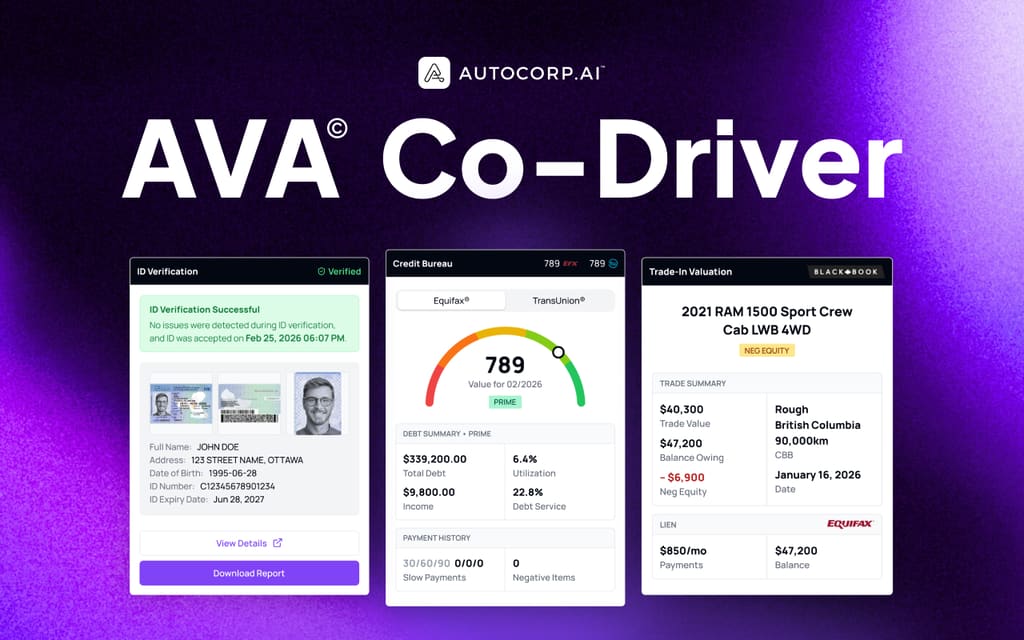



Pricing a used car is the single decision that sets everything else in motion, days to turn, gross per copy, floor plan burn, month-end. Get it right and the car sells itself. Get it wrong and the unit ages, the pack grows, and you're taking a bath on day 60 because someone anchored to a stale Black Book lookup on day one.
Most guides tell you to "watch the market." That's not a method. This is.
Below is the pricing process our team has seen work across 650+ dealerships across Canada. A live Black Book baseline, condition and recon adjustments, live comp positioning, and a repricing cadence tied to aging. Then a turn most guides skip: making one live Black Book number do three jobs instead of three disconnected guesses.
Start From a Live Black Book Value. Not a Gut Call.
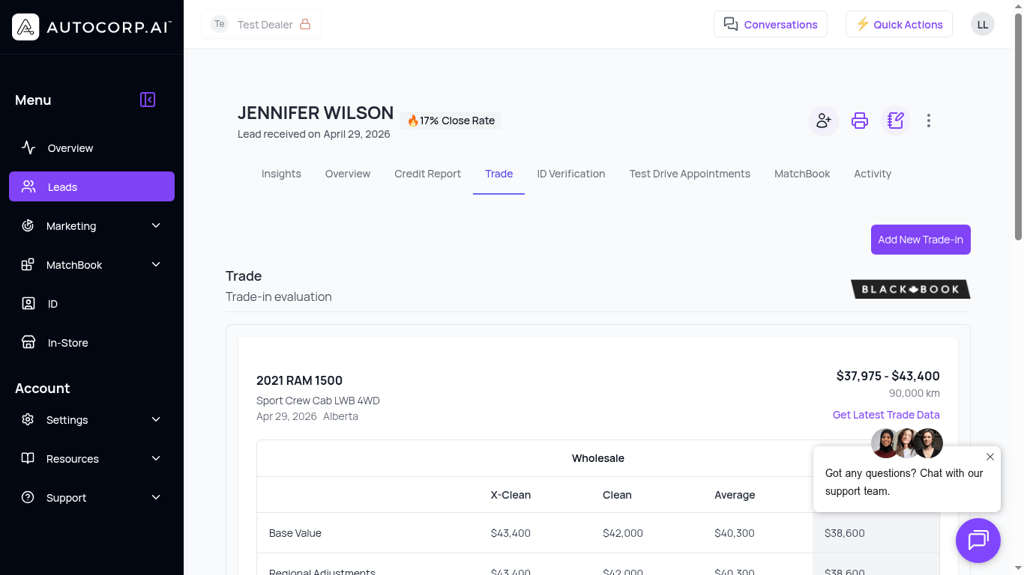
Every price starts with a defensible baseline. For Canadian dealers, that baseline is Black Book, wholesale, x-clean/clean/average, adjusted for region and mileage. Not last week's PDF. Not "what we paid for the last one." A live Black Book pull, on the VIN, on the day.
Why this matters: the villain here is the stale lookup. A used-car manager who quotes yesterday's book on today's market is quoting a car that no longer exists. Wholesale moves weekly. Regional demand moves faster.
Anchor the Black Book baseline before anyone talks about retail:
- Pull Black Book wholesale on the exact trim and mileage.
- Note the condition tier honestly — x-clean, clean, or average. Most trades are clean, not x-clean, and the difference is real money.
- Apply the regional adjustment. A Ram 1500 in Alberta is not the same car as a Ram 1500 in the GTA.
That number is your floor thinking, not your ask. But it's the number every other number in this deal should trace back to.
Adjust for Condition, Recon, and Regional Demand.
The Black Book baseline gives you the market. Your unit is not the market, it's a specific car, with a specific story, in a specific region. Adjust in this order:
Condition delta. Where does this unit actually sit vs. Black Book's clean/average tier? Be honest. Tires, brakes, interior wear, panel work — these move the number, and if you don't account for them here, recon will do it for you later at worse economics.
Recon spend. Add the true recon cost, not the shop's optimistic estimate. If a unit needs $1,800 in recon to hit clean, that money either comes out of gross or out of your ask. Pick one before the car hits the line, not after.
Regional demand. Trucks in Alberta, hybrids in Montreal, AWD in the Maritimes — regional demand shifts what "market" means. Your live Black Book pull should already apply the regional adjustment. If it doesn't, your baseline is fiction.
Floor plan clock. From the moment the unit lands, the meter runs. Bake floor plan cost into your pricing model — a $30,000 unit at prime + 2 is real money every day it sits.
Now you have a defensible internal number. Time to look outside.
Position Against Live Comps. Price to Turn or Price to Hold.
The Black Book number tells you what the car is worth. Comps tell you what buyers are willing to click on. These are two different questions and you need both.
Pull comparable units — same year, trim, mileage band, region — from the marketplaces your buyers actually shop (AutoTrader.ca, CarGurus, Kijiji, Car Pages). Count the listings. Where does yours land against the Black Book baseline you already set?
Then make a call: are you pricing this unit to turn, or pricing it to hold?
Price to turn. For volume units, high-demand trims, and anything you want gone before day 30, position roughly 3–5% below comparable listings on the top marketplaces. Not $50 below. Enough that a shopper filtering by price sees yours first. Never below your floor — the number where gross goes negative after recon, pack, and floor plan.
Price to hold. For rare trims, in-demand SUVs, and anything with a real buyer profile you can market to, hold closer to market or slightly above. Fewer clicks, but higher gross when it hits. Only do this when the aging math supports it.
The mistake most stores make is running the whole lot on one strategy. Not every unit is a hold. Not every unit is a race to the bottom. Comp positioning is a per-unit decision, made with live data, always validate against your own turn history.
Reprice on a Cadence. Weekly, Then Daily Near the Aging Threshold.
A price set on day one and left alone for 45 days is not a price. It's a wish. Every repricing pass should start with a fresh Black Book pull, not the number you set two weeks ago.
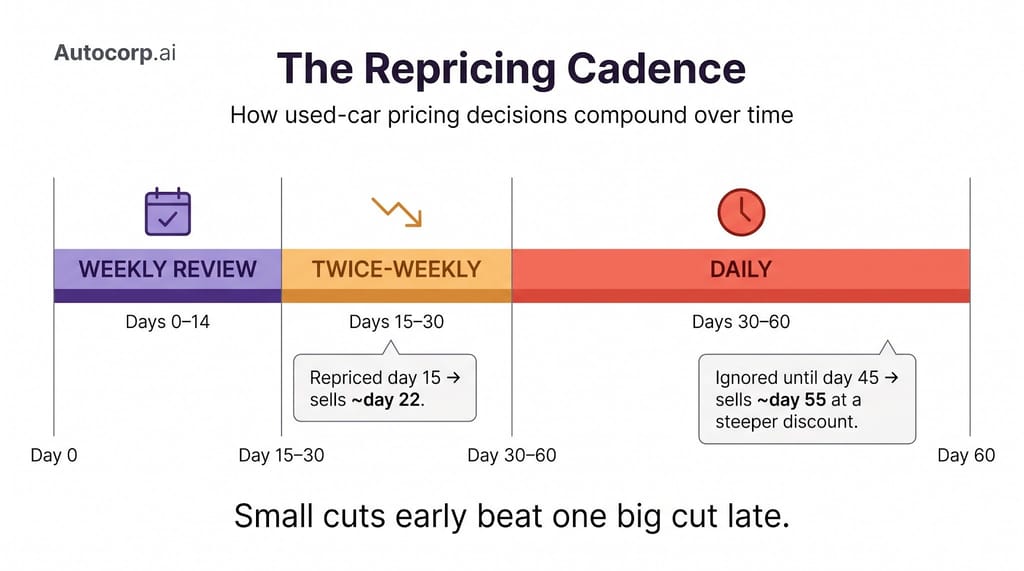
Build a repricing cadence into your week the way you build in your desk meeting:
AVA® vous dit qui est prêt à acheter avant même que votre équipe lève le petit doigt. Voyez le flux.
Réserver une démo →- Days 0–14. Weekly review. Refresh the Black Book number. Confirm comps haven't moved. Confirm the unit is being clicked and shown.
- Days 15–30. Twice-weekly. This is the window where aging risk starts to compound. A unit repriced on day 15 tends to sell by roughly day 22. A unit that gets ignored until day 45 usually sells by day 55 — but at a much steeper discount, because now you're chasing the market instead of setting it.
- Days 30+. Daily. Every day past your aging threshold costs floor plan and blocks the space a fresher unit could earn. At this point you're not "protecting gross." You're paying to store a car.
The math is unforgiving. Small, early cuts almost always beat one big cut on day 50. The dealers who consistently hit turn targets aren't smarter — they just reprice sooner, off a fresher Black Book number.
The Turn Most Guides Skip: One Number, Three Jobs.
Here's where most pricing guides stop. And here's where the money is.
Every store runs three separate valuation motions, usually with three different data sets:
- Pricing the car on the lot — often a book pull plus a comp scan.
- Valuing the customer's trade — often a different tool, or worse, a manager's gut number scribbled on a deal sheet.
- Finding equity in the owner base — usually not happening at all, or happening as an annual spreadsheet exercise.
Three questions. Three tools. Three answers. All slightly out of sync. The retail price on your website says one thing about a 2021 RAM 1500. The trade offer for a customer bringing in the same truck says something different. The equity report for last year's buyers uses a third number. That's not a pricing strategy, it's three guesses in a trench coat.
The fix is boring and powerful: one live Black Book number, three jobs. When your inventory pricing, your customer-facing trade tool, and your equity-mining list all pull from the same live Black Book feed, they stop contradicting each other. The dealer, the customer, and the marketing engine are all looking at the same market. That's when trust and speed compound.
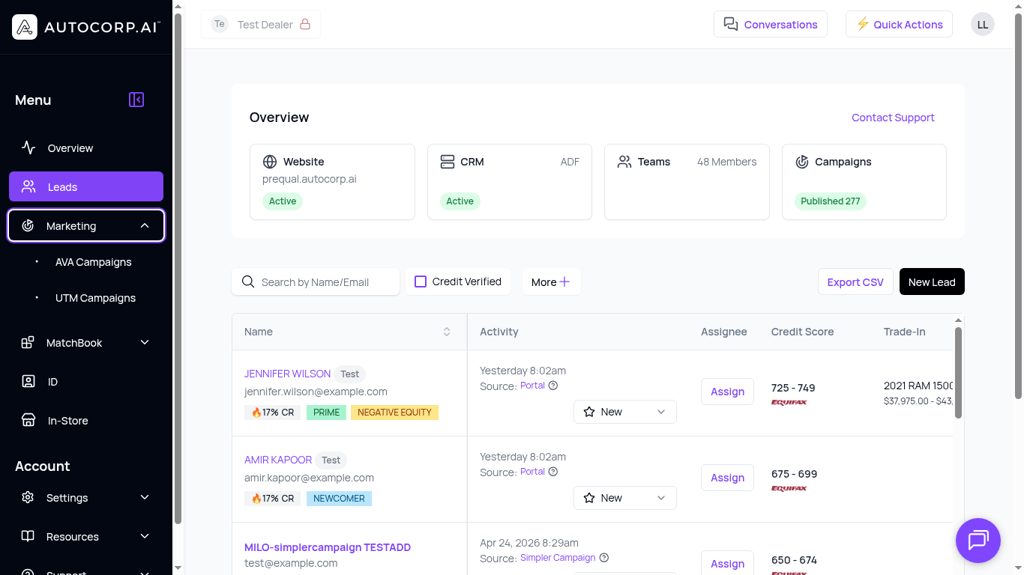
How AVA® Trade Brings This Together.
This is where AVA® Trade fits, not as inventory management, not as a CRM, but as the live Canadian Black Book feed that powers the three jobs at once.
Your team prices from it. Managers pull the same live Black Book valuation — wholesale, x-clean/clean/average, regional adjustment — on the vehicles they're pricing and the trades they're appraising. Same data set. Same day. No stale PDFs.
The customer sees it on the trade widget. When a shopper lands on your site and asks "what's my truck worth," the AVA trade widget returns a real range from the same Black Book pull. As one dealer put it, it delivers the "stomach punch of what the trade is" — the honest number, upfront, before the customer has fallen in love with a $65,000 replacement they can't afford. That honesty is what makes the trade tool convert. From the Barrie dealership review: "trade-in leads have more than doubled." Another dealer noted the trade tool typically pulls more leads than the credit tool on their site.
You mine the book for equity. Every customer already in your DMS has a Black Book value that moves every week. When your equity-mining SMS campaigns run off the same live feed, you can surface real positive-equity conversations at the right moment — the trade-up call your BDC should be making, backed by a number that's actually current. That's the pipeline re-engagement most stores leave on the table.
Three jobs. One live Black Book number. The trade tool is designed to run without per-valuation friction, and the customer-facing range is adjustable so what shoppers see aligns with how you actually buy trades.
What This Changes on the Floor.
- Days to turn tighten because you're repricing off a live Black Book number, not last month's report.
- Gross holds because you're never below floor and you're taking small cuts early instead of big cuts late.
- Trade close rate climbs because the number the customer saw online matches the number you present at the desk.
- Equity conversations start earlier because you know which owners in your base are sitting on positive equity today, not last quarter.
Right data. Right person. Right time. That's the whole game.
Black Book Pricing FAQ.
What does Black Book actually measure?
Black Book publishes wholesale valuations — what the vehicle is worth in the wholesale market, tiered by condition (x-clean, clean, average) and adjusted for region and mileage. It's the wholesale baseline your retail price and your trade offer should both trace back to. Retail asking prices you see on marketplaces are a separate signal (comps), not the same thing as book value.
How often should we pull a fresh Black Book number?
Every repricing pass, at minimum. Wholesale moves weekly and regional demand can shift faster. In practice: pull on intake, pull weekly for days 0–14, twice-weekly through days 15–30, and daily past your aging threshold. If your customer-facing trade widget is running off a live Black Book feed, that number refreshes on its own — you're not managing spreadsheets, you're managing the exceptions.
Does book value tell us the retail price?
No. Black Book tells you the wholesale market. Retail comes from combining that baseline with your condition/recon adjustments and where live comps are sitting in your region. Book value sets the floor thinking. Comps set the ask.
What's the difference between x-clean, clean, and average?
Condition tiers, and the gap between them is real money. Most trades that walk in the door are clean, not x-clean. Being honest about the tier is what keeps recon from eating the deal on the back end.
See AVA® Trade Live.
If you want to see how one live Black Book feed can price your inventory, value trades on your website, and surface equity across your owner base — from the same data — book a walkthrough of AVA® Trade. Bring three aging units and a trade you appraised last week. We'll price them together.
Autocorp.ai is trusted by 650+ dealerships across Canada. Explore integrations — including PBS, ADF, AutoTrader.ca, CarGurus, Kijiji, and more.