Summer is one of the busiest seasons in automotive retail. Warmer weather, road trips, and mid-year buying cycles bring more shoppers into the market, but more traffic doesn’t automatically mean more deals.
The dealerships that win during the summer months aren’t just the ones generating the most leads. They’re the ones prepared to handle increased volume efficiently, qualify buyers earlier, and create a smooth, fast buying experience.
If you want to make the most of Summer 2026, preparation starts now.
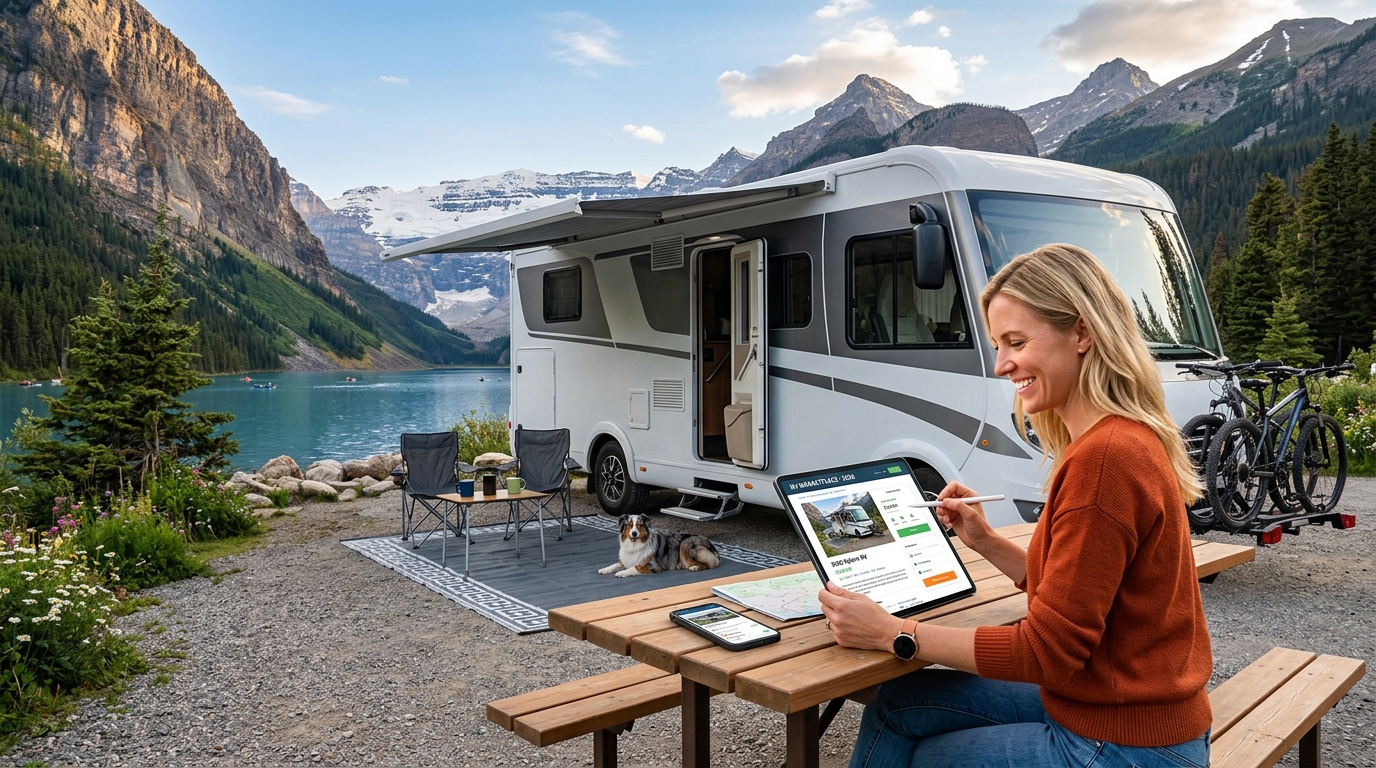
Summer buyers tend to be more motivated. Many are shopping with a timeline in mind, whether it’s for vacations, family needs, or upgrading before the fall.
That means less browsing and more intent to buy.
Make sure your team is ready by:
The more your inventory reflects what customers are actively looking for, the easier it is to convert traffic into sales.
More leads during the summer can quickly overwhelm a team if there’s no clear process in place.
Response time, follow-up quality, and prioritization all become more important as volume increases.
Focus on:
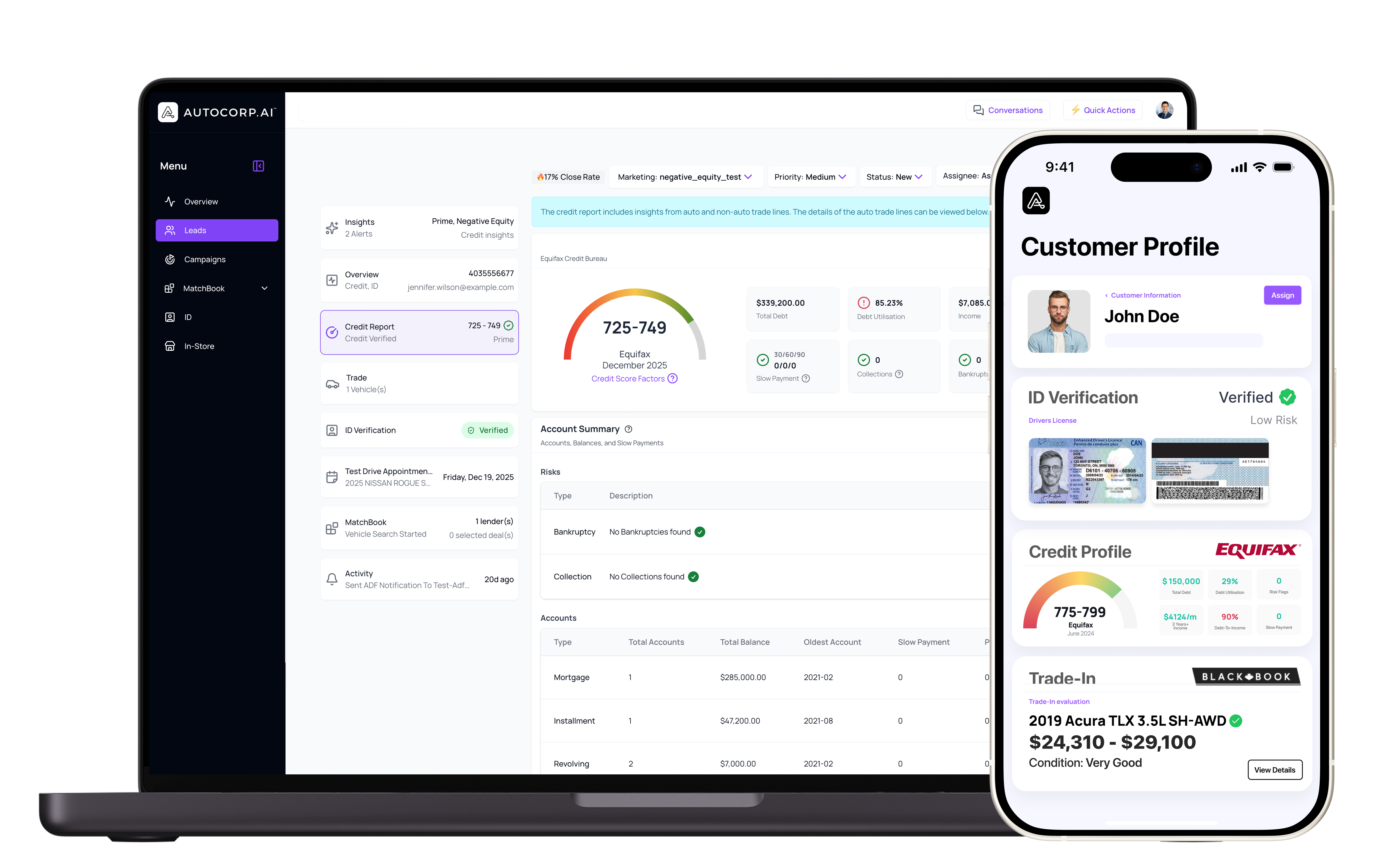
This is also where qualifying leads earlier can make a major difference. Tools like AVA™ Credit allow customers to check their credit profile upfront without impacting their score, giving your team better visibility into who’s ready to buy.
When your team knows which leads are serious, they can spend more time closing deals and less time chasing unqualified opportunities.
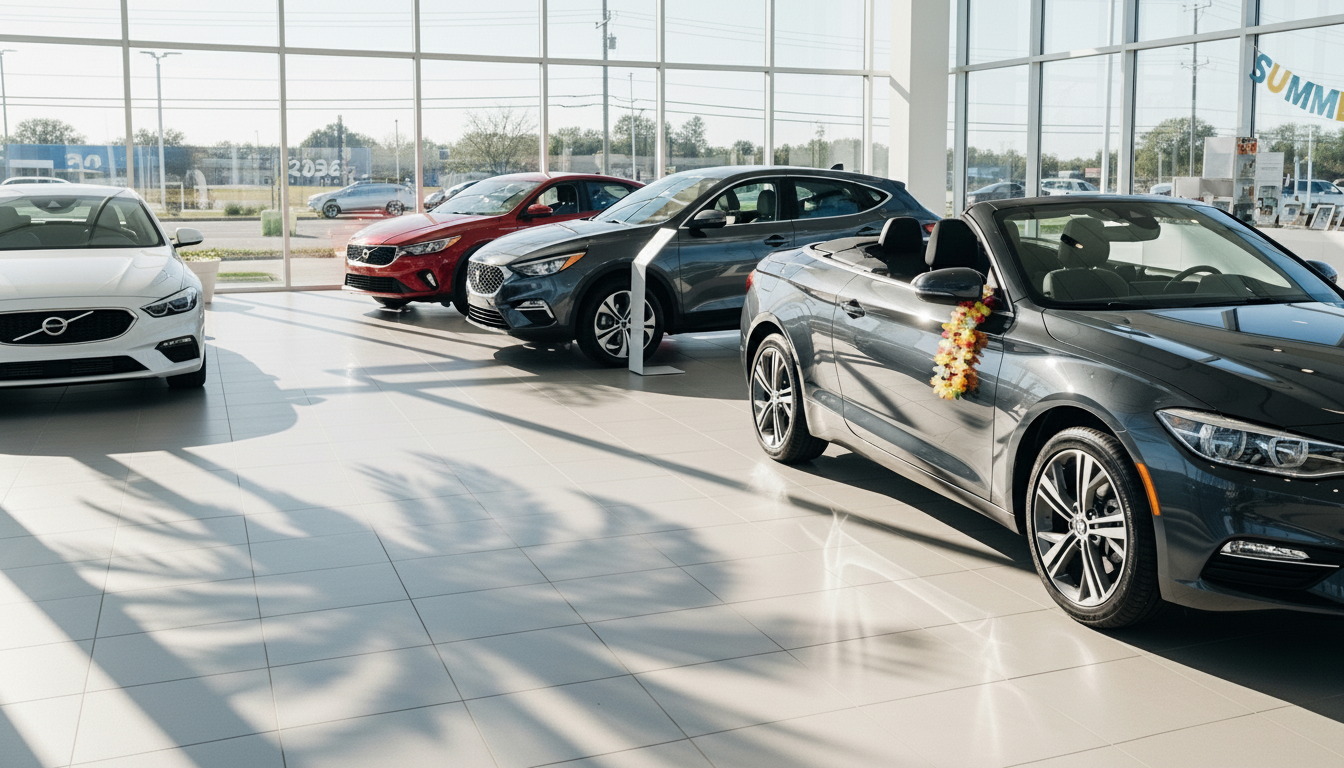
Summer shoppers don’t want to spend hours at the dealership. Many have already done their research online and expect a quick, straightforward process when they arrive.
If your in-store experience feels slow or disorganized, you risk losing momentum.
Look at ways to streamline:
Even small delays can add friction. The goal is to keep the process moving without sacrificing transparency or customer experience.
One of the biggest inefficiencies in the dealership process is waiting too long to understand whether a deal is viable.
By the time a customer reaches the desk or F&I, critical information like credit and identity should already be clear.
Introducing tools like VeriDrive early in the process can help:
This not only protects your dealership but also speeds up the entire buying journey. When both the customer and the dealership have clarity upfront, conversations become more productive and deals move faster.
Summer campaigns often focus on driving as much traffic as possible, but traffic alone doesn’t guarantee results.
Instead, shift your focus toward attracting qualified buyers.
This means:
When marketing and sales are aligned around buyer intent, your dealership sees better conversion rates and less wasted effort.
Increased traffic can expose gaps in your sales process. Without proper training, teams can fall back into bad habits, skipping steps or rushing conversations.
Before the summer rush hits, take time to:
Confidence and consistency are key. A well-prepared team is better equipped to handle busy periods without sacrificing quality.
If you're bringing on new salespeople for the summer, factor in certification time. In Ontario, anyone selling vehicles needs to pass the OMVIC exam first, and rushing through that prep is one of the easiest ways to delay onboarding. Resources like DealerPrep.ca can help new hires get exam-ready faster so they're on the floor when traffic peaks.
Today’s buyers are more informed than ever. They expect clear pricing, honest communication, and a process that respects their time.
Dealerships that prioritize transparency tend to see:
Providing upfront information about pricing, trade values, and financing builds trust early and reduces friction later in the deal.
Before summer arrives, take a step back and evaluate how your dealership operates today.
Ask yourself:
Often, the biggest opportunities come from small improvements. Eliminating just one or two bottlenecks can significantly increase your team’s efficiency during peak months.
Summer 2026 presents a major opportunity for dealerships, but only for those prepared to handle it.
More traffic, more leads, and more showroom visits are all positive signs, but they also bring added pressure on your process. The dealerships that succeed will be the ones that operate efficiently, qualify buyers earlier, and remove friction wherever possible.
By tightening your workflow, aligning your team, and using tools that provide better visibility into your customers, you can turn seasonal demand into real, measurable growth.