

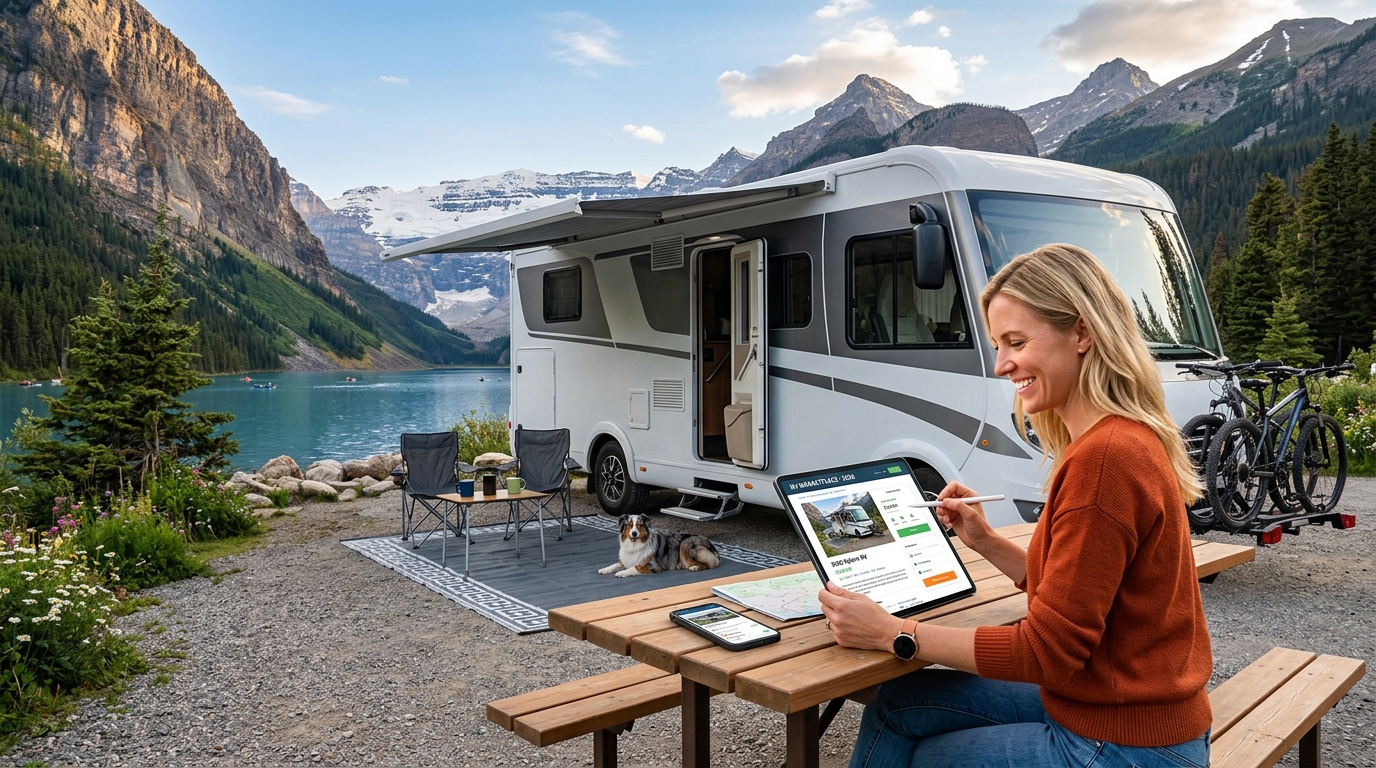
The RV buying journey has changed dramatically over the last few years. Today’s customers don’t start by walking into a dealership. They start online.
Before speaking to a salesperson, most RV shoppers have already compared pricing, watched walkthrough videos, researched financing options, and narrowed down the type of RV they want. By the time they submit a lead form, they expect quick answers, transparent information, and a buying process that feels simple.
For RV dealers, that shift creates both challenges and opportunities. The dealerships that adapt to modern online buying behaviour are seeing stronger lead quality, faster response times, and higher closing ratios.
Here are some of the best practices RV dealers should focus on in 2026 to improve online sales performance and create a better customer experience.
For many buyers, your website is their first impression of your dealership. If your inventory pages are outdated, difficult to navigate, or missing information, customers may never contact your team at all.
In 2026, RV shoppers expect a seamless online experience that helps them research confidently before making a decision.
Your website should include:
The easier it is for customers to explore inventory online, the more likely they are to engage with your dealership.
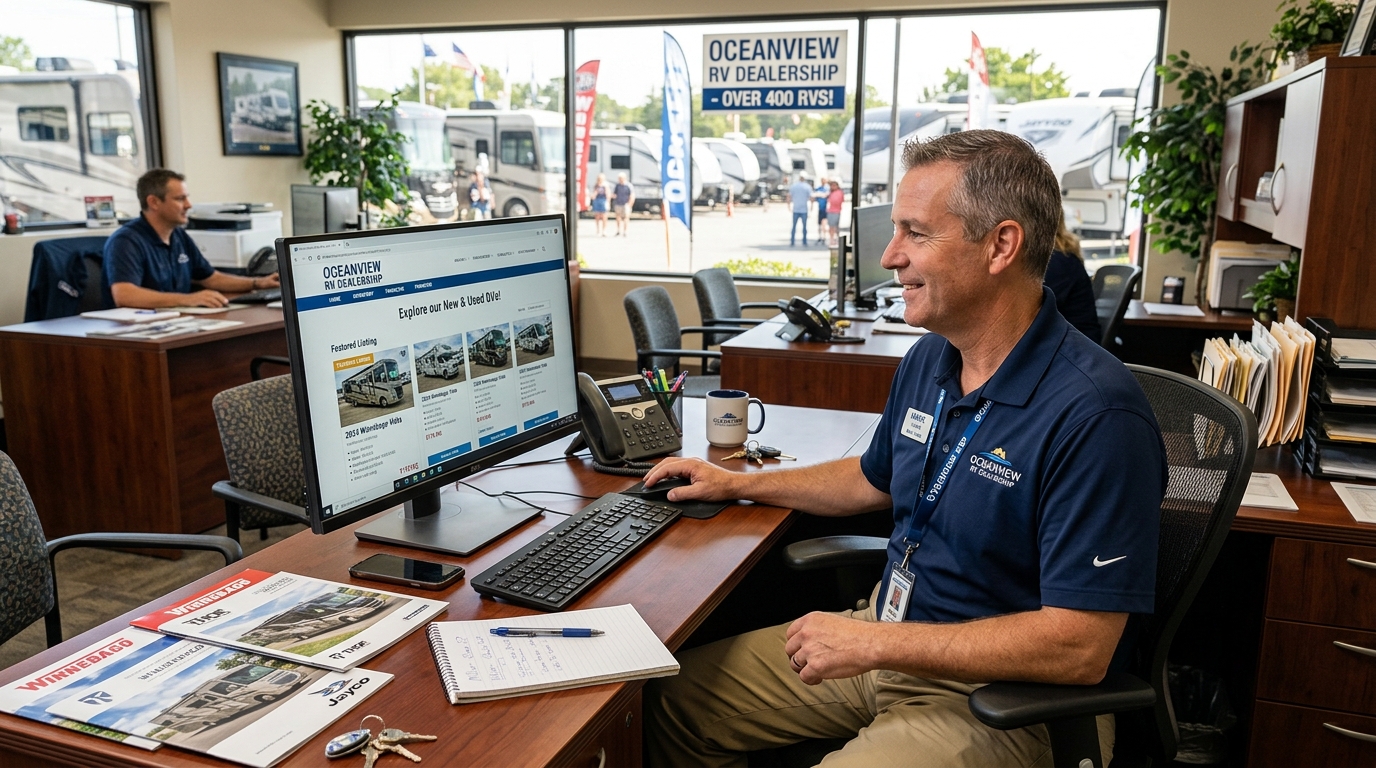
Online shoppers move quickly. If a customer submits a lead form and waits hours for a response, there’s a good chance they’ve already contacted another dealership.
RV dealerships should focus on reducing lead response times across all channels, including:
Even a simple confirmation message or quick follow-up can make a major difference in keeping a customer engaged.
The dealerships winning online are often the ones responding first.
One of the biggest challenges for RV dealers is spending time with buyers who may not actually qualify for financing.
Unlike smaller purchases, RV buying decisions are heavily tied to affordability and financing. That’s why more dealerships are moving the qualification process earlier into the online journey.
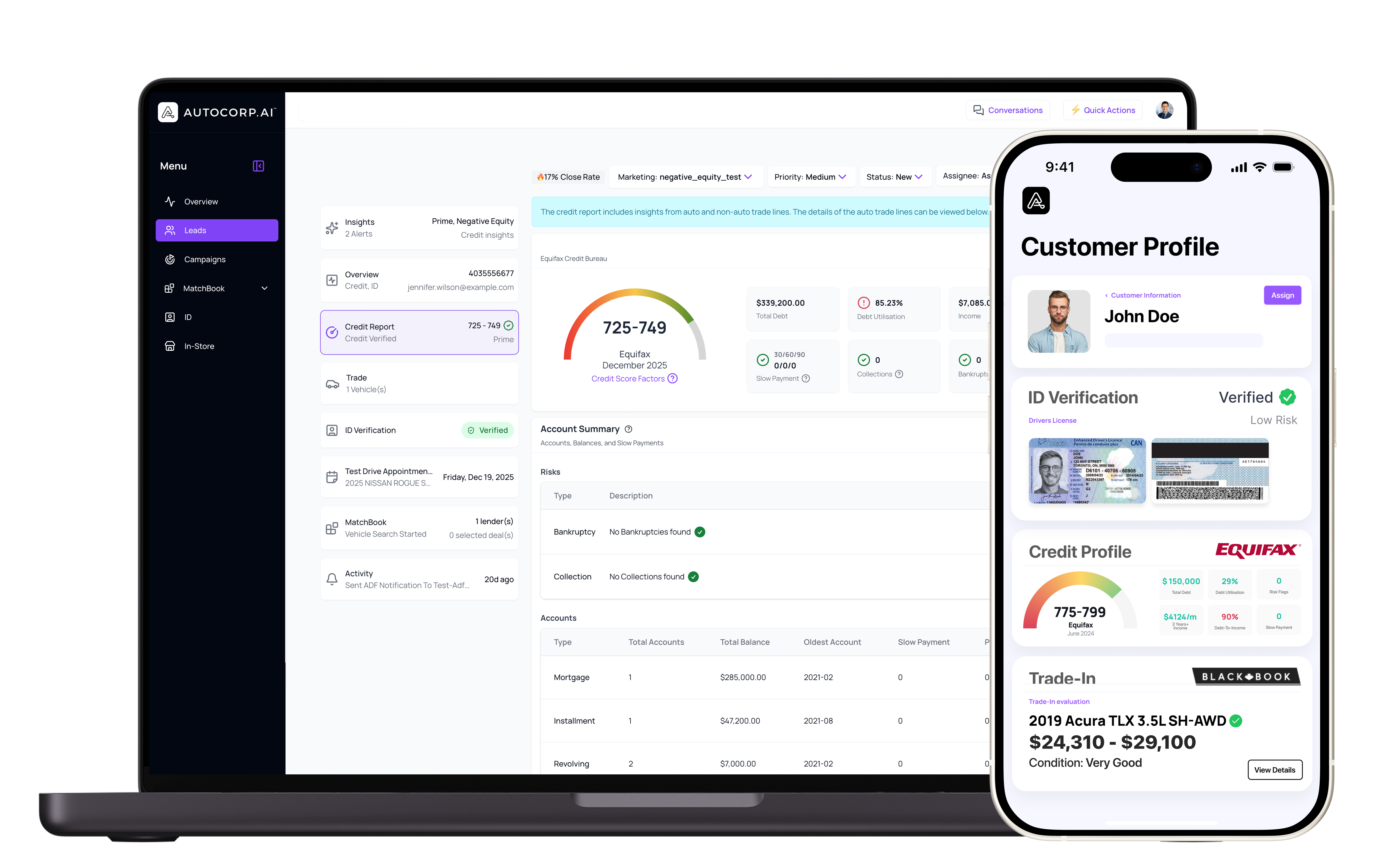
Tools like AVA™ Credit allow customers to complete a soft credit check directly from the dealership website with no impact to their credit score.
This helps dealerships:
Instead of spending multiple calls trying to determine affordability, sales teams can focus on helping buyers find RVs that realistically fit their budget.
That creates a better experience for both the customer and the dealership.
Financing is one of the most important parts of the RV buying journey, yet many dealership websites still treat it as a separate step.
Modern RV shoppers want answers before they visit the dealership. They want to understand:
When dealerships provide financing tools earlier in the process, customers feel more confident moving forward.
Adding soft-pull credit tools like AVA™ Credit can help remove uncertainty while giving your team stronger insight into each lead.
In many cases, customers are more comfortable submitting a soft credit check online than discussing finances in person during their first interaction.
RV purchases are emotional. Customers are imagining road trips, family vacations, and outdoor experiences while browsing inventory online.
Strong inventory merchandising helps create that emotional connection.
Best practices include:
The goal is to help buyers visualize ownership before they ever arrive at the dealership.
Poor inventory presentation creates friction and uncertainty. Strong merchandising builds confidence.
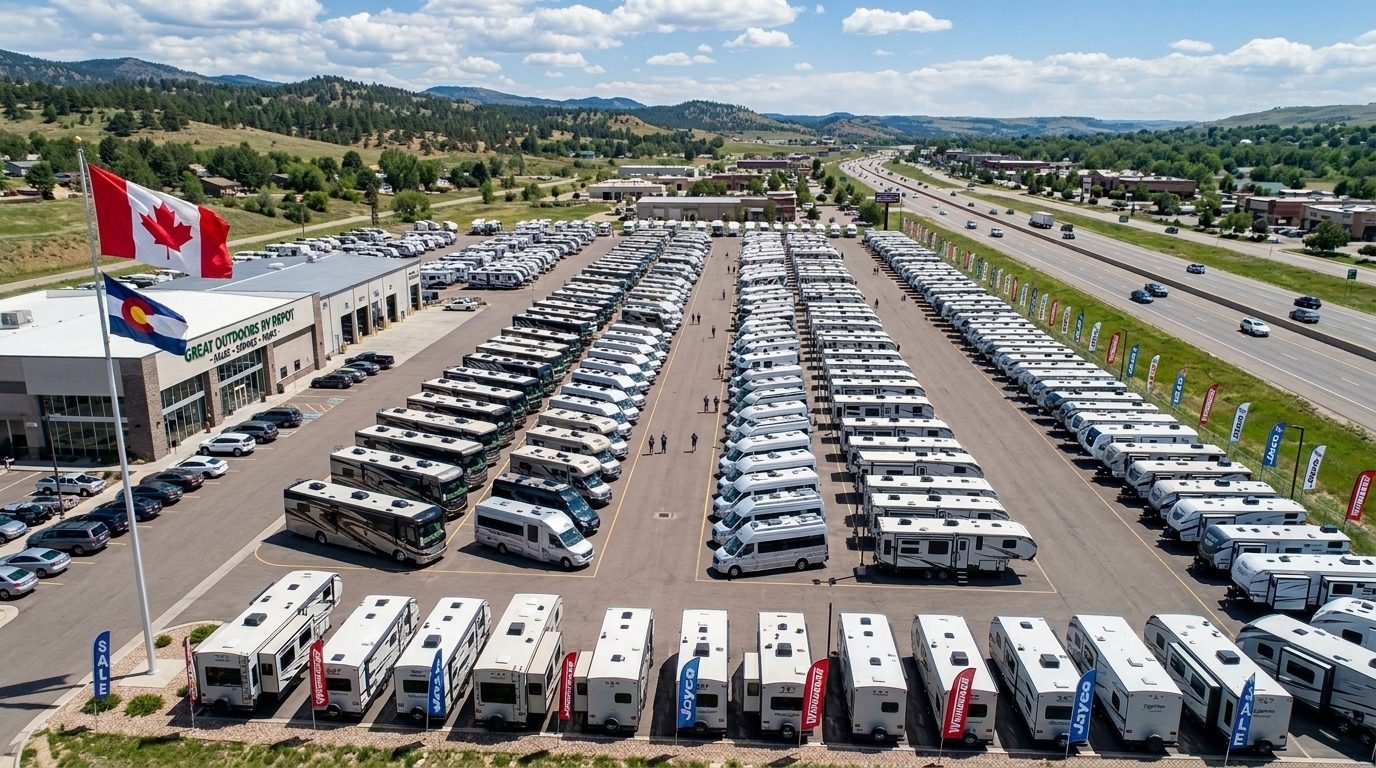
Trust has become one of the most important factors in online vehicle sales.
Customers want transparency around:
Dealerships that provide clearer information online often see stronger engagement and fewer abandoned leads.
This is especially important in the RV industry, where purchase prices are higher and buying decisions take longer.
The more transparent your process feels, the more likely customers are to continue through the buying journey with your dealership.
Generating traffic is important, but lead quality matters more.
A smaller number of highly qualified buyers will always outperform a large list of low-intent inquiries.
That’s why more RV dealerships are focusing on tools and processes that improve lead intent signals earlier in the funnel.
When a customer completes a credit check, requests financing information, or engages deeply with inventory, your team gains valuable insight into their seriousness as a buyer.
This helps sales teams prioritize their time more effectively and close more deals with fewer wasted conversations.
The RV buying journey in 2026 starts online long before a customer walks into a dealership.
The dealerships succeeding in this environment are the ones creating faster, more transparent, and more personalized online experiences. They’re qualifying buyers earlier, improving lead response times, and helping customers feel confident throughout the process.
Technology alone isn’t the solution, but the right tools can remove friction and help your team work more efficiently.
For RV dealers looking to improve online lead quality and create stronger buying experiences, solutions like AVA™ Credit are helping modernize the path from online inquiry to completed sale.

.jpg)