 Activix
  AutoTrader
  Black Book
  CarGurus
  Equifax
  TransUnion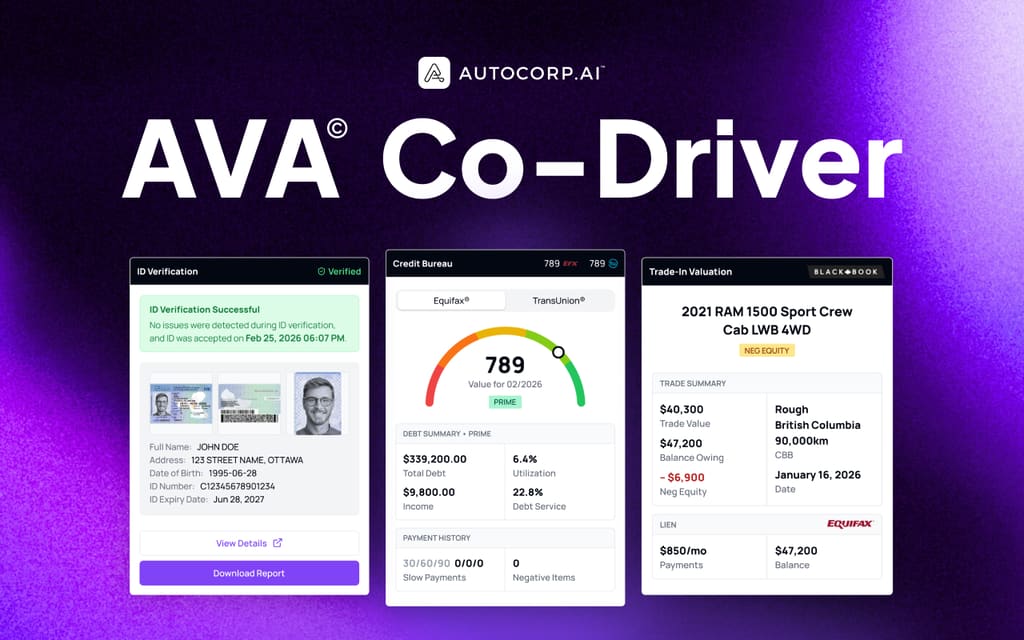


Success in car sales doesn’t come from luck—it’s all about sharpening the right skills. Whether you're new to the world of car dealerships or a seasoned pro, continuous improvement is what separates the good from the great. Selling cars isn’t just about pushing products; it’s about creating trust, building connections, and understanding the needs of your buyers. Let’s talk about how mastering specific skills can boost your sales game.
Key Takeaways
- Car sales success comes from repeatable skills, product knowledge, clear communication, and consistent follow-up.
- Strong product knowledge means linking features to buyer benefits (for example, fuel economy equals lower weekly costs).
- Active listening and simple, open-ended questions help you match the right vehicle to the buyer’s needs.
- Objections are easier to handle when you validate the concern, then offer a clear next step (payment breakdowns, incentives, options).
- Post-sale follow-up and loyalty offers increase referrals and repeat business at the dealership.
Mastering the Basics: Building a Strong Foundation
Every car salesperson needs a rock-solid foundation to thrive in a competitive market. Setting up a great sales foundation is like prepping a gourmet meal—you need the right ingredients before you start cooking.
Product Knowledge: Know Your Inventory Inside and Out
If you don’t know what you’re selling, how will others believe in it? A solid understanding of your inventory, from car features to their benefits, is non-negotiable. For instance, instead of saying, “This car has great mileage,” explain how it saves the buyer money over time. Keeping updated on new models can feel overwhelming but there are resources like Dealership Sales Training Online to simplify the process.
Effective Communication: Building Rapport with Buyers
Imagine this: you're explaining the latest SUV, but the buyer is nodding politely, clearly disinterested. What went wrong? Maybe you weren’t listening. Active listening and persuasive communication are the backbone of building trust. Learn the buyer’s name and sprinkle it in conversations to humanize the interaction. If you need inspiration, check out these 18 Tips on How to Be a Good Car Salesperson.
Understanding Customer Needs: Asking the Right Questions
Do you know what keeps buyers interested? Feeling heard. Start with open-ended questions like, “What features are most important to you?” or, “What do you want out of your car buying experience?” This approach opens doors to tailored suggestions, ensuring they aren't overwhelmed with unnecessary details.

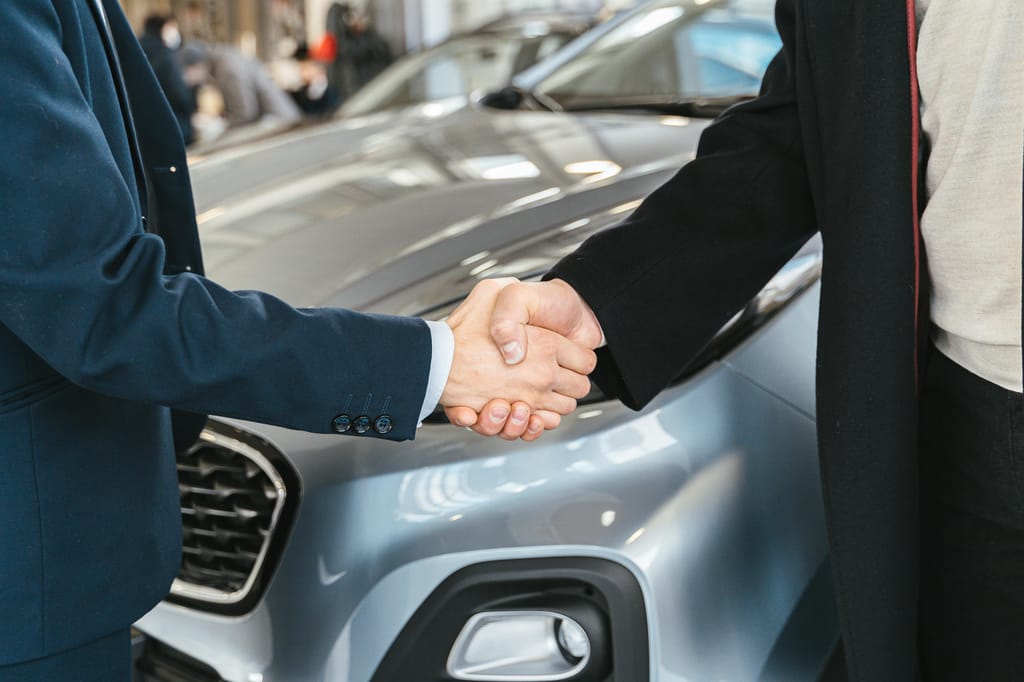
Photo by Antoni Shkraba
Advanced Sales Techniques for Closing the Deal
The hardest part of selling cars isn’t meeting buyers; it’s sealing the deal. This requires balancing strategy, charm, and a pinch of urgency.
Overcoming Objections Like a Pro
“It's too expensive,” or, “I need to check with my spouse.” Sound familiar? Be ready to validate their concerns while steering the conversation positively. For example, if price is their concern, break it down into relatable terms like weekly costs. Our blog on overcoming customer objections can give additional insight into handling tricky objections.
Mastering the Art of Negotiation
Negotiation isn’t about winning; it’s about ensuring both parties walk away satisfied. Before diving in, know your dealership’s limits. Armed with information about incentives and promotions, buyers are more likely to trust that you're working with them—not against them.
Creating a Sense of Urgency Without the Pushy Vibes
Selling is a blend of urgency and subtlety. Phrases like, “This is our last one in this color,” can motivate buyers without setting off alarm bells. But don’t overdo it—no one likes feeling manipulated.
Delivering Exceptional Customer Experiences at Your Car Dealership
Your job doesn’t end when the paperwork is signed. Post-sale experiences can determine whether that buyer returns or recommends your dealership.
The Power of Follow-Up: Staying on Buyers’ Radars
AVA® surfaces soft-pull credit, trade equity, and verified ID on every lead. Take the 60-second tour.
Book a demo →A thank-you message or a quick follow-up call can go a long way. Whether it’s asking about their driving experience or reminding them of upcoming service appointments, regular touchpoints build a sense of loyalty.
Building Loyalty: Turning Buyers into Repeat Customers
Transform one-time buyers into lifelong fans. Offer referral discounts, exclusive loyalty programs, or even newsletters showcasing new arrivals. These small gestures create an emotional connection, giving customers another reason to come back.
The Role of Continuous Learning in Sales Success
Good salespeople never stop learning, and that’s especially true in the ever-evolving world of car dealerships. Continuous education is like giving your career an oil change—necessary to keep things running smoothly.
Staying Updated on Industry Trends and Technology
From hybrid engines to AI integration in vehicles, staying informed on trends helps you remain relevant. Resources like Essential Car Sales Skills Every Salesperson Should Have provide great insights into the latest developments.
The Importance of Practice and Role-Playing
Sales is part skill and part confidence. Role-playing scenarios—where a co-worker acts as a tough customer—can help you refine your answers and deliver them with poise during real interactions.
Frequently Asked Questions About Sales Training for Car Salespeople
What skills do car salespeople need most?
Car salespeople need strong product knowledge, active listening, clear communication, and the ability to handle objections. They also need negotiation skills and a repeatable follow-up process after the sale. These skills help build trust and keep deals moving forward.
How can a car salesperson improve product knowledge fast?
Start by learning the top models you sell most, then map features to buyer benefits (safety, comfort, cost, and convenience). Keep a simple cheat sheet for trims, key options, and common comparisons. Stay updated as new models arrive, using training resources like Dealership Sales Training Online.
What is the best way to handle common objections in car sales?
A strong approach is: acknowledge the concern, clarify what’s driving it, then respond with a specific option. For price objections, break costs into weekly or monthly numbers and tie them to value. For timing objections, confirm decision-makers and set a clear next step (test drive, trade appraisal, or follow-up time).
How do you create urgency without sounding pushy?
Use real, verifiable reasons like limited inventory, a time-bound incentive, or a vehicle that matches a rare preference (color, trim, features). Keep the tone calm and factual. Don’t use pressure tactics, focus on helping the buyer avoid missing the option they want.
Why is follow-up important after selling a car?
Follow-up builds trust and increases repeat business, referrals, and service visits. A quick thank-you message, a check-in after a few days, and reminders for service milestones keep you top of mind. It also helps catch issues early and protects the dealership relationship.
Conclusion
Becoming a successful car salesperson doesn’t happen overnight. Mastering these skills requires time, practice, and the right resources. But when done properly, you’re not just putting keys into someone’s hand—you’re helping fulfill dreams. So, start practicing, stay curious, and take that next step to up your game in your car dealership. The road to success is waiting.