 Activix
  AutoTrader
  Black Book
  CarGurus
  Equifax
  TransUnion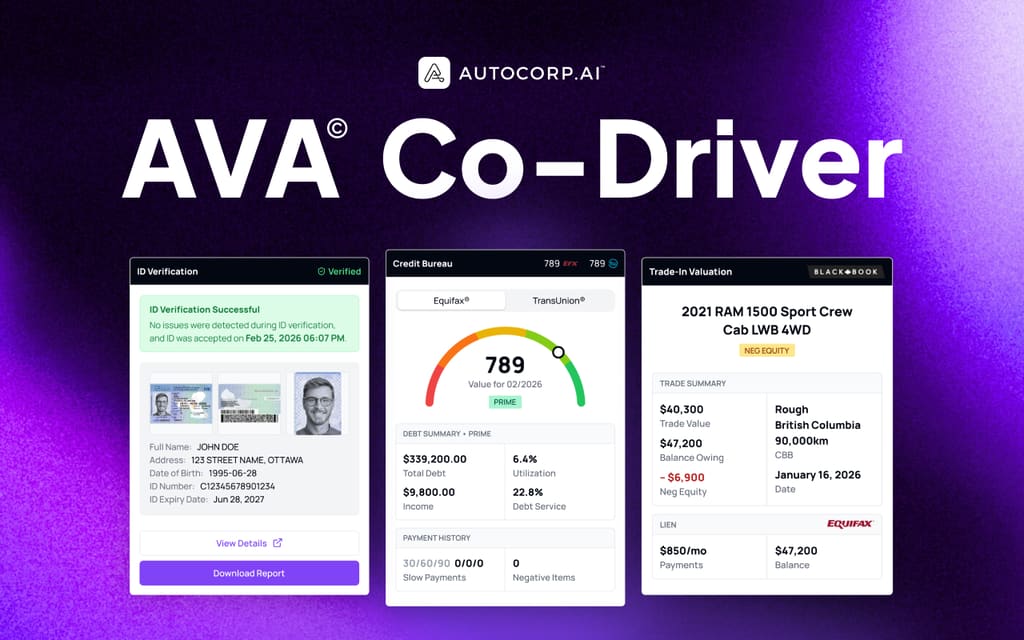

The way people shop for vehicles has fundamentally changed. Today’s car buyers spend weeks researching online before ever stepping into a dealership. They compare prices, read reviews, watch videos, and look for transparency long before they submit a lead form.
For dealerships, this means marketing is no longer just about promotions. It is about visibility, trust, and speed. The dealers winning in 2026 are the ones using modern, data-driven strategies that meet buyers where they are in their journey.
Below are seven marketing strategies every car dealer should be using to attract more traffic, generate better leads, and close more deals.
Key Takeaways
- Car dealer marketing in 2026 works best when it builds trust early, shows up in local search, and responds fast to leads.
- A dealership website should act like a lead engine with fast load times, mobile-first design, and clear actions (credit, trade-in, contact).
- Local SEO (especially an optimized Google Business Profile, reviews, photos, and accurate info) drives high-intent shoppers searching nearby.
- Helpful content and short-form video answer buyer questions early, build confidence, and increase organic traffic and conversions.
- AI tools and automated email plus SMS follow-up improve speed, lead quality, and close rates without adding headcount.
1. Treat Your Website Like a Lead Engine, Not a Brochure
Your website is no longer a digital flyer. It is your most important salesperson.
A high-performing dealer website should load quickly, work flawlessly on mobile, and guide shoppers toward clear next steps. This includes credit tools, trade-in options, and easy contact forms.
Adding tools like AVA™ Credit helps turn casual visitors into credit-qualified leads by allowing shoppers to check their real Equifax score without impacting their credit. This removes friction for buyers who want to understand their financing options early and delivers higher-intent leads to your sales team.

2. Dominate Local Search Results
When shoppers search “car dealership near me” or “used SUVs in my city,” Google decides who shows up first.
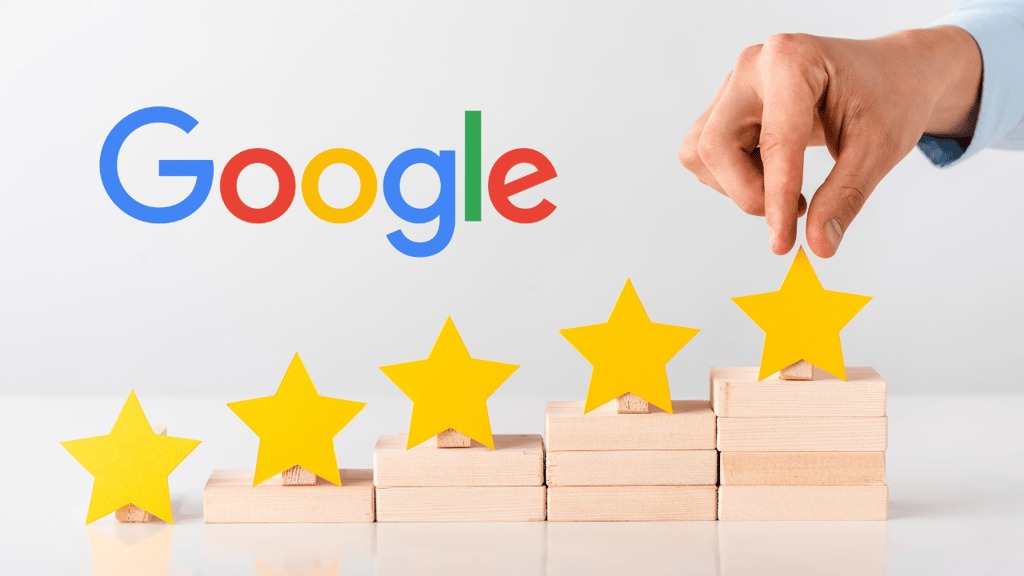
To stay competitive, dealers need to focus on local SEO by optimizing their Google Business Profile, maintaining accurate business information, and publishing location-relevant content.
Regularly posting photos, responding to reviews, and keeping hours and inventory details updated signals trust to both Google and shoppers. Local search visibility often drives higher-quality traffic than paid ads because buyers are actively looking.
3. Use Content to Answer Buyer Questions Before They Ask
Buyers are researching long before they submit a lead. Dealers who provide helpful content earn trust earlier in the process.
Blogs, videos, and guides that explain financing, trade-ins, EV ownership, and car buying tips attract organic traffic and position your dealership as a helpful authority.
Examples of high-performing content topics include:
- How car financing works in Canada
- What affects your trade-in value
- New vs used vehicle comparisons
- What credit score you need to finance a car
This type of content supports SEO, keeps shoppers on your site longer, and improves conversion rates.
4. Invest in Short Form Video Marketing
Video is no longer optional for dealerships.
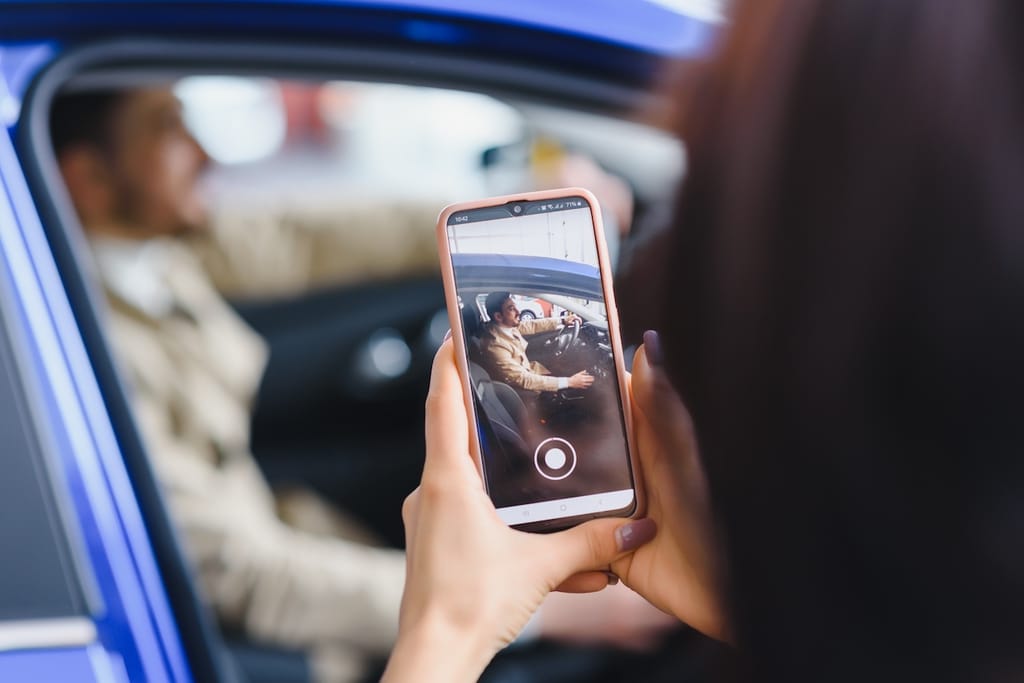
Short videos showcasing inventory, walkarounds, payment options, and behind-the-scenes moments perform extremely well on platforms like Instagram, TikTok, and YouTube Shorts.
These videos do not need to be overproduced. Authentic, informative clips filmed on your lot often perform better than polished ads. Video builds familiarity and trust, making buyers more comfortable reaching out when they are ready.
5. Capture High Intent Leads With Trade In Tools
Trade-in shoppers are some of the most valuable leads a dealership can generate.
Using a tool like AVA™ Trade, powered by Canadian Black Book, allows buyers to receive instant, market-aligned trade-in values online. This transparency builds confidence and motivates shoppers to continue their purchase journey with your dealership.
AVA® converts your website and campaign traffic into buyers with real credit intent. Walk through it.
Book a demo →Trade-in tools also help dealers acquire quality used inventory while generating leads at the same time, making them one of the strongest marketing investments available.
6. Use Email and SMS Together, Not Separately
Email and text messaging work best when used together strategically.
Email is ideal for sharing detailed information, promotions, and educational content. SMS is best for quick follow ups, appointment confirmations, and reminders.
By segmenting your audience and automating communication based on shopper behavior, dealerships can stay top of mind without overwhelming buyers. Personalization is key, generic blasts no longer perform in 2026.
7. Embrace AI to Improve Speed and Follow Up
Speed still wins deals.
AI-powered tools help dealerships respond to leads instantly, qualify shoppers faster, and route the right opportunities to the right team members.
Tools like AVA™ Credit not only generate credit-qualified leads but also help sales teams prioritize buyers who are financially ready to move forward. AI driven workflows reduce response times, improve consistency, and increase close rates without adding headcount.
Frequently Asked Questions About Car Dealership Marketing
What are the most effective car dealership marketing strategies?
The strongest mix is a high-converting website, local SEO, helpful content, short-form video, trade-in and credit tools, and fast follow-up powered by automation and AI. These strategies work together to bring in higher-intent traffic, turn visits into leads, and help your team respond faster.
Why is local SEO so important for car dealerships?
Local SEO helps you show up when buyers search terms like “car dealership near me” or “used SUVs in my city.” Keeping your Google Business Profile updated (hours, photos, reviews, inventory details, and business info) signals trust to Google and shoppers, and it often brings in higher-quality traffic than ads.
What type of content should a dealership publish to get more organic leads?
Publish content that answers real buyer questions, especially about financing, trade-ins, EV ownership, and new vs used decisions. Examples from the article include topics like how car financing works in Canada, what affects trade-in value, and what credit score you need to finance a car.
Do short-form videos actually help sell cars?
Yes. Short videos like inventory walkarounds, payment option explainers, and behind-the-scenes clips perform well on Instagram, TikTok, and YouTube Shorts. Simple, clear videos filmed on the lot often work better than polished ads because they build familiarity and trust.
How should dealerships use email and SMS without annoying shoppers?
Use email for longer info (promos, education, inventory highlights) and SMS for quick follow-ups (confirmations, reminders, short updates). Segment your list and automate messages based on shopper behaviour, then personalize instead of sending generic blasts.
Final Thoughts
Marketing in 2026 is about more than visibility. It is about creating a seamless, trustworthy experience from the first click to the final signature.
Dealerships that invest in SEO, video, local search, smart lead tools, and AI powered automation will consistently outperform those relying on outdated tactics.
The takeaway is simple. Modern marketing creates better buyers, better conversations, and better results.