 Activix
  AutoTrader
  Black Book
  CarGurus
  Equifax
  TransUnion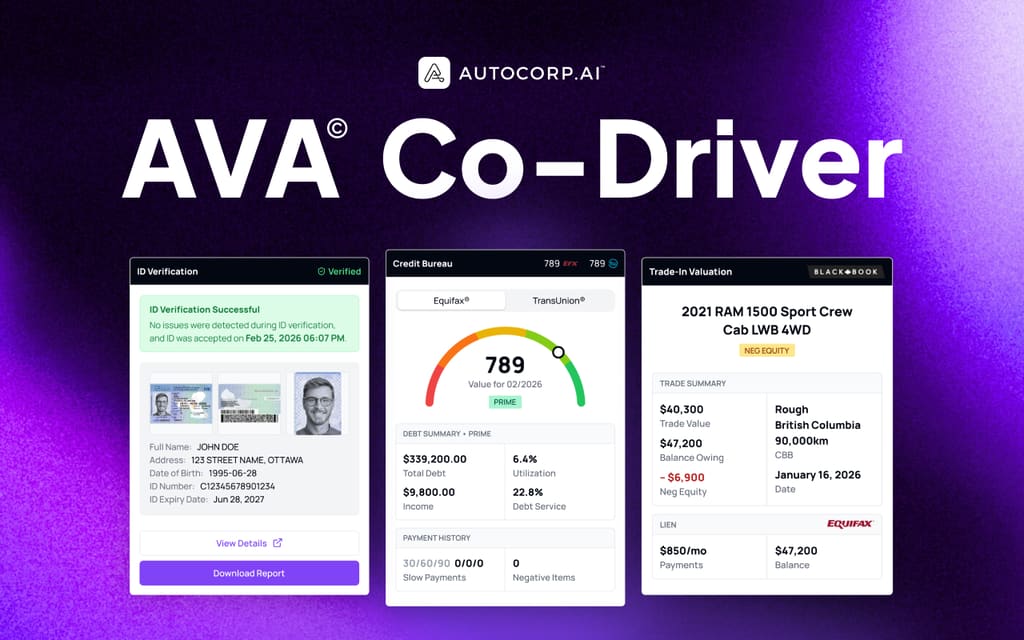

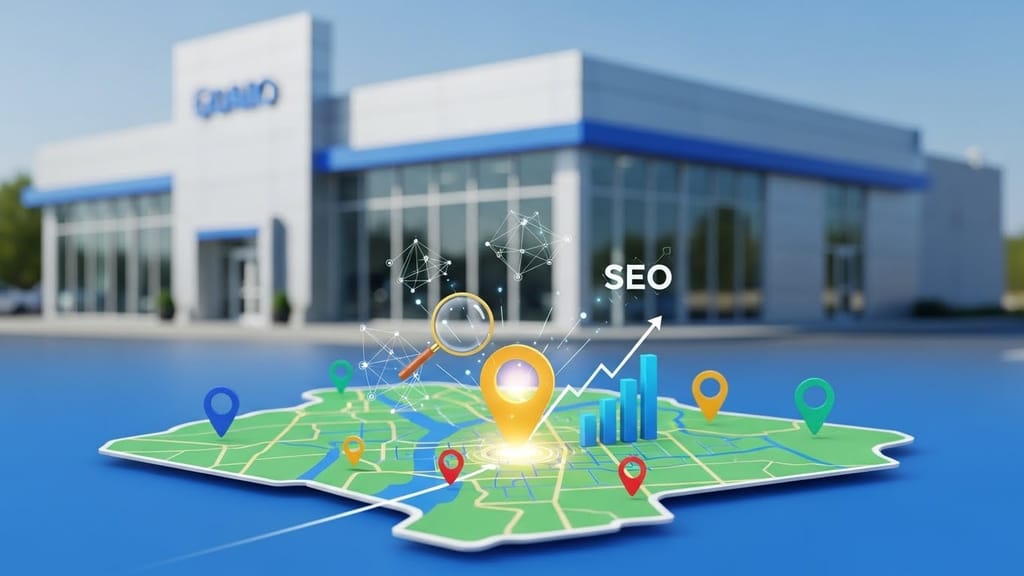
Local SEO competition in auto retail has never been stronger. Customers now begin their car buying journey online, often through a simple search like “dealerships near me” or “Toyota dealer in my area.” If your store is not the first option they see, you are losing leads to competitors who are investing in smarter digital strategies. This is where local SEO becomes essential.
Local SEO for dealerships is the practice of optimizing your online presence so your store appears in the top results for relevant searches in your geographic area. It combines website optimization, Google Business Profile management, reputation building, and ongoing local search signals that help Google understand why your dealership deserves to rank.
Key Takeaways
- Local SEO helps your dealership show up first when shoppers search for nearby dealers, service, and used cars.
- A complete, active Google Business Profile drives more map views, calls, and walk-ins without extra ad spend.
- Location-focused pages, strong mobile performance, and AutomotiveBusiness schema make it easier for Google to match you with local buyers.
- Consistent citations, local backlinks, and a steady stream of reviews signal that your dealership is trusted in your area.
- Ongoing tracking of local rankings, GBP actions, and leads helps you refine your strategy and win more showroom visits.
This guide breaks down how to dominate your local market using effective, modern SEO for dealerships without keyword stuffing or outdated tactics.
Why Local SEO Matters for Dealerships
The automotive customer journey starts online more than ever. Today’s buyers compare prices, check inventory, read reviews, and even submit credit applications before they ever walk into a showroom. If you want more test drives, more walk-ins, and more inbound calls, local SEO must be part of your dealership’s strategy.
Here’s why it has become essential:
- Most dealership-related searches include location keywords such as “near me” or a city name.
- Google heavily prioritizes local businesses when users want to find a dealership close to them.
- A high-performing Google Business Profile can drive foot traffic without paying for ads.
- Local SEO builds long-term visibility and reduces dependency on paid lead sources.
- Customers trust businesses with strong reviews and a consistent online presence.
If you are not appearing in local searches, your competition is capturing those customers before you get the chance.
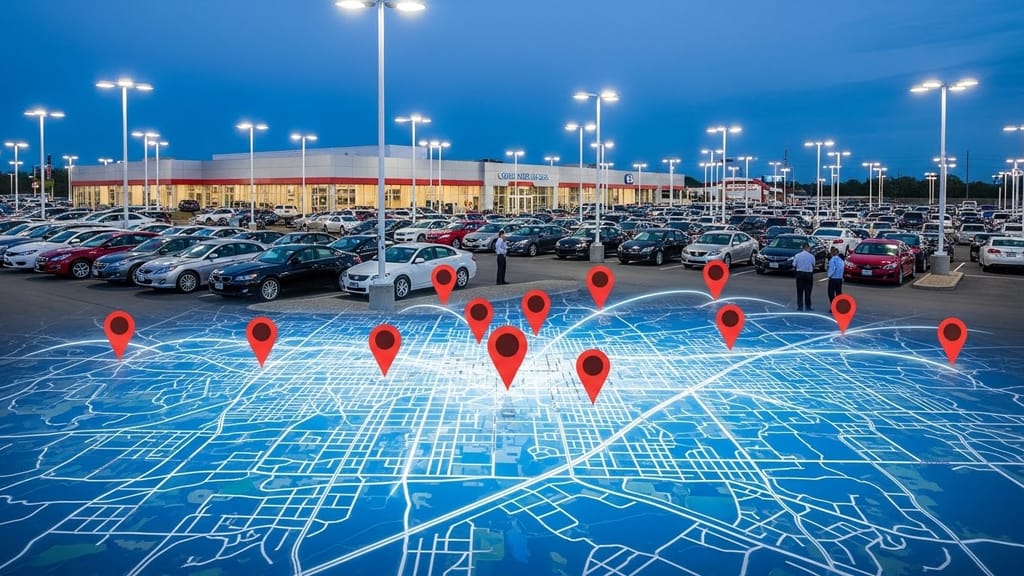
Optimize Your Google Business Profile for Maximum Visibility
Your Google Business Profile (GBP) is one of the most important tools in SEO for dealerships. Google uses this information to determine how and when your dealership should show up in Maps and local results.
Here’s what you need to prioritize:
Complete your profile
Make sure your dealership name, address, phone number, hours, and website are accurate. Any inconsistency across online listings can hurt your ranking.
Add high-quality photos and videos
Upload images of your lot, service bays, new arrivals, and team members. Google rewards profiles that consistently update their visuals.
Use the right categories
Your primary category should reflect your dealership type. A few examples include:
- Car dealer
- Used car dealer
- Toyota dealer
- Auto repair shop
Adding secondary categories helps capture additional search visibility.
Post consistently
Use Google Posts to share:
- Promotions
- New inventory
- Seasonal service specials
- Events or community involvement
Fresh content signals that your business is active and relevant.
Encourage and respond to reviews
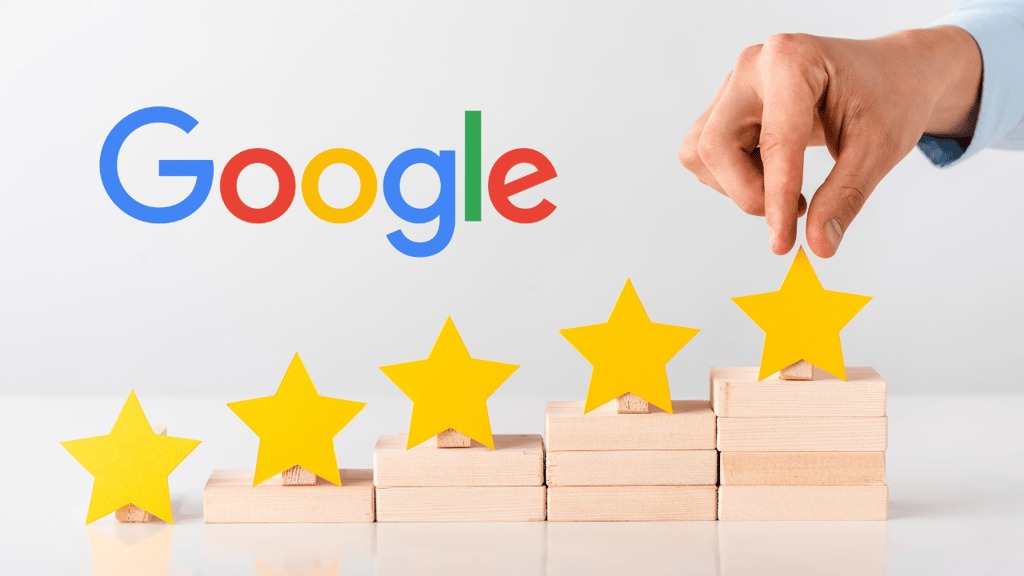
Reviews play a major role in local SEO. Encourage satisfied customers to leave feedback and always respond professionally, even to negative reviews. Google views active engagement as a positive trust signal.
Build Local Relevance with On-Page SEO
Your website should clearly communicate to search engines who you serve and where you operate. Strong on-page optimization helps ensure your dealership appears for location-based searches.
Create location-focused landing pages
Develop pages optimized for your city or region. For example:
- “Ford Dealership in Toronto”
- “Used Cars for Sale in Calgary”
- “Best SUV Deals in Vancouver”
Each page should include relevant content, local references, customer benefits, and calls to action.
Improve your homepage optimization
Your homepage should highlight:
- Your dealership type
- Your primary location
- Your value proposition
This helps Google categorize your business correctly.
Add structured data markup
Schema markup helps Google understand your business more clearly. For dealerships, the AutomotiveBusiness schema can boost local relevance and improve how your information appears in search results.
Optimize for mobile users
Most local searches happen on smartphones. Fast loading times, easy navigation, and mobile-friendly forms improve both SEO and user experience.
AVA® converts your website and campaign traffic into buyers with real credit intent. Walk through it.
Book a demo →Strengthen Local Authority with Citations and Listings
Citations are online mentions of your dealership’s name, address, and phone number. Consistency across these listings builds trust with search engines and reinforces your local authority.
Key places to list your dealership include:
- Google Business Profile
- Bing Places
- Yelp
- Yellow Pages
- AutoTrader
- Cars.com
- Local chambers of commerce
Ensure all information matches exactly across platforms. Discrepancies can cause Google to downgrade your dealership’s credibility.
Leverage Customer Reviews to Boost Rankings and Trust
Reviews are one of the strongest drivers of local SEO. They impact how high your dealership ranks and how likely shoppers are to choose you over competitors.
Strategies to increase reviews:
- Ask customers at delivery
- Send automated follow-up emails
- Provide QR codes at your showroom desks
- Encourage service customers post-appointment
Respond to every review within 24 to 48 hours. This consistent engagement shows Google your business is active and responsive.
Create Localized Content That Drives Traffic
High-quality content helps attract nearby customers and strengthens your SEO for dealerships strategy.
Ideas for local content:
- Comparisons of popular vehicles in your area
- Local driving guides
- Seasonal maintenance tips for your region
- Community partnerships and sponsorships
- Monthly “Top Deals in [City]” blogs
Local relevance is key. When Google sees you creating content tied to your geographic area, it boosts your authority and visibility.
Use Local Backlinks to Build Further Authority
Backlinks remain a powerful ranking factor. For dealerships, earning local backlinks is especially valuable.
Strong local backlink sources include:
- Community organizations you sponsor
- Local news features
- Chamber of commerce websites
- Charity events
- Local blogs and influencers
These links tell Google that your dealership is an established part of the local ecosystem.
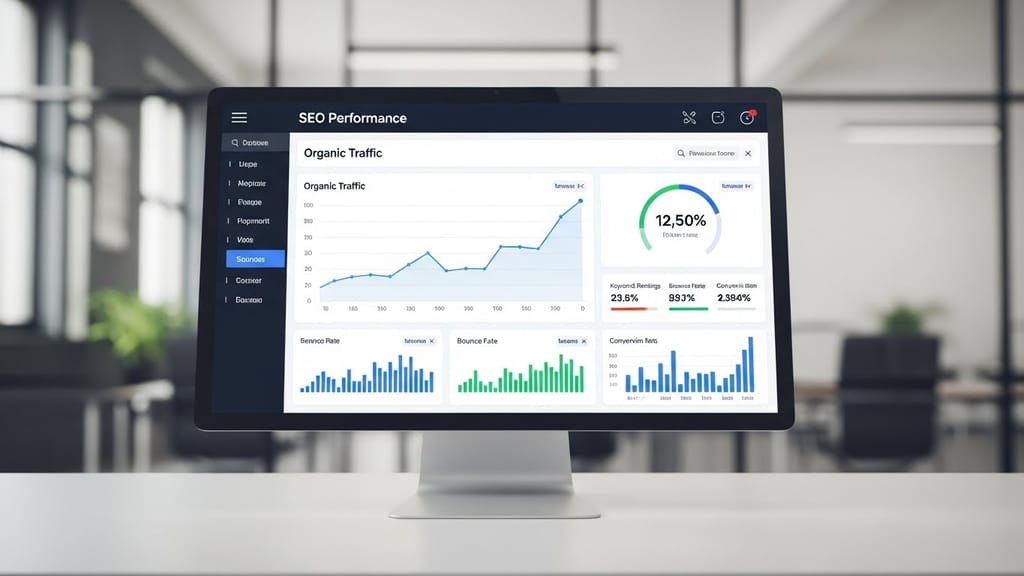
Track and Measure Local SEO Performance
Local SEO is ongoing. Measuring results ensures that your strategy continues to deliver leads and high search visibility.
Key metrics to monitor:
- Google Business Profile impressions and actions
- Local keyword rankings
- Organic website traffic
- Phone call volume
- Online lead submissions
Review these monthly to identify what is working and where adjustments are needed.
Frequently Asked Questions About Local SEO for Dealerships
What is local SEO for car dealerships?
Local SEO for car dealerships is the process of tuning your online presence so your store shows up in top results for searches in your area, such as “Toyota dealer near me” or “used cars in Calgary.” It combines website optimization, Google Business Profile work, review management, local content, citations, and backlinks that tell Google who you are, what you sell, and where you serve customers.
Why does local SEO matter so much for dealerships?
Local SEO matters because most shoppers start their car search online and use location-based terms. They compare prices, check inventory, read reviews, and even apply for credit before they visit a lot. If your dealership does not appear in those local results, your competitors catch those buyers first, gain more test drives, and close more deals.
How should a dealership optimize its Google Business Profile?
A dealership should fully complete its Google Business Profile with accurate name, address, phone number, hours, and website, then pick the right primary and secondary categories, such as “car dealer,” “used car dealer,” or a specific brand. It should upload high-quality photos and videos, publish regular posts about promos and events, and ask happy customers for reviews. Responding to all reviews in a professional way shows Google and shoppers that the store is active and trustworthy.
What on-page SEO tactics help a dealership rank locally?
On-page SEO for local rankings includes creating location-focused landing pages, such as “Ford Dealership in Toronto” or “Best SUV Deals in Vancouver,” and making sure the homepage clearly states your dealership type, main location, and value proposition. Adding AutomotiveBusiness schema, improving mobile speed and usability, and writing content tied to your city or region all help search engines match your site to nearby shoppers.
How can a dealership build local authority online?
A dealership can build local authority by keeping its name, address, and phone number consistent across major listings like Google Business Profile, Bing Places, Yelp, Facebook, AutoTrader, and local chambers of commerce. It should also earn local backlinks from community organizations, news sites, chambers, charity events, and local blogs. When that activity is combined with steady reviews and local content, Google sees the store as a strong local brand.
Final Thoughts
Local SEO for dealerships is no longer an optional marketing tactic. It is a core strategy that drives organic traffic, increases visibility in your community, and reduces reliance on paid advertising. By optimizing your online presence, building local authority, and staying consistent with your SEO efforts, your dealership can rise to the top of search results and dominate your area.
If you want more walk-ins, more test drives, and more opportunities to close deals, investing in local SEO is one of the smartest moves you can make.