 Activix
  AutoTrader
  Black Book
  CarGurus
  Equifax
  TransUnion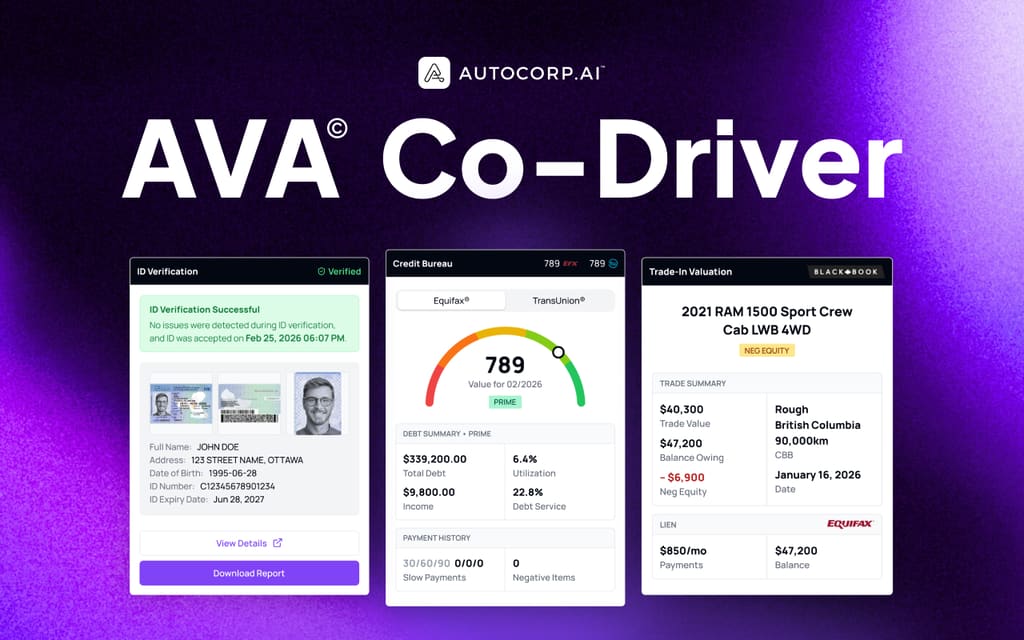


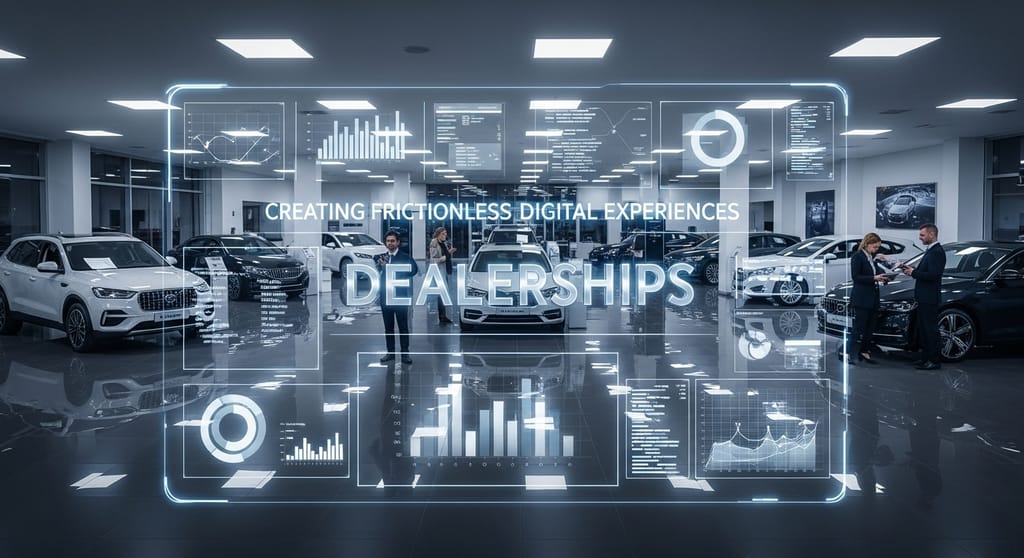
The shift toward a fully digital dealership experience is no longer a trend, it is an expectation. Modern car buyers move seamlessly between online research, mobile browsing, in-store interactions, and post-purchase communication. Any friction during that journey can cost a dealership a lead, a sale, or long-term loyalty.
As consumers become more comfortable making major purchases online, dealerships must adapt to a world where convenience, transparency, and speed are as important as price. Creating frictionless digital experiences is now one of the biggest competitive advantages in automotive retail.
This article explores what makes a digital dealership successful, how to eliminate common points of friction, and where tools part of the AVA™ suite can naturally enhance the customer experience.
Key Takeaways
- A frictionless digital experience in a dealership means shoppers can browse, build payments, apply for credit, and book visits with as few clicks and forms as possible, on any device.
- Dealerships that connect their website, CRM, showroom tools, and follow‑up workflows create one continuous journey, instead of forcing customers to repeat the same info at each step.
- Clear online pricing, real‑time payments, and simple trade‑in tools reduce confusion, build trust, and cut down on time spent in the store.
- Training sales and BDC teams to work from the same digital tools the shopper used online keeps conversations aligned and avoids restarts in the showroom.
- Tracking drop‑off points, page speed, and lead response times helps the dealership find friction and remove it with better flows, better tech, or clearer steps.
The New Expectations of the Digital Dealership
Today’s shoppers expect a digital process that feels intuitive from start to finish. They want the same quality of experience they get from top e-commerce brands, including:
• Fast load times and mobile-friendly design
• Clear, accurate vehicle information
• Easy ways to engage without pressure
• Transparent pricing and financing details
• Simple trade-in evaluation tools
• Secure digital identity verification
• Smooth transitions between online and in-store interactions
Dealerships that deliver this level of convenience are rewarded with higher conversion rates, better customer satisfaction, and more efficient operations.
Step One: Remove Friction From the Research Stage
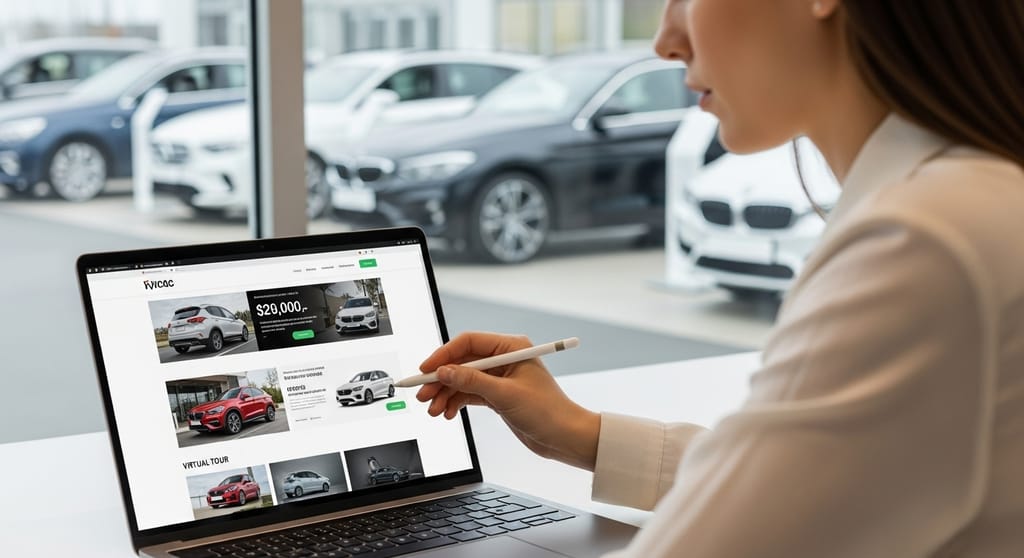
More than 85 percent of car buyers begin their journey online. This is the moment when the digital dealership must shine. If customers experience difficulty accessing information, they simply move on.
To create a frictionless experience during the research stage:
• Ensure every vehicle listing is complete with photos, specs, pricing, and reconditioning notes
• Make navigation simple and avoid overwhelming menus
• Provide short, helpful videos that give buyers a sense of the vehicle before they arrive
• Keep your inventory synced across all platforms
This stage is also where AVA™ Credit can naturally fit into the experience. When shoppers pre-qualify with no impact on their credit, they gain confidence while browsing, and your dealership gains a higher-quality lead. It removes uncertainty without disrupting the browsing flow.
Step Two: Streamline Lead Capture and Communication
Consumers today want easy, flexible ways to reach out. If your contact options feel slow, confusing, or too pushy, friction builds quickly.
Modern digital dealerships simplify communication by:
• Offering live chat and automated responses for common questions
• Using simple lead forms with only essential fields
• Prioritizing fast outreach within five minutes
• Keeping communication consistent across text, email, and CRM systems
Step Three: Simplify Financing and Verification
Financing is one of the biggest friction points in the entire buying process. Long wait times, repeated information requests, and manual data entry lead to frustration for both buyers and staff.
A frictionless digital dealership simplifies financing through:
• Online credit applications that auto-populate into the CRM
• Transparency about payment options and interest rates
• Clear steps outlining what documents customers will need
• Tools that reduce back-and-forth during verification
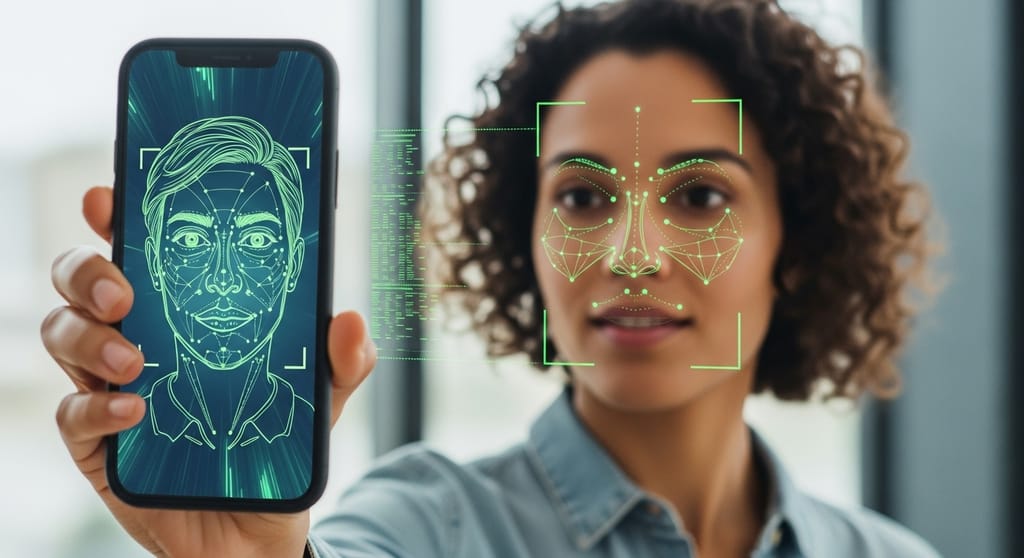
AVA™ ID is a natural enhancement here because lenders are increasingly requiring identity verification. The tool supports both the customer and the dealership by making verification fast, secure, and compliant. Rather than adding friction, it removes the delay that often slows down funding and delivery.
Step Four: Offer a Digital-Friendly Trade-In Process
Trade-ins are another critical decision point. Customers want clarity on what their vehicle is worth, without feeling pressured to come into the store first.
Digital dealerships improve this step by:
• Allowing buyers to enter vehicle details online
• Offering instant or near-instant value ranges
• Providing transparency around how the value is calculated
• Giving customers the option to schedule an appraisal at their convenience
Tools like AVA™ Trade can support this naturally by collecting accurate vehicle information and providing quick valuations. When done well, the trade-in process becomes a motivator, not a barrier.
Step Five: Create a Seamless Bridge Between Online and In-Store
A true digital dealership never treats online and in-store steps as separate experiences. Customers expect their information, preferences, and progress to follow them.
AVA® lets shoppers check credit and trade value in seconds, with no score impact. See how it feels.
Book a demo →To achieve this:
• Ensure your CRM updates in real time
• Train staff to review digital activity before appointments
• Pre-build deals or trade appraisals based on online inputs
• Maintain consistent messaging and pricing online and in store
When customers walk into the dealership and the team already knows their budget, trade-in details, and preferred vehicles, trust is built instantly. This seamless connection reduces time in the showroom and increases customer satisfaction.
Step Six: Measure and Remove Hidden Friction Points
Digital transformation is not a one-time project. Dealerships must continuously measure and refine the experience.
Key metrics to monitor include:
• Website page load times
• Lead response times
• Abandoned forms or drop-off points
• Inventory listing completeness
• Conversion rates by channel
• Time to fund approvals or finalize deals
If buyers consistently drop off during credit applications, the form may be too long. If leads go cold after initial outreach, the messages may lack clarity or personalization. Every friction point is an opportunity to optimize the digital dealership experience.
The Human Element Still Matters
Even in a digital-first world, the human connection remains one of the most powerful parts of the buying journey. Technology should enhance, not replace, the expertise and relationships that make dealerships successful.
A frictionless experience is not about automation for automation’s sake. It is about giving customers what they want: convenience, clarity, and confidence.
The Future of the Digital Dealership
Over the next few years, we will see even more integration between digital and physical experiences. Key trends include:
• Faster verification and funding processes
• More personalized website experiences based on buyer intent
• Predictive inventory recommendations
• AI-driven customer engagement
• Greater emphasis on transparency and digital documentation
Dealerships that focus on reducing friction now will be far ahead as buyers demand more online convenience and more efficient in-store interactions.
Frequently Asked Questions About Digital Experiences in Car Dealerships
What is a frictionless digital experience in a dealership?
A frictionless digital experience is a shopping journey that feels simple, fast, and clear from the first website visit to the final signature. The shopper can research vehicles, see realistic payments, value a trade, and start or finish credit steps without repeating data or jumping between disconnected tools. The online work carries into the store, so the buyer feels like the dealership remembers them and respects their time.
Why do dealerships need to focus on digital experience instead of only in‑store visits?
Car buyers start online and expect the same level of ease they get from retail apps and delivery services. If a dealership site is slow, confusing, or full of dead ends, shoppers leave before they ever submit a lead. A strong digital experience gives the store more engaged leads, shorter in‑store visits, and higher closing rates. It also builds trust, since the customer sees clear info before they ever talk to a salesperson.
How can dealerships reduce friction between online shopping and the showroom?
Dealerships can cut friction by syncing website data with in‑store systems and training teams to honor online steps. That means pulling in the shopper’s saved deal structure, honouring quoted payments when possible, and avoiding fresh forms if the shopper already completed them online. Simple tactics like sending a confirmation text with visit details, assigned contact, and location help the handoff feel guided instead of random.
How should dealerships measure the success of their digital experience?
Helpful metrics include website conversion rate, time on site, drop‑off points in digital retail flows, lead response time, and time from first contact to sale. Customer feedback, such as reviews and simple post‑purchase surveys, also shows how the process feels in real life. When performance improves and customers say the process was easy and fast, the digital experience is moving in the right direction.
Final Thoughts
Creating a frictionless digital dealership experience is no longer optional. It determines whether customers stay engaged, trust your process, and complete the sale. By simplifying research, communication, financing, trade-ins, and in-store transitions, dealerships can dramatically improve both customer satisfaction and operational efficiency.
Digital tools like AVA™ Credit, AVA™ Trade, AVA™ ID, and AVA™ Matchbook naturally support this evolution without dominating it. They help remove obstacles and build smoother journeys from start to finish.
Dealerships that master these experiences today will be the ones leading automotive retail tomorrow.