 Activix
  AutoTrader
  Black Book
  CarGurus
  Equifax
  TransUnion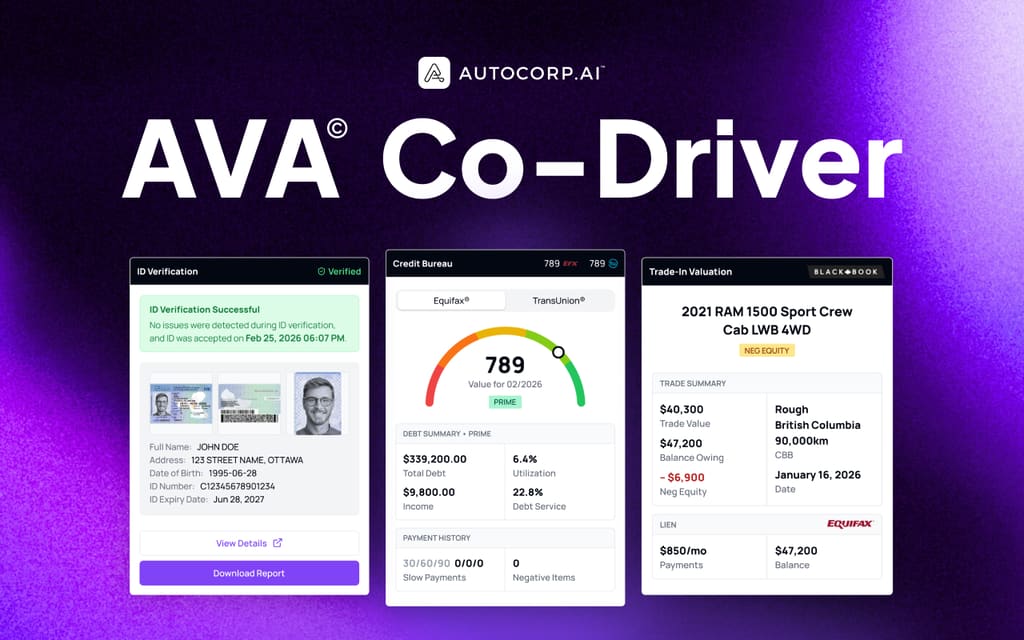



In 2026, your dealership’s website is more than just a digital presence, it’s often the first interaction a customer has with your brand. With car buyers increasingly starting their research online, a poorly designed or underperforming website can cost you leads, sales, and credibility. If your website is slow, confusing, or hard to find, shoppers won’t stick around.
Key Takeaways
- Slow load times (over 3 seconds) cause shoppers to leave before they view inventory, compress images, reduce scripts, and test speed with Google PageSpeed Insights.
- A cluttered homepage lowers engagement, keep navigation simple and put inventory, financing, and contact options front and center.
- Landing pages must match the ad promise (for example, “used SUVs” should link to used SUV inventory), add one clear CTA to turn clicks into leads.
- Mobile usability affects most buyers, use responsive layouts, improve mobile speed scores, and make forms and buttons easy to tap.
- Weak SEO makes your dealership hard to find, optimize titles and meta descriptions for buyer keywords, and keep helpful content updated.
Here are the five biggest reasons your website may be losing customers, and what you can do about it.
1. Slow Loading Times
In today’s fast-paced digital world, customers expect websites to load instantly. Studies show that 60% of users will abandon a site if it takes more than three seconds to load. High-resolution images, videos, and outdated scripts are often the culprits behind slow websites.
Fix it for 2026:
- Compress images to under 2MB and embed videos instead of hosting them natively.
- Use tools like Google PageSpeed Insights to test load times across multiple pages.
- Keep your design simple and minimize unnecessary scripts to improve performance on both mobile and desktop.
A fast-loading site ensures customers stay engaged and reduces the risk of losing them before they even see your inventory.

2. A Chaotic Homepage
First impressions matter, and a cluttered homepage can overwhelm visitors. Even if your content is top-notch, shoppers won’t stick around if they can’t find what they’re looking for quickly.
Fix it for 2026:
- Streamline navigation with clear menus, dropdowns, and categories.
- Prioritize essential information like inventory, financing, and contact details.
- Consider usability testing to get professional feedback on how customers interact with your site.
A clean, well-organized homepage guides visitors naturally and helps them take action, whether browsing inventory or submitting a lead form.
3. Unclear Landing Pages
Paid search and advertising can bring high-intent buyers to your site, but only if the landing page delivers. A poorly designed or irrelevant landing page can cost you conversions and waste ad spend.
Fix it for 2026:
AVA® converts your website and campaign traffic into buyers with real credit intent. Walk through it.
Book a demo →- Ensure landing pages match the search intent of your ads. For example, an ad for “used SUVs” should lead directly to a used SUV inventory page.
- Include a clear, compelling call-to-action (CTA) that tells visitors exactly what to do next.
- Use professional copywriting and design to highlight the key information and guide the customer’s attention.
Relevant and targeted landing pages turn clicks into leads, improving the ROI of your marketing campaigns.
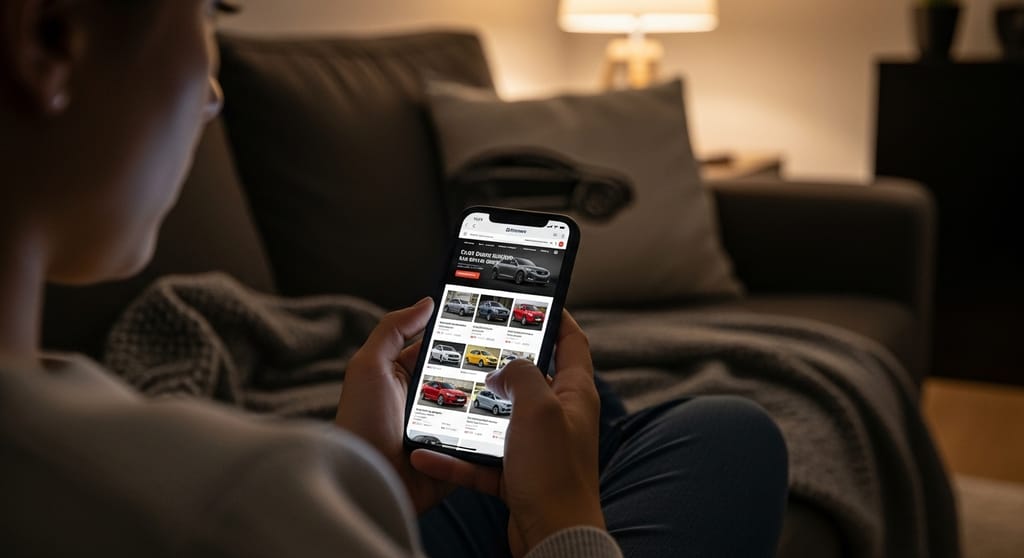
4. Not Mobile-Friendly
Most car buyers now research on mobile devices. If your website isn’t responsive, you’re likely losing a large portion of potential customers. Mobile users expect content to be easy to read, menus to function smoothly, and forms to be simple to complete.
Fix it for 2026:
- Test your site on multiple devices to ensure responsiveness.
- Use Google PageSpeed Insights to check mobile performance and aim for “green” scores.
- Make navigation, forms, and CTAs easy to tap and interact with on smaller screens.
A mobile-optimized site ensures shoppers can browse, compare, and submit inquiries without frustration.
5. Weak SEO Strategy
Even the best website won’t matter if customers can’t find it. Search Engine Optimization (SEO) ensures your dealership appears when buyers search for vehicles, inventory, or services online. Without SEO, you’re invisible to a growing segment of digital-first shoppers.
Fix it for 2026:
- Hire an SEO professional to audit your site and optimize for high-intent keywords.
- Ensure your meta descriptions, page titles, and content reflect the terms buyers are searching for.
- Maintain fresh, informative content on inventory, financing, and the car buying process to boost rankings.
Strong SEO drives organic traffic, giving you consistent leads without relying solely on paid ads.
The Bottom Line
In 2026, a dealership website is more than just a brochure, it’s a critical tool for capturing leads and converting them into buyers. Fast loading times, clean navigation, clear landing pages, mobile optimization, and a solid SEO strategy are essential to stay competitive.
Investing in your website isn’t optional, it’s how you ensure your dealership keeps pace with the modern car buyer’s expectations.