 Activix
  AutoTrader
  Black Book
  CarGurus
  Equifax
  TransUnion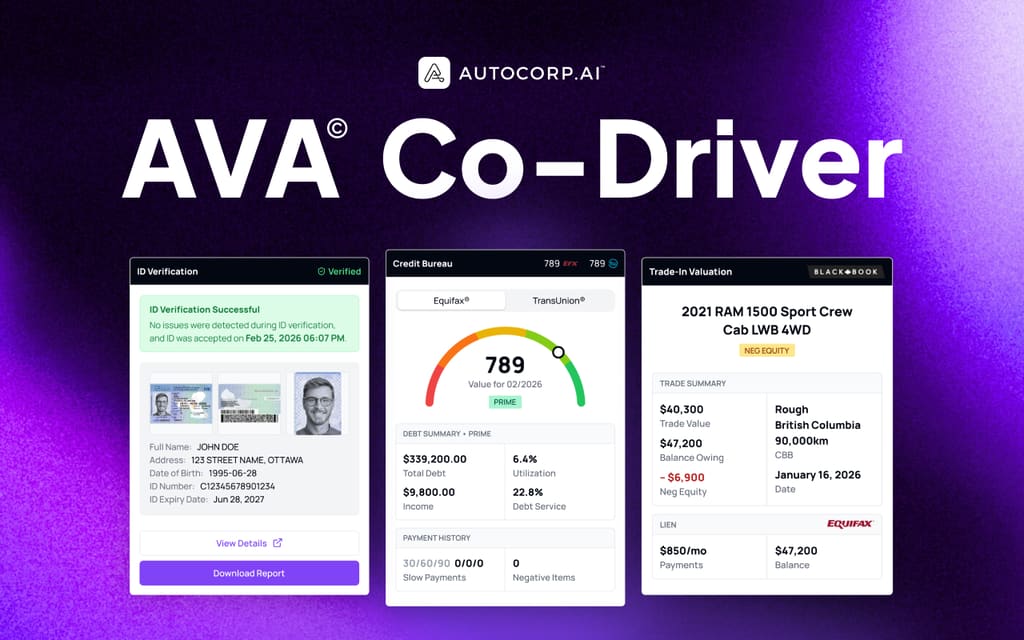

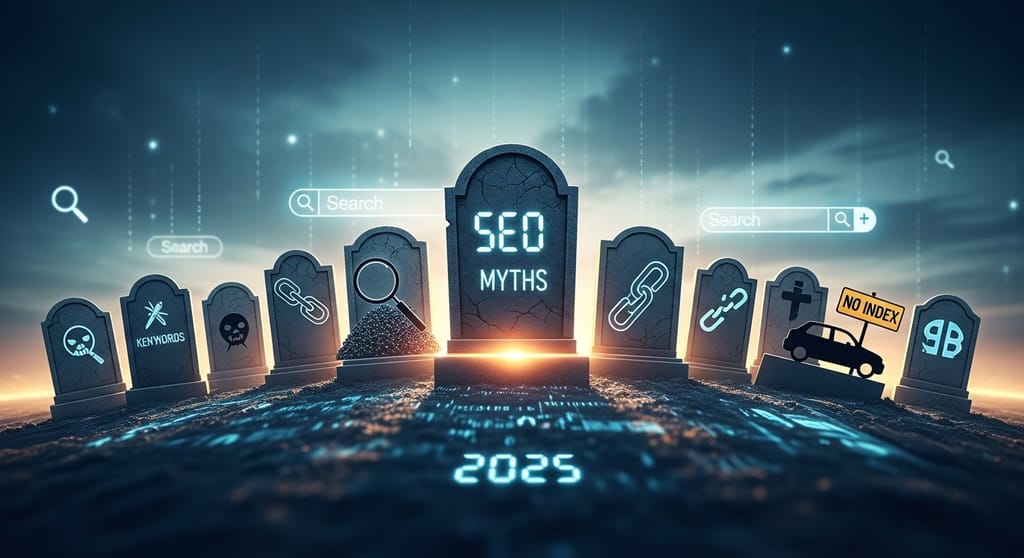
In 2025, search engines are smarter, AI is changing how people find cars online, and customer expectations are higher than ever. Yet, many dealerships are still falling for outdated SEO advice that hurts more than it helps. From keyword stuffing to chasing backlinks, it’s time to clear the air and focus on what truly drives traffic and conversions.
Key Takeaways
- Keyword stuffing hurts car dealer SEO in 2025, clear and helpful content wins rankings and leads.
- SEO for dealerships is an ongoing process that needs regular content updates, technical checks, and performance tracking.
- Blogging, local SEO, reviews, and social media all work together to drive high intent traffic and dealership visibility.
- Quality backlinks, fast mobile-friendly pages, and strong online reviews signal trust and authority to search engines.
- AI tools help dealerships scale content, but human editing, local insight, and brand expertise keep it effective and safe.
This blog breaks down ten common dealership SEO myths and gives you the facts you need to climb the rankings, attract more leads, and future-proof your online presence.
1. Myth: More Keywords = Better Rankings
Stuffing your website with keywords used to trick Google a decade ago, but now it signals poor-quality content. Google’s algorithms reward clarity and value, not repetition. Instead of cramming “used cars in Toronto” into every sentence, focus on creating readable, informative content that naturally includes your target terms.
2. Myth: SEO Is a One-Time Fix
Many dealerships treat SEO like a checkbox, something to set and forget. But SEO is a continuous process. Search algorithms evolve, consumer behavior shifts, and competitors update their websites. To stay ahead, update your content regularly, audit your technical SEO, and track performance monthly.
3. Myth: Blogging Doesn’t Help Dealerships
Blogging isn’t just for lifestyle brands. Consistent, high-quality blogs help car dealerships build authority, answer customer questions, and improve visibility for long-tail searches. For example, writing posts about “How to Finance a Car with Bad Credit in Canada” or “What to Expect in a Trade-In Appraisal” targets real customer intent and drives organic traffic.
4. Myth: You Need to Rank #1 to Win
Top ranking positions are valuable, but user behaviour has changed. Features like Google’s local pack, reviews, and AI-generated overviews often appear before organic results. Focus on optimizing your Google Business Profile, gathering reviews, and appearing in relevant local searches instead of obsessing over position one.
5. Myth: Backlinks Are Everything
Backlinks still matter, but quality far outweighs quantity. A single link from an automotive authority site or trusted news outlet carries more weight than dozens from random directories. Build partnerships, publish guest content, and earn links through valuable industry insights rather than spammy link exchanges.
6. Myth: Technical SEO Isn’t Important for Dealers
Your website’s structure, speed, and mobile optimization can make or break your rankings. Many dealership sites lose traffic because of slow load times or broken links. Compress images, use responsive design, and ensure every page is indexable. Google’s Core Web Vitals directly affect how your site ranks and how long visitors stay.
7. Myth: AI-Generated Content Hurts SEO
AI tools like ChatGPT can actually boost your content strategy when used correctly. The key is human oversight. Combine AI efficiency with expert editing, proper sourcing, and local relevance. For dealerships, this means using AI to generate blog drafts, vehicle descriptions, or FAQs, then refining them to reflect your brand’s voice and expertise.
8. Myth: Reviews Don’t Affect Search Rankings
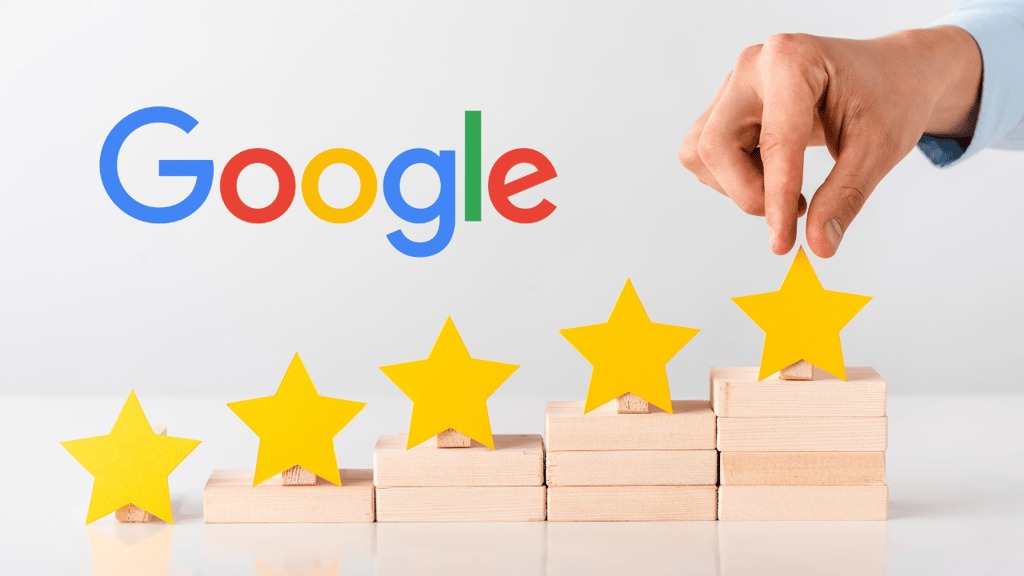
Online reviews have become a ranking factor for local SEO. Google favors businesses with consistent, positive reviews because they demonstrate trustworthiness. Encourage satisfied customers to leave reviews after every sale or service appointment. Responding to feedback, good or bad, shows transparency and professionalism.
AVA® converts your website and campaign traffic into buyers with real credit intent. Walk through it.
Book a demo →9. Myth: Local SEO Doesn’t Matter If You’re Well Known
Even established dealerships benefit from local SEO. Consumers search “dealerships near me” thousands of times per day. If your name, address, and phone number (NAP) aren’t consistent across platforms, you could lose visibility. Optimize your listings on Google, Bing, Apple Maps, and social media to dominate local searches.
10. Myth: Social Media Doesn’t Impact SEO
While social signals don’t directly influence rankings, they play a major supporting role. Sharing blog content, highlighting reviews, and engaging followers drive traffic to your site, which in turn signals relevance to search engines. Platforms like LinkedIn and Instagram are powerful tools for brand awareness and indirect SEO growth.
Frequently Asked Questions SEO Myths
Do car dealerships still need SEO in 2025?
Yes, car dealerships still need SEO in 2025. Search engines now use AI, user intent, and quality signals to decide what to show shoppers. Dealers that publish clear content, keep their sites fast and mobile friendly, and stay active with reviews and local listings gain more visibility. SEO is how your dealership shows up when people search for vehicles, financing, and service in your area.
Does keyword stuffing help car dealer websites rank higher?
Keyword stuffing hurts car dealer websites. Repeating phrases like “used cars in Toronto” in every sentence looks spammy and low quality. Modern search algorithms reward content that reads naturally, answers real questions, and uses keywords in context. Dealers see better results when they write for humans first, then refine headings, meta tags, and copy for search.
Is SEO a one-time setup for car dealerships?
SEO is not a one-time setup. Search algorithms change, competitors update their sites, and customer behavior shifts. Dealerships need ongoing work, such as adding new content, updating vehicle and finance pages, fixing technical issues, and checking key metrics each month. Treat SEO like a long term channel, not a one off project.
Do blogs actually help car dealerships get more leads?
Yes, blogs help car dealerships attract more leads. Blog posts that answer real questions, such as how to finance with bad credit or what to expect in a trade in, attract long tail searches from serious shoppers. These visitors tend to be closer to purchase and more likely to convert into leads or appointments.
Do online reviews and social media affect car dealer SEO?
Online reviews and social media both support car dealer SEO. Reviews are a known local ranking factor and help Google see your dealership as trustworthy and active. Social media does not directly change rankings, but it boosts brand awareness, drives traffic to your site, and helps more people read and share your content. All of this supports stronger search performance over time.
The Truth About SEO in 2025
Search optimization for dealerships isn’t about gaming the algorithm, it’s about aligning with it. Google rewards expertise, authority, and trust, which means dealerships that publish original, relevant, and consistent content will always rise to the top.
To succeed, build a content strategy grounded in experience and data. Use tools to monitor performance, keep your website technically sound, and embrace AI to scale your marketing efficiently.