TechnologyCustomer ExperienceSalesOperationsFinancingMarketingSecurityIndustry News
Automotive Sales
March 30, 2026

11 Tips to Sell More Electric Vehicles

Reading time: 5 minutes
11 Tips to Sell More Electric Vehicles

Electric vehicles are no longer a niche, they’re becoming a core part of dealership inventory across Canada. But while demand is growing, selling EVs still requires a different approach than traditional gas vehicles. Buyers are more informed, more cautious, and often earlier in their decision-making journey.

If you want to move more EV inventory in 2026, your strategy needs to evolve. Here are 11 practical, modern tips to help your dealership sell more electric vehicles.

Key Takeaways

  • Dealerships can sell more electric vehicles in 2026 by focusing on buyer education, not sales pressure.
  • Cost savings, charging basics, and real-world range are the three topics most likely to influence EV purchase decisions.
  • Clear rebate information, fast follow-up, and EV-trained sales staff help reduce buyer hesitation and improve close rates.
  • EV shoppers often research longer and compare more dealers, so strong website content and quick response times matter.
  • Trust grows when dealerships use real ownership stories, EV-specific walkarounds, and simple explanations of daily EV use.

1. Lead With Cost Savings, Not Just Sustainability

While environmental impact matters, most buyers are driven by economics. Focus on:

  • Monthly fuel savings vs gas vehicles
  • Lower maintenance costs
  • Total cost of ownership over 3–5 years

Make it simple. Show real numbers, not just concepts.

2. Address Range Anxiety Upfront

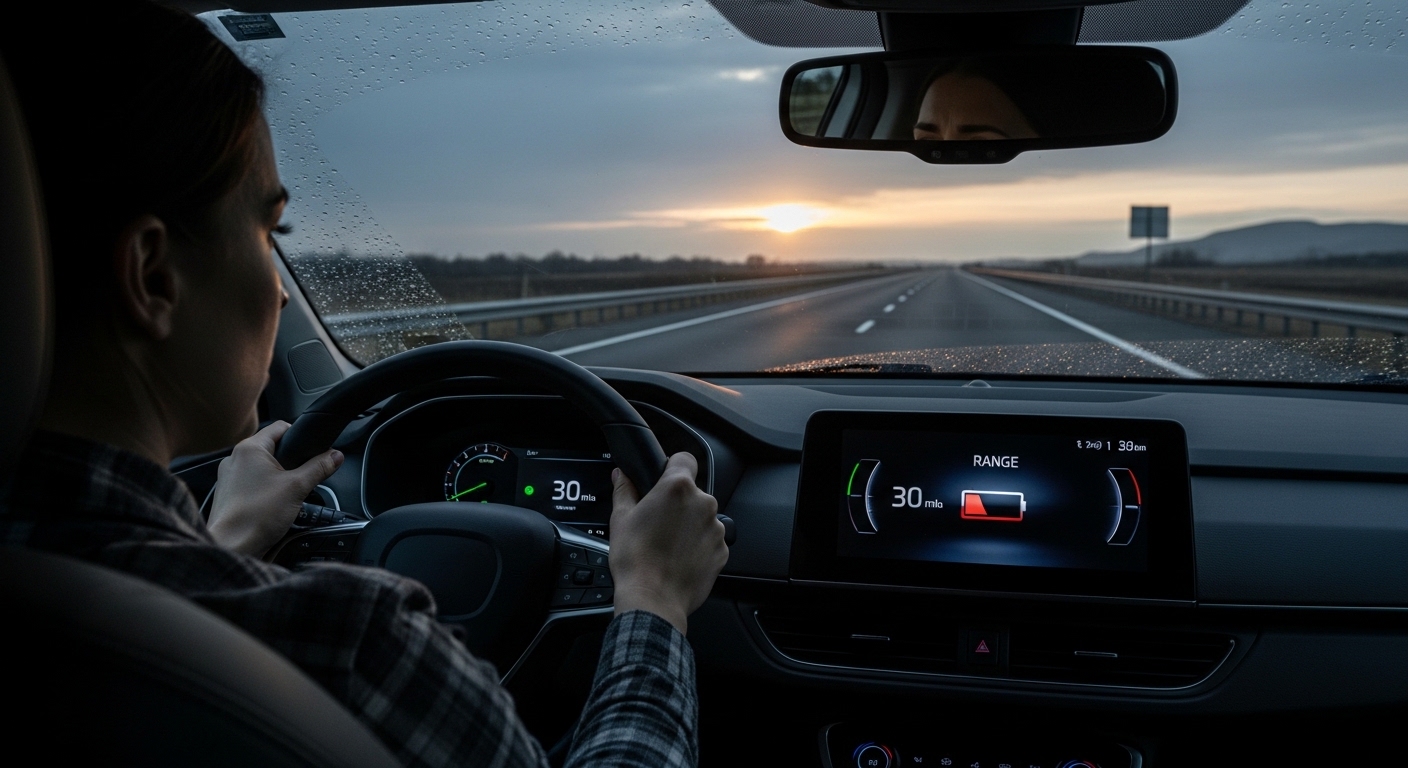
Range anxiety is still one of the biggest objections in 2026.

Instead of waiting for the question, lead with it:

  • Explain real-world range (not just manufacturer estimates)
  • Compare range to typical daily driving habits
  • Show how rarely most drivers actually need public charging

Confidence sells EVs.

3. Make Charging Easy to Understand

Charging is where most deals get lost.

Break it down clearly:

  • Home charging vs public charging
  • Level 1, Level 2, and fast charging explained simply
  • Charging time in real-life scenarios (overnight, commuting, road trips)

If your team can explain charging in under 60 seconds, you’ll win more deals.

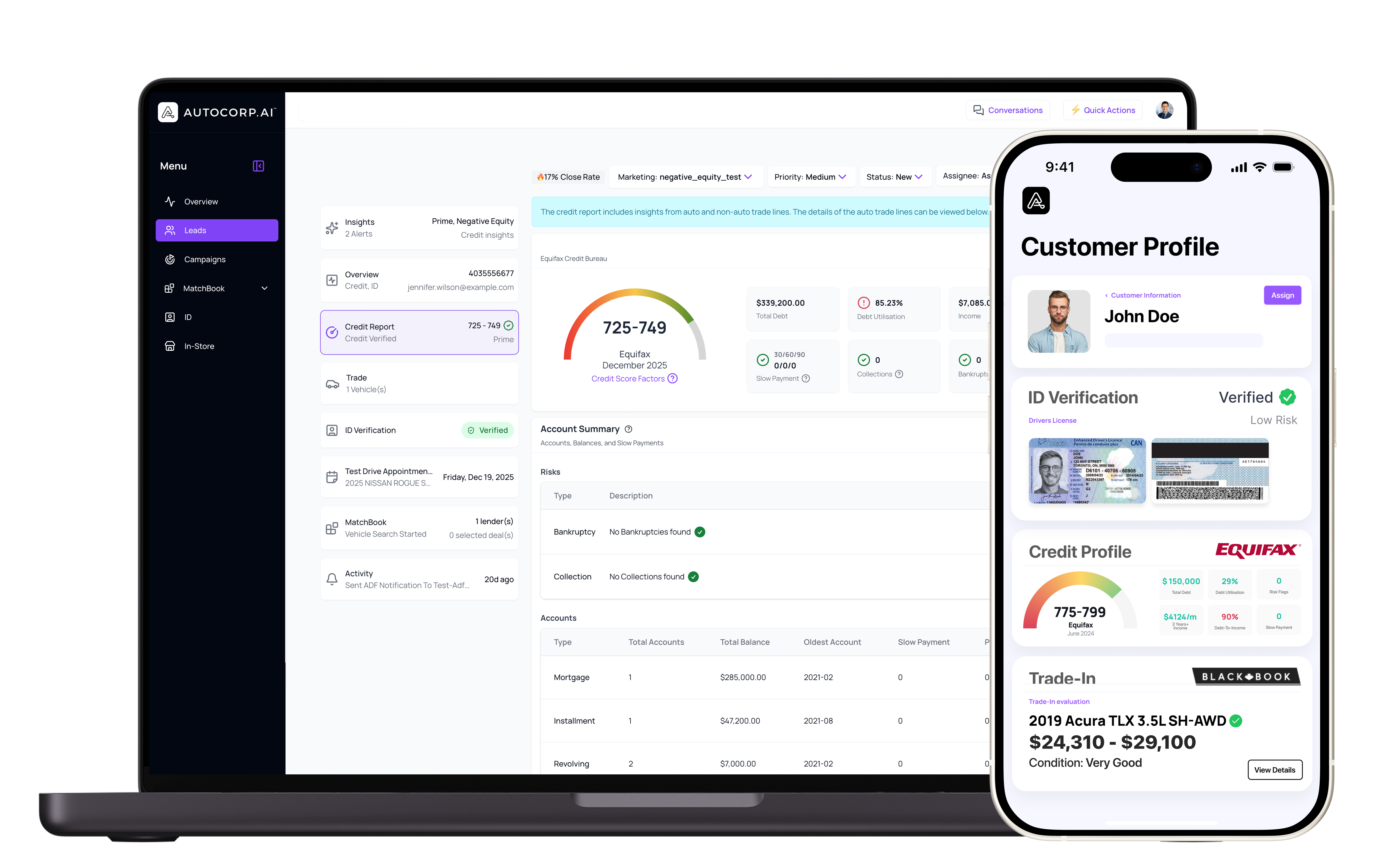
4. Use Digital Tools to Pre-Qualify Buyers

EV buyers tend to do more research and shop around more. The faster you can qualify serious buyers, the better.

Focus on:

  • Identifying high-intent shoppers early
  • Prioritizing buyers who are financially ready
  • Reducing time spent on unqualified leads

This allows your team to spend more time with buyers who are actually ready to move forward.

5. Highlight Available Incentives Clearly

EV incentives are still a major driver of sales, but many buyers don’t fully understand them.

Make it easy:

  • Show total savings including rebates
  • Break down how incentives affect monthly payments
  • Keep information up to date by province

Clarity here can be the difference between hesitation and commitment.

6. Train Your Team Beyond the Basics

EV buyers expect more knowledgeable salespeople.

Your team should confidently handle:

  • Battery life and degradation
  • Charging infrastructure
  • Ownership costs
  • Differences between EV, hybrid, and plug-in hybrid

If your team sounds unsure, buyers lose confidence quickly.

7. Create EV-Specific Walkarounds

EV buyers care about different features than gas buyers.

Focus your walkarounds on:

  • Regenerative braking
  • One-pedal driving
  • Charging ports and setup
  • Interior tech and software

Tailor the experience to what actually matters in an EV.

8. Build Trust With Real Ownership Stories

Social proof is huge for EV sales.

Use:

  • Customer testimonials
  • Delivery photos and videos
  • Short clips of real owners talking about their experience

Seeing other people successfully make the switch reduces hesitation.

9. Optimize Your Website for EV Searches

Many EV buyers start their journey online.

Make sure your site:

  • Has dedicated EV landing pages
  • Includes keywords like “electric vehicles Canada” and “EV cost savings”
  • Clearly lists available inventory and pricing

The easier you are to find, the more EV leads you’ll generate.

10. Follow Up Faster Than Ever

EV buyers often compare multiple dealerships.

Speed matters:

  • Respond to inquiries within minutes, not hours
  • Use SMS and email follow-ups
  • Keep communication simple and helpful

The dealership that responds first often wins.

11. Shift From Selling Cars to Educating Buyers

This is the biggest mindset shift.

EV buyers don’t want to be “sold”, they want to understand:

  • How the vehicle fits their lifestyle
  • What ownership actually looks like
  • Whether switching from gas makes sense

If your team focuses on education instead of pressure, conversions will naturally improve.

Final Thoughts

Selling electric vehicles in 2026 isn’t about pushing inventory, it’s about guiding buyers through a new way of driving. The dealerships that win will be the ones that simplify the process, build trust, and focus on real buyer concerns.

Get that right, and EVs won’t just be part of your inventory, they’ll become one of your strongest growth drivers.
🫶 Sharing is caring.

Found this article interesting? Share it on your favourite social channels.