 Activix
  AutoTrader
  Black Book
  CarGurus
  Equifax
  TransUnion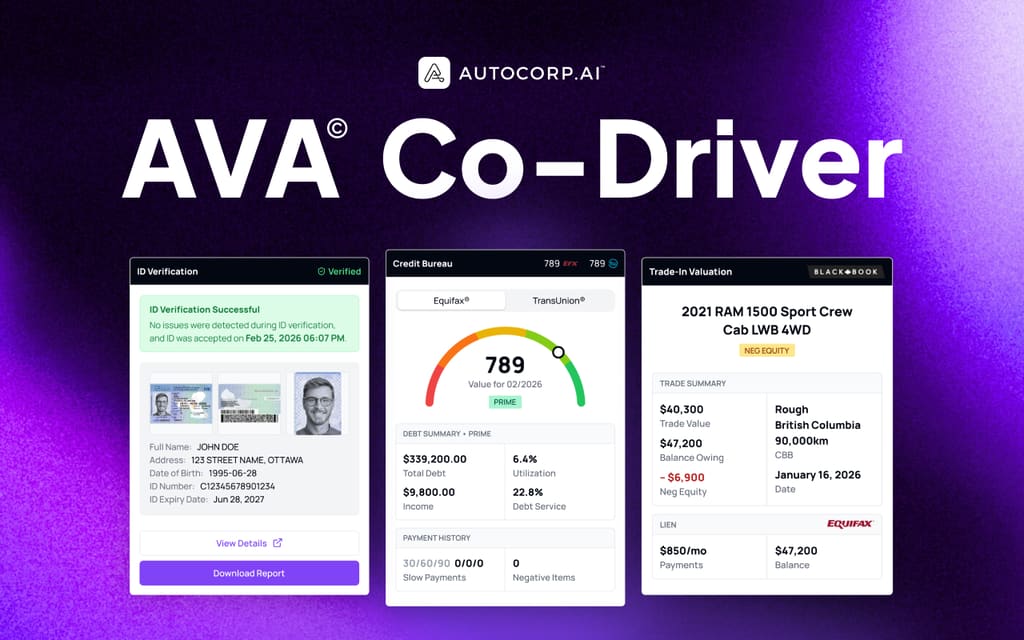



Digital retail has become a permanent part of the automotive buying journey. While not every customer will complete their purchase entirely online, nearly every shopper now begins their research digitally. Inventory browsing, payment calculators, trade-in tools, and credit pre-qualification have become standard touch points. The challenge for dealerships is not getting shoppers online, it is what happens when they leave before finishing.
Customers abandoning the digital experience is normal. How your dealership follows up afterward is what determines whether that shopper becomes a sale or disappears entirely.
Key Takeaways
- Most car shoppers start online, but many pause and leave before finishing, follow-up is what turns drop-offs into sales.
- Partial lead capture (email or phone from tools like calculators, trade-in, or credit) lets you re-engage without forcing the shopper to restart.
- The best follow-ups focus on one clear next step, often an appointment option, not a generic sales message.
- Trade-in activity is a strong buying signal, follow up with transparent value and timing guidance.
- Soft credit checks reduce credit anxiety, build trust, and help shoppers move forward without a hard inquiry.
Why customers abandon digital retail journeys
Car buying is rarely a straight line. Shoppers jump in and out of the process depending on time, distractions, confidence, and outside influence. Many customers leave simply because life gets in the way, not because they lost interest.
A common scenario looks like this. A customer spends time on your website after work, browsing inventory and using a payment calculator. After 20 or 30 minutes, they close their laptop to deal with family, watch a game, or handle something else. The intent is still there, but the momentum is gone.
In the past, that moment meant the opportunity was lost. If the customer did not fully submit a lead form, dealerships had no way to follow up. Today, that no longer has to be the case.

The importance of partial lead capture
Modern digital retail tools allow dealerships to capture partial information when a customer interacts with calculators, trade-in tools, or credit experiences. Even limited details such as an email or phone number give your team the ability to re-engage the shopper in a helpful, low-pressure way.
The goal is not aggressive outreach. The goal is continuity. Customers want to pick up where they left off without starting over.
Sending a personalized follow-up link that restores their progress shows convenience, professionalism, and respect for their time.
Three effective ways to re-engage digital drop-offs
1. Appointment-focused follow-ups
Not every customer wants to finish online. Many prefer to complete the process in the showroom with a product specialist. When a shopper partially completes a digital form, your team can use that information to invite them in for an appointment instead of pushing them back online.
A simple message offering to continue the process in person often converts better than a generic sales follow-up. This approach meets the customer where they are and removes friction from the experience.
2. Trade-in based re-engagement
Trade-in interest is one of the strongest buying signals in automotive retail. Customers who start a trade-in valuation are actively considering a purchase, even if they do not complete the process.
Following up on trade-in activity allows dealerships to open conversations around value, timing, and inventory availability. With used vehicle supply still tight, trade-ins benefit both sides. The customer gets clarity on their equity and the dealership strengthens its inventory pipeline.
Trade-in follow-ups should focus on transparency and education, not pressure.
3. Credit confidence through soft checks
Financing uncertainty causes many shoppers to hesitate. Customers want to understand their credit position, but most are hesitant to take a hard credit inquiry early in the process.
Offering soft credit checks removes that barrier. A soft check allows customers to explore payment options without impacting their credit score. This builds trust and increases engagement while providing the dealership with a qualified opportunity to continue the conversation.
When credit confidence increases, abandonment rates decrease.
Best practices for digital follow-up
AVA® lets shoppers check credit and trade value in seconds, with no score impact. See how it feels.
Book a demo →Successful follow-up is timely, relevant, and helpful. Automated messages should feel personal and purposeful, not generic. Every follow-up should answer one simple question for the customer: what is the easiest next step?
It is also important that sales teams understand where the customer dropped off. Context matters. A shopper who abandoned a payment calculator requires a different conversation than one who exited during a trade-in flow.
Training your team to read and act on digital behaviour improves conversion and customer experience at the same time.

Creating a seamless digital and in-store experience
The most effective dealerships do not treat digital and showroom experiences as separate journeys. They treat them as one connected process.
Customers should be able to start online, pause, resume, and finish however they choose. Whether that means completing everything digitally or transitioning to an in-person visit, your dealership should support both paths equally.
Digital abandonment is not failure. It is an opportunity to re-engage with relevance and value.
Frequently Asked Questions About Digital Retail Drop-Offs for Car Dealerships
Why do shoppers abandon a digital car-buying process?
Most shoppers leave because of normal interruptions, time, distractions, or needing more confidence. It often has nothing to do with losing interest, the momentum just pauses.
What is partial lead capture in digital retail?
Partial lead capture is when your digital tools collect limited contact info (like an email or phone number) during steps like payment calculators, trade-in flows, or credit steps. It gives your team a way to follow up even if the shopper never submits a full lead form.
What should a dealership say when following up with a digital drop-off?
Keep it timely, personal, and helpful. Offer the easiest next step, like a link that restores their progress or an option to book an appointment with a product specialist.
Why is trade-in activity a strong signal?
A shopper who starts a trade-in valuation is often closer to buying than someone only browsing. Following up on trade-in interest opens a practical conversation about value, equity, timing, and matching inventory.
How do soft credit checks help reduce abandonment?
Soft credit checks let shoppers explore financing and payments without affecting their credit score. That lowers anxiety, builds trust, and increases the chance they continue the process.
Final thoughts
Digital retail is no longer optional, but neither is strong follow-up. Customers will continue to abandon online experiences for perfectly normal reasons. The dealerships that win are the ones prepared to meet them afterward with the right tools, messaging, and timing.
By capturing partial leads, focusing on appointments, leveraging trade-in interest, and reducing credit anxiety, dealerships can turn digital drop-offs into real conversations and real sales.