 Activix
  AutoTrader
  Black Book
  CarGurus
  Equifax
  TransUnion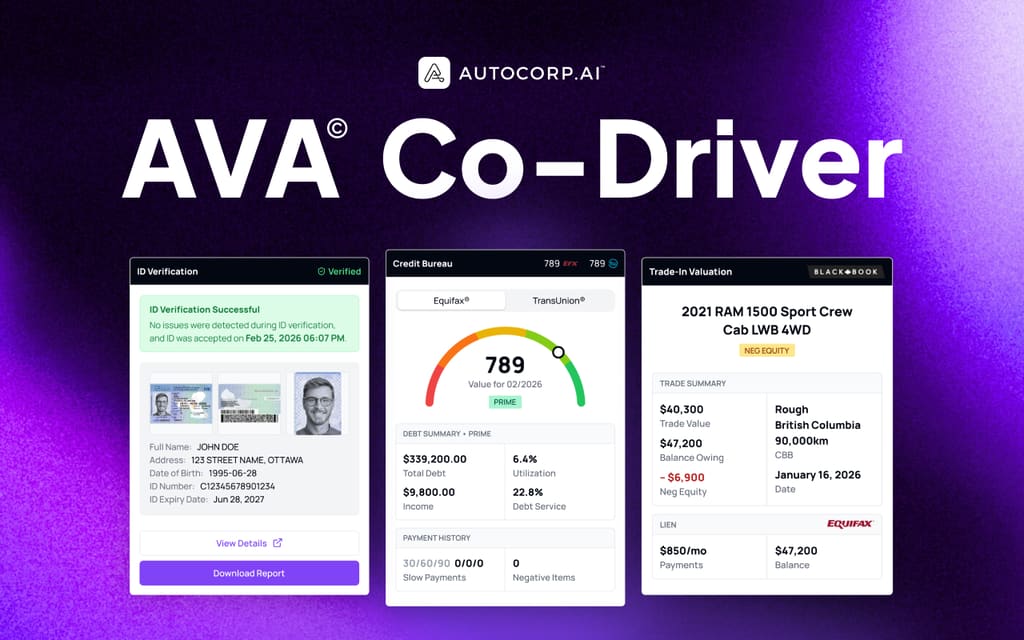



In today’s automotive retail environment, speed, organization, and follow-up determine who wins the deal. Walk-ins, internet leads, trade-in inquiries, and finance applications all move fast. Without structure, opportunities slip through the cracks.
That’s where a dealership CRM becomes mission critical.
A modern dealership CRM is more than a digital address book. It is the operational backbone of your sales process, helping teams manage leads, track conversations, automate follow-up, and measure performance. When used correctly, it directly impacts close rates, customer satisfaction, and long-term dealership growth.
Key Takeaways
- A dealership CRM centralizes leads, communication history, appointments, follow-ups, and reporting in one place, so teams don't miss opportunities.
- Faster lead response and consistent follow-up improve appointment rates and close rates, because prospects get help while interest is high.
- CRM dashboards give managers real-time visibility into lead flow, follow-up activity, and rep performance, which supports better coaching.
- Lead scoring and prioritization help teams focus on high-intent shoppers first, improving results without needing more leads.
- Adoption drives results, regular training, clear follow-up standards, and KPI reviews turn the CRM into a daily workflow tool.
What Is a Dealership CRM?
A dealership CRM, or Customer Relationship Management system, is software designed to manage customer interactions throughout the car buying journey. It centralizes lead data, communication history, appointment scheduling, follow-ups, and reporting into one platform.
Instead of relying on spreadsheets, notebooks, or disconnected tools, sales teams use a CRM to:
- Track every inbound lead
- Assign and monitor follow-ups
- Log calls, emails, and texts
- Manage appointments and showroom traffic
- Analyze performance metrics
The result is a more structured, accountable sales process.

Why a Dealership CRM Directly Impacts Sales Performance
Sales success in automotive retail is rarely about having the most leads. It is about handling leads effectively.
Faster Response Times Increase Conversion
Studies consistently show that response time is one of the biggest drivers of appointment set rates. A dealership CRM ensures leads are routed immediately and assigned to the right salesperson. Automated alerts and reminders prevent delays.
When your team responds within minutes instead of hours, conversion rates increase.
Consistent Follow-Up Wins More Deals
Most car buyers do not purchase on the first interaction. They shop around, compare options, and take time to decide. Without structured follow-up, many of those buyers disappear.
A CRM creates task reminders and automated communication sequences so no prospect is forgotten. This consistency improves appointment show rates and keeps your dealership top of mind.
Clear Visibility for Managers
Sales managers need real-time visibility into pipeline health. A dealership CRM allows managers to see:
- Number of active leads
- Appointment set and show rates
- Follow-up compliance
- Individual rep performance
Instead of guessing where deals are stuck, managers can coach based on data.
Better Lead Management Means Better Lead Quality
Many dealerships focus heavily on generating more leads. But volume alone does not guarantee results. Organization and prioritization matter just as much.
A well-configured dealership CRM allows teams to categorize and prioritize leads based on:
- Source quality
- Engagement level
- Vehicle interest
- Buying timeline
This helps sales staff focus on high-intent opportunities first, rather than working leads randomly.
When combined with tools like credit pre-qualification or trade-in valuation systems, CRM data becomes even more powerful. Sales teams can have more informed conversations from the first call.
Improved Customer Experience
AVA® tells you who's ready to buy before your team lifts a finger. See the workflow.
Book a demo →Today’s car buyers expect a seamless experience. They do not want to repeat information or receive conflicting messages from different staff members.
A dealership CRM keeps all communication in one place. Whether a customer spoke with a BDC agent, salesperson, or finance manager, the full history is visible. This continuity creates a smoother experience and builds trust.

Personalized Communication
Modern CRM systems allow dealerships to personalize follow-up based on customer preferences and behaviour. Instead of sending generic messages, sales teams can tailor outreach based on:
- Specific vehicles viewed
- Trade-in details
- Credit readiness
- Appointment history
Personalization increases engagement and improves the likelihood of closing the deal.
Stronger Alignment Between Sales and Finance
One of the biggest breakdowns in dealerships happens between sales and finance. When communication is fragmented, deals slow down and customers become frustrated.
A dealership CRM helps bridge that gap by centralizing notes, customer data, and deal status. Finance managers can prepare more accurately when they have full visibility into customer interactions and expectations.
Aligning teams earlier reduces late-stage surprises and speeds approvals.
Data-Driven Decision Making
A CRM is not just a communication tool. It is also a reporting engine.
Dealership leaders can analyze:
- Lead source performance
- Response time metrics
- Appointment conversion rates
- Close rates by salesperson
- Follow-up effectiveness
Instead of relying on gut instinct, decisions can be based on measurable performance. This leads to smarter marketing spend, better staffing decisions, and continuous process improvement.
The Importance of Adoption
Simply purchasing a dealership CRM does not guarantee results. Success depends on adoption and accountability.
To maximize impact:
- Train teams consistently, not just during launch
- Set clear expectations for follow-up activity
- Track KPIs tied to CRM usage
- Review reports regularly in sales meetings
When the CRM becomes part of the daily workflow, it transforms from software into a growth engine.
Preparing for the Future of Automotive Retail
Automotive retail continues to evolve. Digital retailing, online credit tools, and AI-driven insights are becoming standard. A strong dealership CRM acts as the foundation that connects all these technologies together.
Without a central system, new tools create complexity. With a well-integrated CRM, they enhance efficiency.
Dealerships that treat their CRM as a strategic asset, not just an administrative tool, position themselves for stronger performance in competitive markets.
Final Thoughts
A dealership CRM is critical for sales success because it creates structure, accountability, and visibility across the entire customer journey. It helps teams respond faster, follow up consistently, prioritize smarter, and make decisions backed by data.
In an industry where margins are tight and competition is high, execution matters. The dealerships that win are not always the ones with the most traffic. They are the ones that manage it best.