 Activix
  AutoTrader
  Black Book
  CarGurus
  Equifax
  TransUnion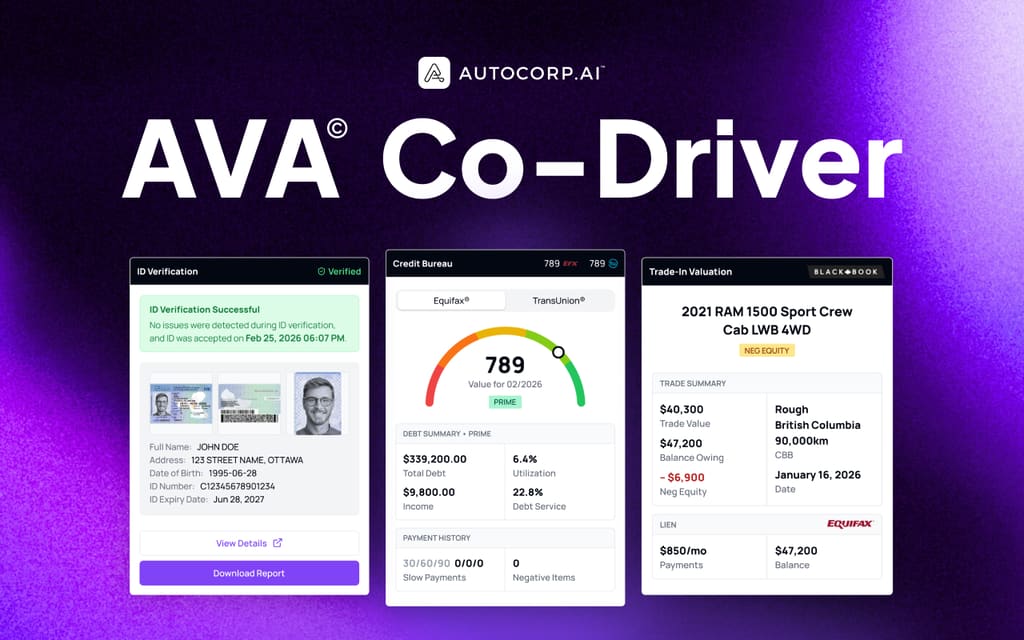



Understanding buyer behaviour has always been one of the biggest challenges in automotive retail. Today’s shoppers move fast, switch channels often, and expect dealerships to anticipate their needs before they ever set foot in the showroom. This is where dealership CRM data plays a critical role. When used correctly, it becomes more than a contact database. It turns into a powerful source of insight that helps dealerships predict buyer behaviour, prioritize opportunities, and close more deals.
Key Takeaways
- Dealership CRM data helps predict buyer behavior by tracking lead activity, preferences, and past interactions across the full sales journey.
- Clean, complete CRM records make it easier to spot buying signals, such as visit frequency, email engagement, and intent-based actions.
- Predictive use of CRM data lets sales teams prioritize high-intent leads, time follow-ups better, and improve closing rates.
- CRM insights support more personal outreach, like tailored offers and follow-ups that match each shopper’s needs and stage.
- When sales, marketing, and BDC teams all use the same CRM data, the dealership builds a repeatable process that turns raw data into more sales.
Why dealership CRM data matters more than ever
A modern dealership CRM collects and organizes nearly every interaction a customer has with your store. From website form fills and phone calls to credit activity and follow up history, this data creates a complete picture of how shoppers move through the buying journey. Instead of relying on gut instinct or generic sales scripts, dealerships can use CRM insights to understand intent, timing, and likelihood to purchase.
As competition increases and margins tighten, dealerships that leverage CRM data gain a meaningful advantage. Predicting buyer behaviour allows teams to focus time and effort on the right prospects, reduce wasted outreach, and create more relevant conversations with customers.
The CRM data points that signal buyer intent
Not all CRM data is created equal. Certain data points are especially valuable when it comes to predicting buyer behaviour.
Engagement activity is one of the strongest indicators. This includes email opens, link clicks, SMS replies, inbound calls, and repeat website visits. A shopper who engages consistently over a short period is often closer to a purchase decision than one who fills out a single form and goes quiet.
Timing and frequency also matter. CRM data can show how quickly a customer responds to follow ups and how often they interact with your dealership. Faster response times and increasing activity usually signal rising interest.
Vehicle and pricing interactions provide another layer of insight. When a customer views the same vehicle multiple times, asks about availability, or inquires about payments, it suggests narrowing intent. CRM systems that track this behaviour allow sales teams to tailor conversations accordingly.

How financial and credit signals improve predictions
Credit related data adds a powerful dimension to dealership CRM insights. Soft pull credit activity, payment range exploration, and finance related interactions help determine whether a shopper is realistically positioned to buy.
When this data is captured inside the CRM, it becomes easier to separate casual shoppers from serious buyers. Sales teams can prioritize leads that show both engagement and financial readiness, improving efficiency and closing rates.
Identifying patterns across the buyer journey
One of the biggest advantages of dealership CRM data is its ability to reveal patterns at scale. While individual interactions are useful, trends across hundreds or thousands of customers create actionable insight.
For example, CRM reporting may show that buyers who respond to an SMS within the first hour are far more likely to convert. It may also reveal that customers who engage with finance options early in the journey close at higher rates.
These insights allow dealerships to refine follow up timing, messaging strategies, and sales workflows. Over time, CRM driven patterns help standardize what works best across the entire team.
Personalizing outreach with CRM insights
Personalization plays a major role in influencing buyer behaviour. Dealership CRM data allows communication to match where a customer is in their journey.
Early stage shoppers may benefit from educational content or inventory browsing assistance. Highly engaged buyers may respond better to payment discussions, availability confirmations, or trade in conversations. CRM driven personalization builds trust and keeps buyers moving forward.

Aligning sales and marketing using CRM data
Dealership CRM data connects sales and marketing performance. Marketing teams can identify which channels generate high intent buyers, not just form fills. Sales teams gain valuable context around how a lead entered the system and what content they engaged with.
AVA® reads credit, trade, and ID data and delivers it right where your team works. Take the tour.
Book a demo →This alignment allows dealerships to optimize marketing spend and predict buyer behaviour based on acquisition source and engagement quality.
The role of automation and AI in CRM predictions
Automation and AI enhance the predictive power of dealership CRM data. Automated workflows can trigger follow ups based on behaviour, while AI tools analyze large data sets to uncover trends humans may miss.
These tools do not replace sales teams. Instead, they support better decision making by surfacing the right information at the right time.
Turning CRM insights into measurable results
Data only matters if it leads to action. Dealerships should regularly review CRM reports, adjust workflows, and train teams to recognize buying signals.
Consistency in data entry and follow up processes is essential. Clean, accurate CRM data leads to more reliable predictions and better outcomes.
Frequently Asked Questions About Dealership CRM Data And Buyer Behavior
How does dealership CRM data help predict buyer behavior?
Dealership CRM data groups every shopper’s action, such as web visits, form fills, calls, and showroom visits, into one record. When you look at this activity over time, patterns appear. You can see how often a shopper returns, which vehicles they look at, and how they respond to emails or texts. Those patterns help staff estimate how close someone is to buying and what type of outreach works best.
What types of CRM data are most useful for predicting who will buy?
The most useful CRM data includes lead source, website behavior, vehicle interests, engagement with emails or texts, appointment history, and past purchase or service records. Data points like “opened quote email,” “booked test drive,” or “viewed finance page” are strong buying signals. When these are tracked in one place, the system and the team can focus on the leads most likely to close.
How can sales teams use CRM insights to prioritize leads?
Sales teams can sort and filter leads in the CRM by behavior and engagement. For example, they can view all leads who opened a price quote in the last 48 hours, or all shoppers who visited a VDP three times in a week. Those leads should go to the top of the call or text list. This focus keeps reps from guessing and helps them work the hottest opportunities first.
Why is data quality in the dealership CRM so important?
Bad or missing data breaks predictions. If phone numbers, email addresses, vehicle interests, or visit logs are wrong, the CRM can’t show real intent patterns. When teams log every call, update notes, and keep contact fields accurate, the system becomes a reliable source for timing offers, follow-ups, and appointments. Clean data leads to better decisions and fewer missed deals.
How can dealerships start using CRM data for more personalized follow-ups?
Dealerships can build simple rules in the CRM that trigger actions based on buyer behavior. For example, send a follow-up message when a lead views the same model three times, or alert a salesperson when a shopper opens a quote but does not reply. Staff can also use saved views that show key preferences, like model interest and budget range, so they can reference the right vehicles and offers in their calls and emails.
The future of buyer behaviour prediction in dealerships
As automotive retail continues to evolve, dealership CRM data will play an even greater role in predicting buyer behaviour. Customers expect speed, transparency, and relevance. CRM driven insights make this achievable at scale.
Dealerships that treat their CRM as a strategic asset gain a clearer understanding of who is ready to buy, when to engage, and how to close more deals consistently. Predicting buyer behaviour is no longer guesswork. With the right dealership CRM strategy, it becomes a repeatable competitive advantage.