
Starting a career in automotive sales can feel overwhelming. Today’s buyers are more informed, more digital, and more selective than ever. By 2026, most customers will research vehicles online, compare pricing across multiple dealerships, check reviews, and even explore financing options before stepping into the showroom.
That means training new car salespeople requires more than teaching a traditional “meet and greet” process. Dealerships need to focus on communication, technology, transparency, and long term relationship building.
If you are a sales manager looking to train new hires or a new salesperson wanting to improve quickly, these updated strategies will help you succeed in today’s automotive market.
One of the biggest mistakes new car salespeople make is talking too much. Modern car buyers do not want a scripted pitch. They want to feel heard.
Encourage new sales staff to ask open ended questions:
Listening builds trust. When customers feel understood, they relax. And relaxed customers are more likely to buy.
Strong listening skills also help uncover real motivations. Is the buyer focused on safety for their growing family? Monthly payment? Fuel efficiency? Understanding this early prevents wasted time later.
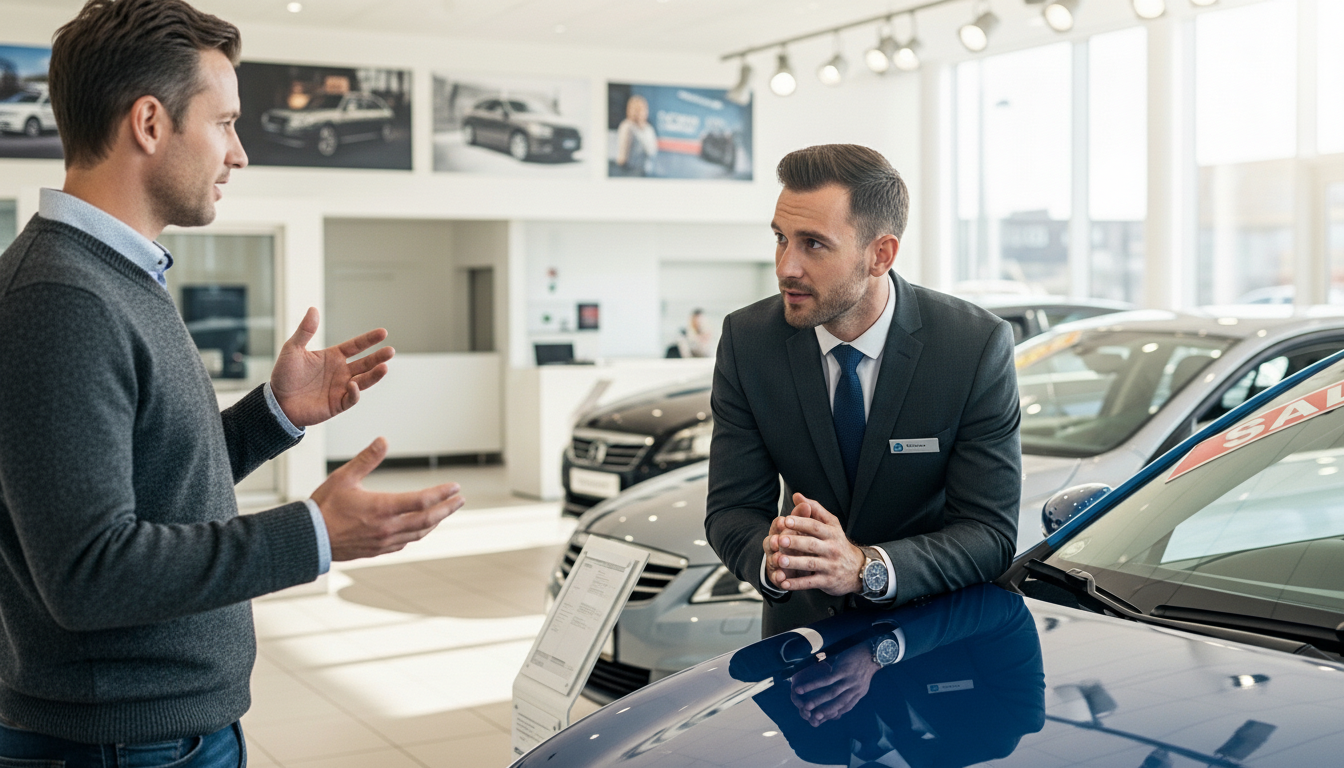
Rapport in 2026 is about authenticity. Customers can quickly sense when someone is being fake.
Train new salespeople to look for natural connection points. Maybe the customer mentions hockey, road trips, commuting downtown, or needing more space for kids. Use that information to personalize the experience.
A personalized walkaround that connects features to lifestyle always outperforms a generic product pitch.
Product knowledge still wins deals.
New salespeople must understand:
Customers often arrive knowing the specs. If the salesperson cannot confidently answer questions, credibility drops immediately.
Encourage daily inventory reviews. Have new hires practice explaining key features in simple language. Expertise builds confidence, and confidence builds trust.
Objections are not rejection. They are buying signals.
Common objections in 2026 include:
Instead of pushing back, train salespeople to clarify and solve.
For example:
Confidence in handling objections separates average salespeople from top performers.
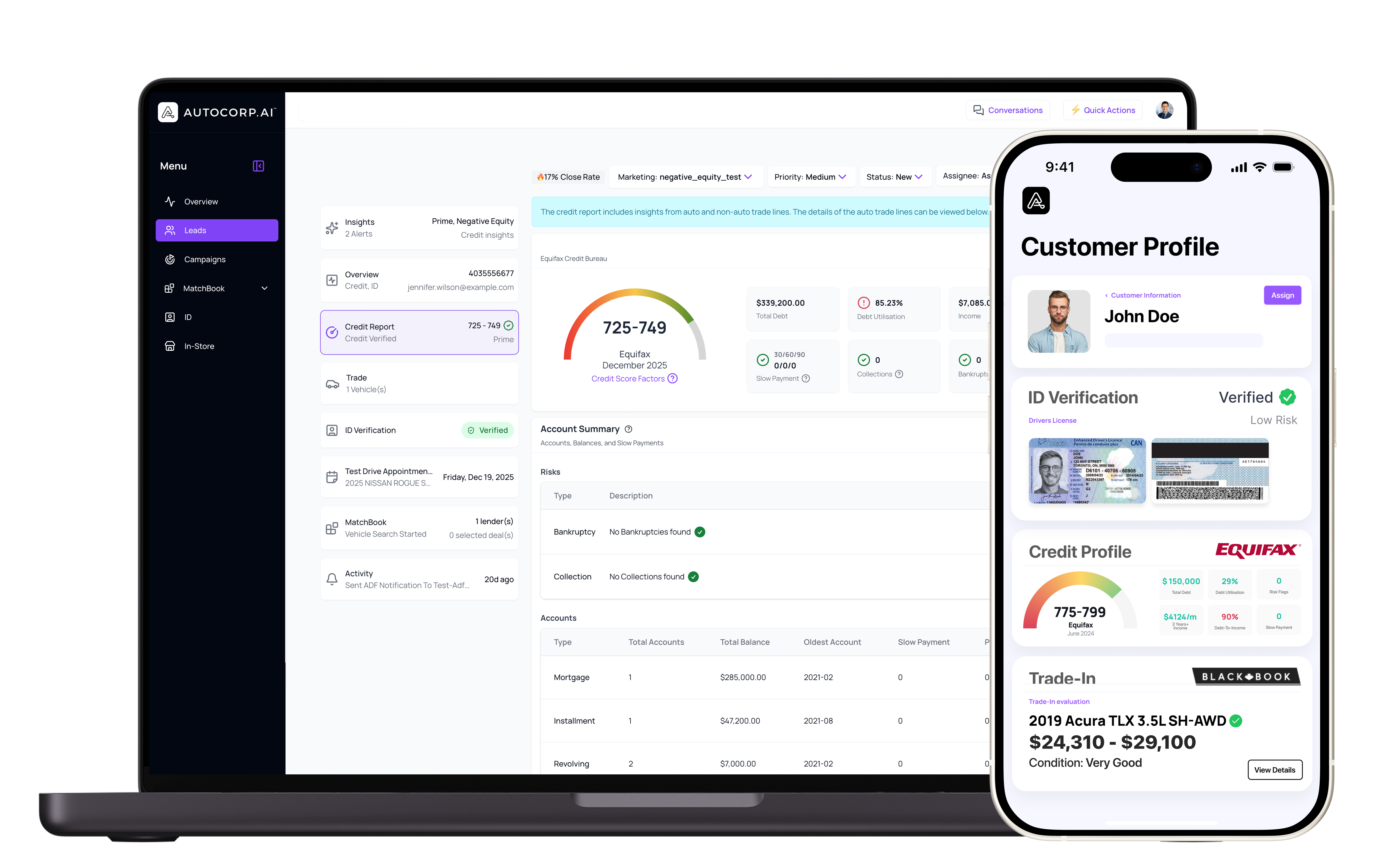
Automotive retail is more digital than ever. New salespeople must be comfortable using:
Fast follow up matters. If a lead comes in at 8:00 PM, the first salesperson to respond professionally often wins the appointment.
Technology is not replacing salespeople. It is helping them move faster and stay organized.
Vehicle pricing is dynamic. Inventory shortages, EV incentives, interest rates, and regional demand all impact pricing.
Train new hires to understand:
When salespeople understand the “why” behind pricing, they can explain it confidently instead of sounding defensive.
The automotive industry has worked hard to move past outdated stereotypes. In 2026, transparency is expected.
Encourage new salespeople to:
A single dishonest interaction can damage online reviews and long term reputation. On the other hand, honest communication creates repeat customers and referrals.
Selling the car is only the beginning.
Successful dealerships train new salespeople to:
Repeat customers are easier to sell than new ones. A strong follow up process increases lifetime customer value and referral volume.

Customers will shop around. That is normal.
Teach new hires to speak respectfully about other dealerships. Avoid negative comments. Instead, focus on what makes your dealership strong, whether it is service, selection, pricing strategy, or customer experience.
Professionalism builds credibility.
The automotive industry changes quickly. EV growth, AI driven tools, digital retailing, and shifting consumer expectations mean continuous education is critical.
Encourage new salespeople to:
Growth mindset separates long term professionals from short term employees.
Helping new salespeople sell cars in 2026 requires structure, coaching, and modern tools. Focus on communication skills, product expertise, technology adoption, and ethical selling.
When dealerships invest in proper training, they reduce turnover, improve customer satisfaction, and increase closing ratios.
Strong salespeople are not born. They are developed through repetition, mentorship, and consistent accountability. With the right foundation, any motivated new hire can become a top performer in today’s competitive automotive market.