 Activix
  AutoTrader
  Black Book
  CarGurus
  Equifax
  TransUnion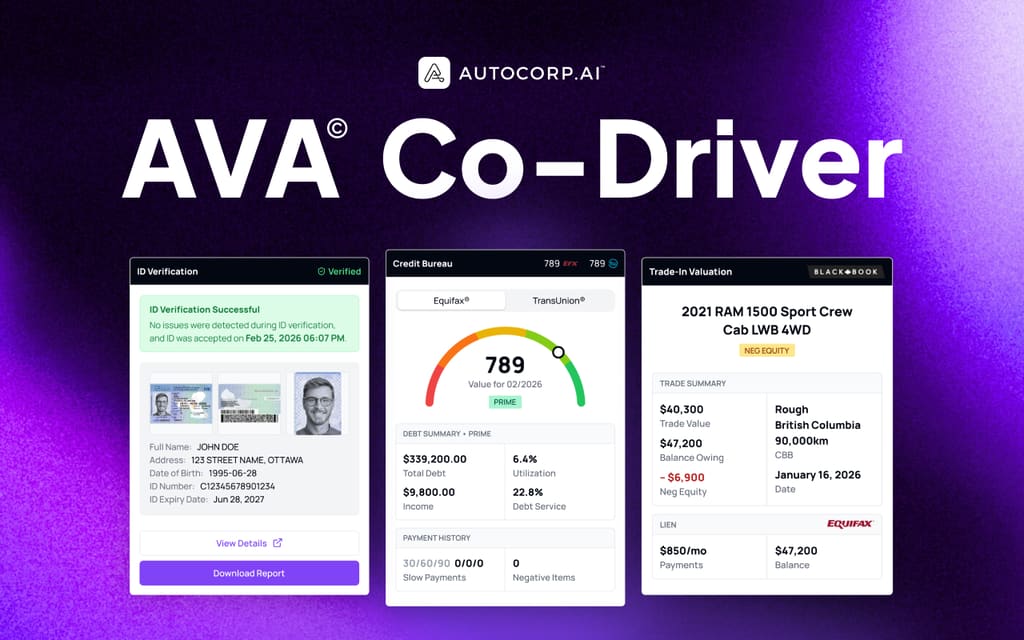

.jpeg)
The automotive industry has evolved rapidly over the past decade. Digital retailing, AI driven tools, and more informed buyers have changed how dealerships operate. Yet one challenge remains stubbornly consistent: employee retention, especially among sales teams.
High turnover continues to be one of the biggest pain points for dealerships. When salespeople leave, it disrupts customer relationships, slows momentum, and increases hiring and onboarding costs. While many dealers point to the fast paced nature of auto sales as the cause, the reality is that a lack of structured training is often at the root of the problem.
Training at your dealership is no longer optional. It is a critical investment in performance, culture, and long term growth.
Why dealership training is often overlooked
When training comes up, dealerships tend to fall into one of two camps.
The first is believing their current training is already sufficient. In many cases, this means basic manufacturer training combined with a short shadowing period with a manager or senior salesperson. After a few days, new hires are expected to perform on their own.
The second mindset is viewing training as a waste of resources due to high turnover. The logic is understandable. Why invest time and money into training someone who might leave?
The problem is that this approach often creates the very turnover dealerships are trying to avoid. Without clear guidance, structure, and mentorship, salespeople feel unsupported and overwhelmed. Many leave not because they dislike the industry, but because they were never set up to succeed.
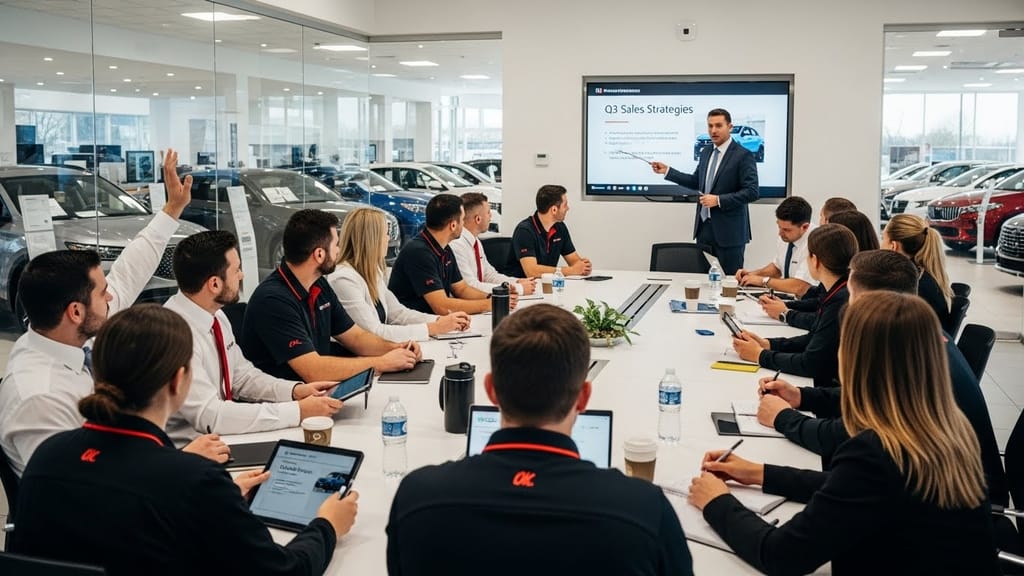
Training is a retention strategy
Effective training does more than improve sales skills. It creates confidence, consistency, and accountability. Salespeople who understand the process, the tools, and expectations are far more likely to stay engaged and perform at a higher level.
Training also signals that the dealership is invested in its people. When employees feel supported and see a path for growth, loyalty increases and turnover decreases.
To build a strong training foundation, dealerships should focus on these core areas.
Product knowledge training
In today’s market, customers often arrive at the dealership already informed. They have researched models, features, pricing, and reviews online. Salespeople must be able to go beyond surface level information.
Product training should include hands on experience with every vehicle on the lot. Sales teams should be comfortable using infotainment systems, safety features, driver assist tools, and connected technology. Struggling to demonstrate features during a walk around undermines credibility and trust.
Ongoing product training ensures salespeople can confidently answer questions and position vehicles based on real customer needs.
Professional demeanor and communication
How your team communicates matters just as much as what they sell. Customers expect professionalism, respect, and patience, especially when making a major financial decision.
Salespeople should be trained to communicate clearly, avoid slang or inappropriate language, and handle objections calmly. Defensive or reactive behavior can quickly derail a deal.
AVA® tells you who's ready to buy before your team lifts a finger. See the workflow.
Book a demo →Identify experienced team members who excel at professional communication and have them mentor newer staff. Modeling the right behavior is one of the most effective training tools available.
CRM and process training
CRM adoption remains a challenge at many dealerships. When salespeople do not fully understand the system, leads slip through the cracks and follow up becomes inconsistent.
Every new hire should complete CRM training as part of onboarding. Most CRM providers offer built in learning tools that cover navigation, lead management, follow up, and reporting.
A salesperson who is confident using the CRM is more organized, more efficient, and better equipped to manage relationships. This directly impacts close rates and customer satisfaction.
Ongoing coaching and mentorship
Training should not stop after the first few weeks. Continuous coaching helps reinforce best practices and correct issues early.
Regular one on one check ins, role playing sessions, and performance reviews keep salespeople aligned and motivated. Mentorship also creates a support system that reduces burnout and frustration.
When training becomes part of the dealership culture, improvement becomes consistent rather than reactive.

Investing in external training resources
Providing access to outside training shows your team that their growth matters. Covering the cost of relevant courses, certifications, or workshops can have a significant impact on morale and retention.
Recommended resources include:
- NADA training programs
- NCM and dealer 20 groups
- CRM vendor training libraries
- Professional sales trainers
- Automotive focused online communities and groups
These resources expose your team to new ideas and best practices while reinforcing the skills learned in house.
Training drives long term dealership success
Dealership training is not just about selling more cars this month. It is about building a team that performs consistently, adapts to change, and delivers a better customer experience.
Well trained employees are more confident, more efficient, and more likely to stay. Over time, this reduces hiring costs, improves customer loyalty, and strengthens dealership culture.
In an industry where technology and buyer expectations continue to evolve, training is the foundation that allows dealerships to grow without constantly starting over.