 Activix
  AutoTrader
  Black Book
  CarGurus
  Equifax
  TransUnion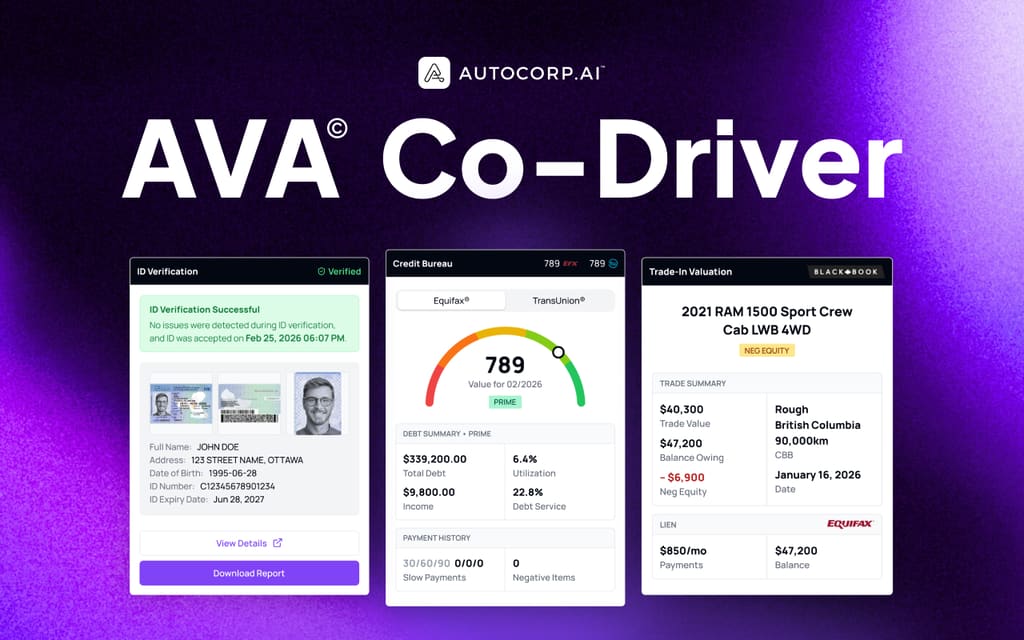


Google Ads remains one of the most powerful tools car dealers can use to drive real, in-market buyers to their website and showroom. But in 2026, running profitable Google Ads for car dealerships requires more than setting a budget and hoping for clicks.
Higher competition, smarter shoppers, tighter margins, and increased use of AI across the buying journey mean dealerships must be more intentional than ever with their advertising strategy. The goal is not more traffic. The goal is better traffic that converts into test drives, applications, and sales.
Here is how car dealers can optimize Google Ads in 2026 to generate higher quality leads, control costs, and stay competitive.
Key Takeaways
- A clean Google Ads account structure (separate campaigns by intent, tight ad groups, clear naming) improves relevance, Quality Score, and lead quality.
- In 2026, dealerships win with high intent campaign types, Search for model and offer queries, Vehicle Ads for live inventory, and short video for retargeting.
- Local targeting should match your real selling area, use location extensions, and adjust bids by distance to cut wasted spend.
- Accurate conversion tracking (forms, calls, chat, credit pre qual starts, VDP views) is required for smart bidding and reliable optimization.
- Fresh inventory feeds (daily updates, sold vehicle removal, accurate pricing and mileage) improve trust, CTR, and Vehicle Ads performance.
Build a Clean, Scalable Google Ads Account Structure
Your Google Ads account structure is the foundation of performance. A poorly organized account wastes budget, confuses Google’s algorithm, and makes optimization difficult.
Best practices for dealership account structure include:
• Separate campaigns by intent, such as new vehicles, used vehicles, service, and brand search
• Break out high volume models into their own campaigns
• Group ad sets tightly by model, trim, or offer
• Avoid “catch-all” ad groups that mix unrelated searches
For example, searches for “used Toyota RAV4 AWD” should never live in the same ad group as “used sedans near me.” Specificity improves relevance, Quality Score, and conversion rates.
Naming conventions also matter. Campaign and ad group names should clearly reflect what the shopper is searching for, not internal dealership language.
Focus on High-Intent Campaign Types
In 2026, the most effective Google Ads for car dealers prioritize buyer intent over reach.
Search Campaigns
Search remains the highest intent channel. These ads capture shoppers actively looking for vehicles, dealerships, or financing.
Best uses for search campaigns include:
• Model-specific keywords
• Brand plus location searches
• Finance and lease offers
• Credit pre-qualification searches
Search ads should include clear calls to action, pricing context when possible, and location extensions.
Vehicle Ads
Vehicle ads continue to be one of the strongest performing formats for dealers. They show live inventory directly in Google search results, including price, mileage, and photos.
To succeed with vehicle ads:
• Keep inventory feeds updated daily
• Remove sold vehicles immediately
• Ensure pricing matches your website
• Use high-quality photos
Vehicle ads work best when paired with search campaigns, capturing shoppers at different stages of readiness.
Video Campaigns
Short video ads are increasingly effective for retargeting shoppers who have already visited your website or vehicle detail pages.
Focus on quick, informative clips such as:
• Walkarounds
• Feature highlights
• Limited-time offers
Avoid long branding videos. The goal is reinforcement and recall, not storytelling.
Master Local Targeting and Visibility
Car buying is still local, even in a digital-first world. Google Ads should be tightly aligned to your physical market.
Key local optimization strategies include:
• Targeting a defined radius around your dealership
• Using location extensions with accurate hours
• Enabling call and message extensions
• Adjusting bids based on distance
Showing ads to shoppers outside your selling area wastes budget and lowers conversion rates. Precision wins.
Keywords, Match Types, and Quality Score Still Matter
While automation has increased, keywords remain critical in 2026.
Strong keyword strategy includes:
• Grouping keywords by model, intent, or offer
• Using phrase and exact match for core terms
• Adding negative keywords regularly
• Aligning ad copy directly with keyword intent
Quality Score impacts how often your ads show and how much you pay per click. Higher relevance leads to lower costs and better positioning.
Avoid generic copy like “Best Deals Available.” Instead, use specific language such as “Certified Used Honda CR-V Under 50k Miles.”
AVA® converts your website and campaign traffic into buyers with real credit intent. Walk through it.
Book a demo →Conversion Tracking Is Non-Negotiable
If you are not tracking conversions correctly, you are guessing.
In 2026, every dealership should be tracking:
• Form submissions
• Phone calls
• Chat engagements
• Credit pre-qual starts
• Vehicle detail page views
GA4 and Google Ads conversion tracking must be properly configured and tested regularly. Without accurate data, automated bidding strategies cannot perform effectively.
Use AI Bidding Strategically, Not Blindly
Google’s AI bidding tools have improved significantly, but they still require oversight.
Effective bidding strategies include:
• Target CPA for lead generation campaigns
• Target ROAS for fixed inventory or service offers
• Manual bidding during testing phases
AI works best when conversion data is clean and consistent. It performs poorly when tracking is incomplete or when campaigns mix high and low intent actions.
Review performance weekly and make adjustments based on lead quality, not just cost per lead.
Keep Inventory Feeds Fresh and Accurate
Outdated inventory damages trust and performance.
Best practices for inventory feeds include:
• Daily or real-time updates
• Automatic removal of sold vehicles
• Accurate pricing and mileage
• Consistent data across website and ads
Fresh inventory improves ad relevance, click-through rates, and shopper confidence.
Budget Allocation Should Reflect Buyer Behaviour
Smarter budget allocation leads to more efficient results.
Consider:
• Increasing bids during evenings and weekends
• Allocating more budget to high-converting models
• Reducing spend on low-intent keywords
• Separating brand and non-brand campaigns
Review search term reports frequently to identify wasted spend and optimization opportunities.
Frequently Asked Questions About Google Ads for Car Dealerships in 2026
What Google Ads campaign types work best for car dealerships in 2026?
Search campaigns and Vehicle Ads tend to drive the highest intent traffic because they match shoppers who are actively looking for a specific vehicle, offer, or dealer. Video campaigns work well for retargeting people who already visited your site or vehicle detail pages. The best mix usually pairs Search and Vehicle Ads for demand capture, then uses video to bring interested shoppers back.
How should a dealership structure a Google Ads account?
Separate campaigns by intent, such as new vehicles, used vehicles, service, and brand search. Split high volume models into their own campaigns, and keep ad groups tight by model, trim, or offer. Avoid catch all ad groups that mix unrelated searches, because they reduce relevance and make optimization harder.
What conversions should dealerships track to improve lead quality?
Track form submissions, phone calls, chat engagements, credit pre qual starts, and vehicle detail page views. Make sure GA4 and Google Ads conversion tracking are set up correctly and tested, because automated bidding needs clean conversion data to work well.
How do Vehicle Ads perform better for dealerships?
Vehicle Ads perform best with accurate, up to date inventory feeds. Update feeds daily (or in real time), remove sold vehicles right away, match pricing to your website, and use high quality photos. This improves ad relevance and trust, and it helps shoppers compare options faster.
How can dealerships avoid wasting budget with local targeting?
Target a defined radius around the dealership and adjust bids based on distance. Use location extensions with correct hours, and enable call and message extensions for easy contact. Showing ads outside your selling area usually lowers conversion rates and burns budget.
Conclusion
Optimizing Google Ads for car dealers in 2026 requires clarity, structure, and ongoing refinement. The dealerships that win are not the ones spending the most, but the ones using data, intent, and automation intelligently.
Focus on clean account structure, high-intent campaigns, strong local targeting, accurate tracking, and fresh inventory feeds. When done correctly, Google Ads becomes a predictable engine for test drives, applications, and real sales.
Better ads do not just bring more leads. They bring the right buyers, at the right time, with the right expectations.
That is how Google Ads should work in 2026.