 Activix
  AutoTrader
  Black Book
  CarGurus
  Equifax
  TransUnion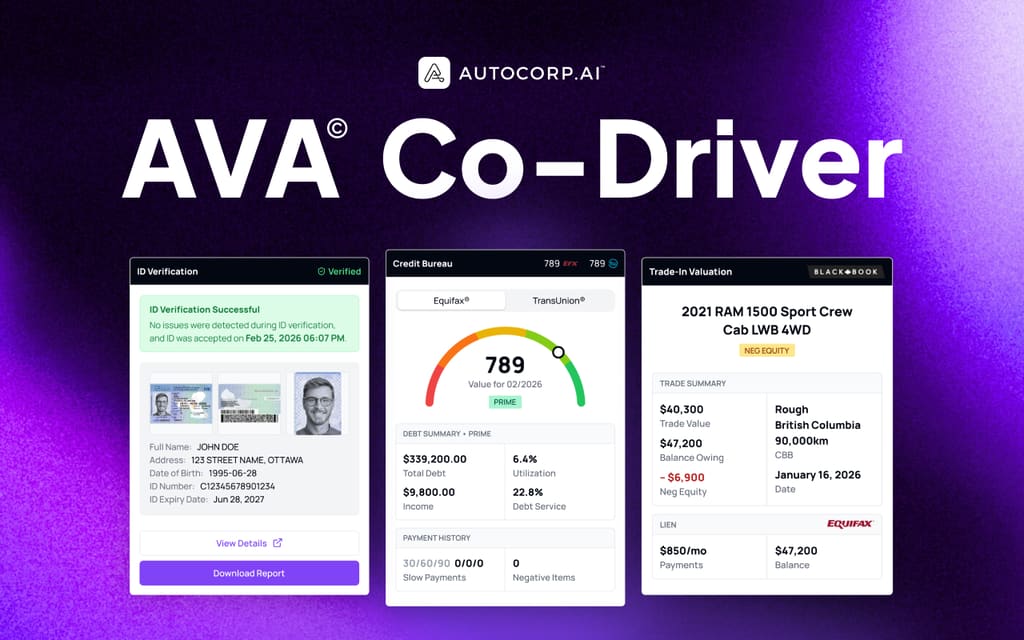

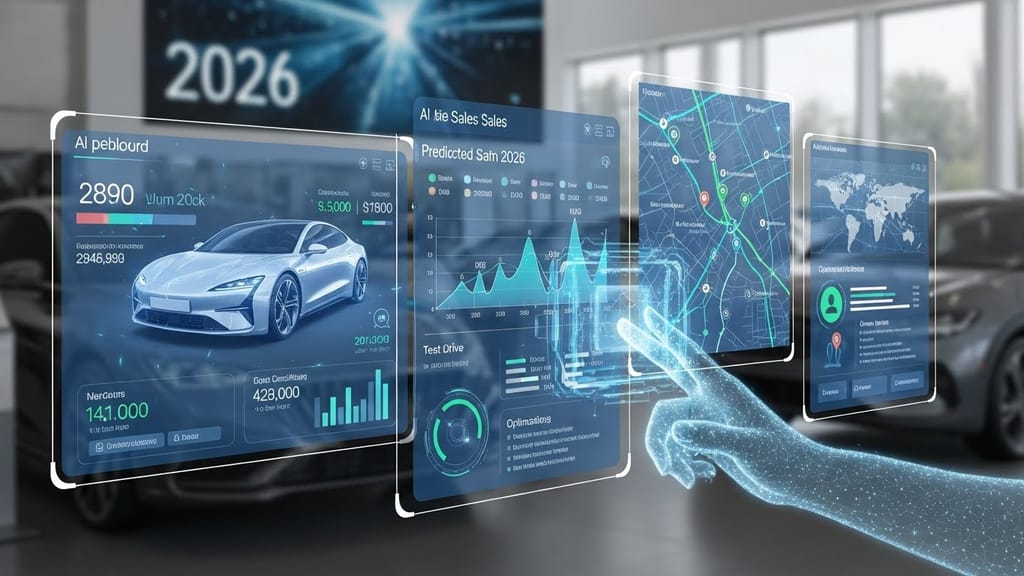
Artificial intelligence is no longer a future concept in automotive retail. By 2026, AI is embedded into nearly every part of the car buying journey, from lead generation and follow up to financing and customer communication. For car salespeople, this shift presents a major opportunity. Those who learn how to work with AI tools instead of around them will sell more vehicles, manage time better, and create stronger customer relationships.
Key Takeaways
- In 2026, AI supports nearly every step of the car buying journey, from lead scoring to follow up and financing handoffs.
- AI lead scoring helps salespeople focus on high intent shoppers, reducing wasted outreach and improving close rates.
- AI improves follow up by suggesting the best times to call, text, or email based on customer behaviour.
- AI helps personalize messages fast by summarizing customer preferences, budget signals, and prior conversations in the CRM.
- The top performers use AI for routine tasks and insights, while keeping the human connection front and center.
The key is understanding how to use AI as a support system, not a replacement. Below are practical tips to help car salespeople leverage AI effectively in 2026.
Use AI to prioritize the right leads
One of the biggest challenges in car sales has always been deciding where to spend time. AI driven systems now analyze lead behaviour, engagement history, and intent signals to highlight which shoppers are most likely to buy.
Instead of treating every lead the same, salespeople can use AI insights to focus on high intent prospects. These tools look at actions like repeated website visits, response timing, vehicle interest, and credit readiness to surface stronger opportunities.
By trusting AI powered lead scoring, salespeople reduce wasted outreach and increase close rates by engaging buyers at the right moment.
Improve follow up timing with AI insights
Timing matters in automotive sales. AI tools now track when customers are most likely to respond based on past interactions. This helps salespeople follow up when messages are more likely to be opened, read, and answered.
Rather than guessing when to call or text, AI recommends optimal follow up windows. This improves response rates and reduces frustration for both the salesperson and the customer.
Salespeople who use AI assisted timing appear more attentive and responsive without increasing their workload.
Personalize conversations at scale
AI allows salespeople to personalize communication without manually reviewing every detail in a customer record. Modern CRM systems use AI to summarize key information like vehicle preferences, budget indicators, trade in interest, and communication history.
This makes it easier to tailor conversations quickly. Instead of generic follow ups, salespeople can reference specific models, payment ranges, or past questions that matter to the shopper.
Personalization builds trust and keeps conversations relevant, which is especially important as buyers expect more tailored experiences in 2026.
Leverage AI for better product knowledge
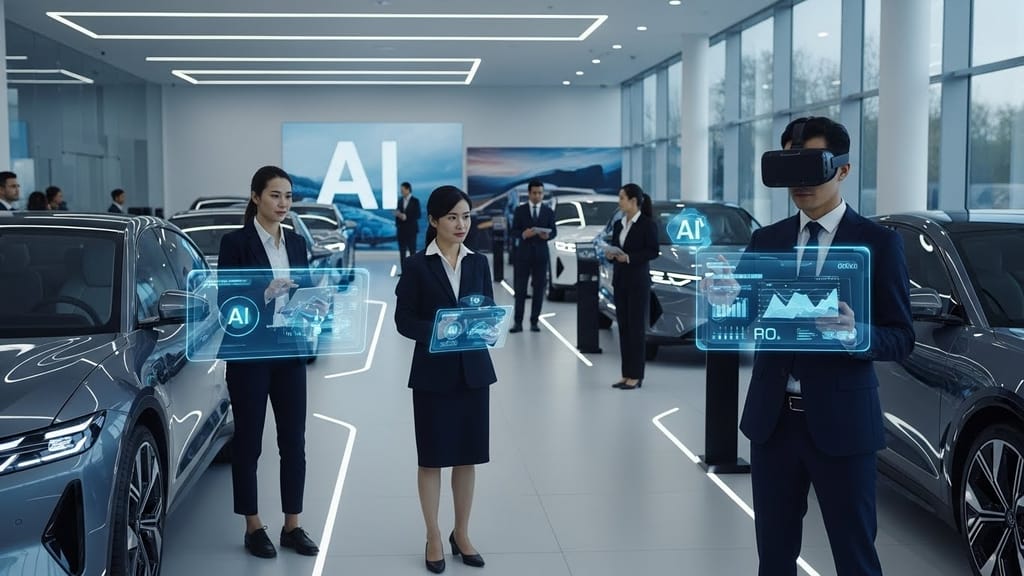
AI powered assistants are becoming valuable tools for quick answers during sales conversations. Whether it is vehicle specifications, trim comparisons, or feature explanations, AI can provide instant information without interrupting the flow of the conversation.
This allows salespeople to stay confident and accurate even when dealing with complex inventory. Rather than stepping away to look something up, AI tools help salespeople respond in real time.
The result is smoother conversations and a more knowledgeable impression with customers.
Use AI to understand buyer intent earlier
AI helps identify where a shopper is in the buying journey. Some customers are still researching, while others are close to making a decision. AI analyzes behaviour patterns to determine intent levels.
This insight allows salespeople to adjust their approach. Early stage shoppers may benefit from education and reassurance, while high intent buyers may be ready for payment discussions or test drive scheduling.
Understanding intent prevents pushing customers too hard too soon and improves overall engagement quality.
Let AI handle routine tasks
Administrative tasks take time away from selling. AI driven automation helps handle repetitive work like logging interactions, updating CRM records, sending reminders, and triggering follow ups.
By letting AI manage these tasks, salespeople gain more time for meaningful conversations and relationship building. This reduces burnout and increases productivity without adding pressure.
In 2026, efficient salespeople are those who let technology handle the background work.
AVA® reads credit, trade, and ID data and delivers it right where your team works. Take the tour.
Book a demo →Use AI insights to collaborate with managers and finance teams
AI tools create shared visibility across departments. Salespeople can use AI generated insights to collaborate more effectively with managers and finance teams.
For example, knowing a customer’s engagement level and financial readiness helps align expectations before moving into financing discussions. This reduces surprises and creates smoother handoffs between departments.
Better internal alignment leads to faster deals and improved customer experiences.
Stay human while using AI
The most important rule for leveraging AI in car sales is remembering that technology supports the human connection. AI should enhance conversations, not replace them.
Customers still want empathy, honesty, and trust. Salespeople who use AI insights to listen better and respond more thoughtfully will stand out in an increasingly digital environment.
AI provides information, but relationships close deals.
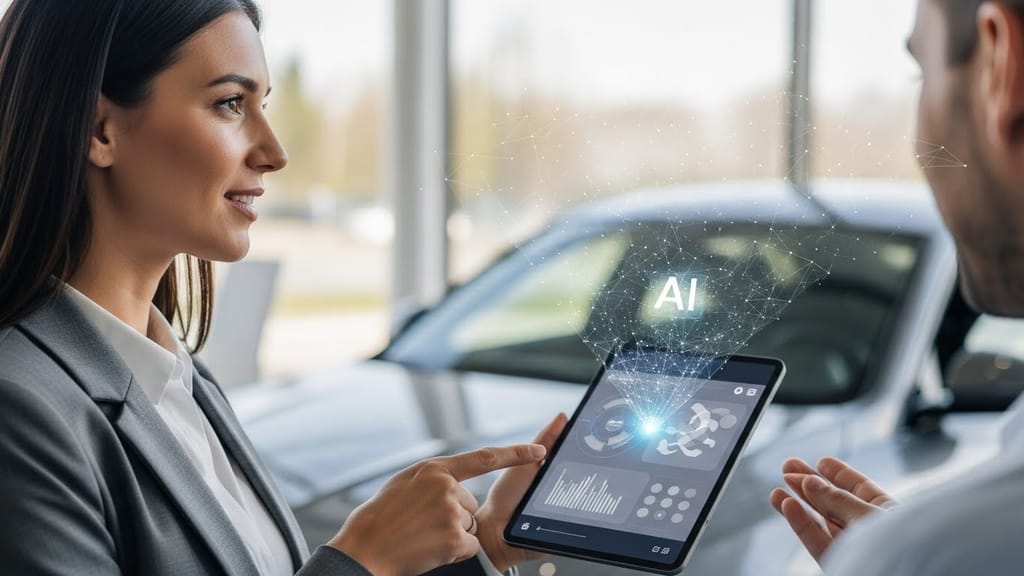
Commit to continuous learning
AI tools evolve quickly. Salespeople who succeed in 2026 will be those who stay curious and open to learning new features and workflows.
Dealerships that provide ongoing training around AI tools empower their teams to adapt and improve. Salespeople should take advantage of this training and ask questions about how AI recommendations are generated.
Understanding the technology builds confidence and ensures it is used effectively.
Frequently Asked Questions About Using AI in Car Sales
How does AI help a car salesperson close more deals?
AI helps by flagging high intent leads, improving follow up timing, and summarizing customer info so conversations stay relevant. It also reduces manual tasks like logging notes and sending reminders, which frees up time for selling.
What data does AI use to prioritize leads in automotive sales?
AI tools typically look at behaviour and engagement signals such as repeat website visits, response timing, vehicle interest, and indicators tied to readiness (including financial or credit related signals when available in your systems). The output is a lead score or ranked list to guide outreach.
How can AI improve follow up without annoying customers?
AI recommends outreach windows based on when a customer usually responds. That helps salespeople contact shoppers at better times instead of guessing, which can increase reply rates and reduce repeated pings.
How do salespeople use AI to personalize communication at scale?
Modern CRMs can summarize details like preferred models, budget indicators, trade in interest, and prior questions. Salespeople can use those summaries to write messages that reference what the shopper actually cares about, instead of sending generic follow ups.
Will AI replace car salespeople in 2026?
No. AI provides speed, summaries, and signals, but it does not replace empathy, trust, and listening. The article’s core point is that AI should support the salesperson, not replace the relationship.
Final thoughts
AI is reshaping automotive sales, but it does not eliminate the need for skilled salespeople. Instead, it raises the bar. Car salespeople who embrace AI gain better insight, improved efficiency, and stronger customer relationships.
By using AI to prioritize leads, personalize conversations, improve timing, and reduce administrative work, salespeople can focus on what matters most, helping buyers make confident decisions.
In 2026, success in car sales will belong to those who combine human expertise with intelligent technology.