 Activix
  AutoTrader
  Black Book
  CarGurus
  Equifax
  TransUnion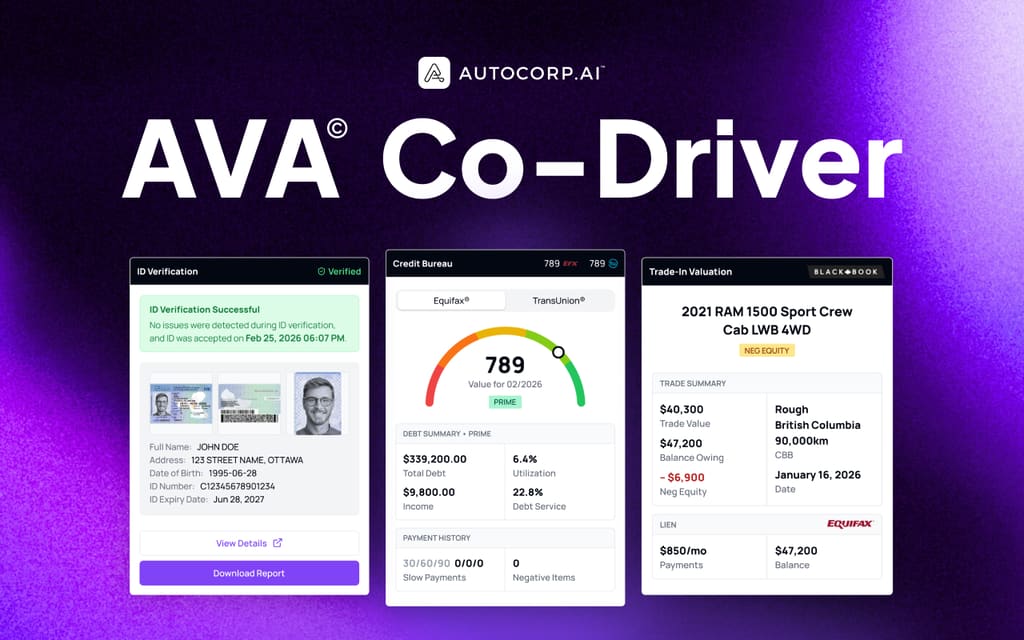


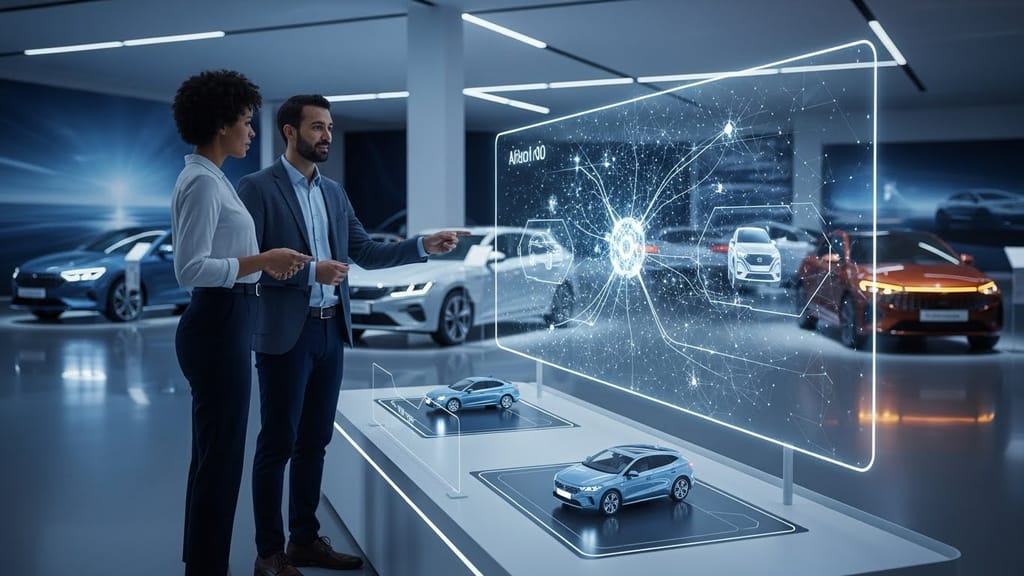
Artificial intelligence is no longer a future concept in the automotive industry. It is already transforming how dealerships attract shoppers, manage operations, and close more deals. From predictive analytics to personalized customer journeys, AI in automotive sales is helping dealerships work smarter while meeting rising consumer expectations.
Key Takeaways
- AI helps dealerships sell more cars by scoring leads, personalizing offers, improving pricing, and speeding up customer replies.
- AI lead scoring ranks shoppers by intent using behavior data (pages viewed, engagement, past history) so reps focus on buyers most likely to close.
- Predictive analytics uses CRM and market patterns to forecast demand, spot upsell and trade-in chances, and guide inventory choices.
- AI pricing tools compare market signals (competitor pricing, vehicle age, demand) to recommend prices and flag aging inventory early.
- AI chat, text, email, and voice tools handle common questions and follow-ups fast, while staff focuses on real conversations.
As digital retail continues to evolve, AI has become a critical tool for dealerships looking to stay competitive, improve efficiency, and drive higher profitability. This article explores how artificial intelligence is reshaping auto sales and why adoption is accelerating across the industry.
Why AI Matters in Modern Auto Sales
Car buyers today are more informed, more digital, and less patient than ever before. They expect fast responses, personalized offers, and seamless experiences across online and in store channels.
Artificial intelligence enables dealerships to analyze massive amounts of data quickly, identify patterns, and make better decisions in real time. Instead of relying on gut instinct or outdated reports, sales teams can use AI driven insights to engage the right customer with the right message at the right moment.
AI Powered Lead Management and Scoring
One of the most impactful applications of AI in automotive sales is intelligent lead management.
Traditional lead handling often treats every inquiry the same. AI changes that by scoring leads based on behavior, intent, and likelihood to buy. These systems analyze factors such as browsing activity, vehicle views, engagement history, and past purchase data.
By prioritizing high intent shoppers, dealerships can:
- Respond faster to serious buyers
- Reduce wasted effort on low quality leads
- Improve overall closing ratios
AI driven lead routing also ensures inquiries are assigned to the most appropriate salesperson based on experience, availability, or previous success with similar customers.

Personalization at Scale for Car Buyers
Personalization is no longer optional in auto sales. AI allows dealerships to deliver customized experiences without increasing workload.
Artificial intelligence can tailor vehicle recommendations, payment options, and follow up messaging based on each shopper’s preferences and behavior. For example, AI can recognize when a customer is focused on monthly payment rather than vehicle price and adjust offers accordingly.
This level of personalization helps dealerships build trust, shorten the sales cycle, and increase customer satisfaction.
Predictive Analytics for Smarter Sales Decisions
Predictive analytics is another area where AI is reshaping automotive sales strategies.
By analyzing historical dealership CRM data, AI can forecast buyer behavior, identify trends, and anticipate future demand. Sales managers can use these insights to:
- Predict which customers are likely to purchase soon
- Identify opportunities for upsells or trade ins
- Adjust pricing and incentives proactively
Predictive models also help dealerships optimize inventory by understanding which vehicles are most likely to sell in specific markets or seasons.
AI in Pricing and Inventory Optimization
Inventory management has become more complex due to supply chain challenges and shifting consumer demand. AI tools help dealerships strike the right balance between availability and profitability.
Artificial intelligence analyzes market data, competitor pricing, vehicle age, and demand signals to recommend optimal pricing strategies. This helps dealerships stay competitive without unnecessary discounting.
AI can also flag aging inventory early, allowing managers to take action before vehicles sit too long and lose value.
Enhancing Customer Communication with AI
AI driven communication tools are transforming how dealerships engage with customers across email, text, chat, and voice.
These systems can automatically respond to common questions, schedule appointments, and follow up with shoppers based on behavior. Unlike basic automation, AI learns over time, improving message timing and relevance.
Benefits include:
AVA® reads credit, trade, and ID data and delivers it right where your team works. Take the tour.
Book a demo →- Faster response times
- Consistent messaging across channels
- Increased engagement without overwhelming staff
When implemented correctly, AI enhances human interaction rather than replacing it, allowing sales teams to focus on meaningful conversations.
Improving the F and I Process with AI
Artificial intelligence is also making an impact in finance and insurance.
AI tools can analyze customer profiles to recommend appropriate financing options, protection products, and payment structures. This helps streamline the F and I process while improving transparency and compliance.
By presenting offers that align with customer needs, dealerships can increase product penetration while creating a more positive buying experience.
.jpeg)
Data Security and Ethical Considerations
As dealerships adopt AI, data security and ethical use are becoming increasingly important.
Dealerships must ensure customer data is protected, used responsibly, and compliant with privacy regulations. Transparency about how data is collected and applied builds trust and reduces risk.
Choosing AI solutions that prioritize security, explainability, and responsible data use is essential for long term success.
The Future of AI in Automotive Sales
AI adoption in automotive sales is still evolving. As technology advances, dealerships can expect even more sophisticated tools that integrate sales, marketing, operations, and customer experience into a unified ecosystem.
Future innovations may include deeper predictive insights, voice based AI assistants, and more seamless online to offline buying journeys.
Dealerships that invest in AI today position themselves to adapt faster, compete more effectively, and deliver experiences modern car buyers expect.
Frequently Asked Questions About AI in Automotive Sales
What is AI in automotive sales?
AI in automotive sales is the use of software that learns from data to improve how dealerships market, sell, and support car buyers. In this article, that includes lead scoring, personalized recommendations, predictive analytics, pricing and inventory guidance, customer messaging, and F and I support.
How does AI lead scoring work for car dealerships?
AI lead scoring ranks incoming leads based on signals tied to buying intent. The article’s examples include browsing activity, vehicle views, engagement history, and past purchase data. Dealers use the scores to respond faster to serious buyers, cut time spent on low-quality leads, and improve close rates.
How does AI personalize the car buying experience?
AI personalizes the experience by adjusting recommendations and messages based on what a shopper does and prefers. The article example is a shopper who cares most about monthly payment, AI can shift the offer and follow-up to match that goal instead of focusing on vehicle price.
How does AI help with pricing and inventory?
AI uses market data, competitor pricing, vehicle age, and demand signals to recommend pricing that stays competitive without constant discounting. It can also flag aging units early so the store can act before vehicles sit too long and lose value.
What should dealerships watch out for when using AI?
Data security and ethical use matter. The article calls out protecting customer data, following privacy rules, and being clear about how data is collected and used. It also recommends choosing tools that support security, explainability, and responsible data use.
Final Thoughts
AI in automotive sales is no longer a competitive advantage reserved for large dealer groups. It is becoming a necessity for dealerships of all sizes.
By leveraging artificial intelligence to improve lead management, personalization, pricing, and communication, dealerships can increase efficiency while creating better customer experiences. The key is thoughtful implementation, focusing on practical use cases that align with dealership goals.
As the automotive industry continues its digital transformation, AI will play an increasingly central role in shaping how vehicles are bought and sold.