 Activix
  AutoTrader
  Black Book
  CarGurus
  Equifax
  TransUnion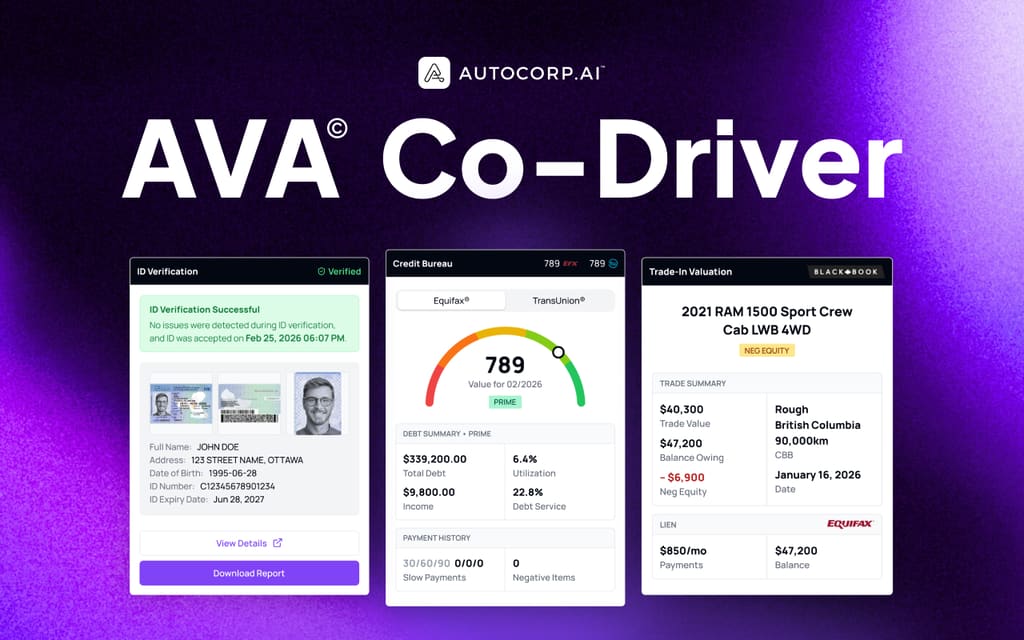




The auto finance world is entering a new era. Buyers expect faster approvals, lenders need stronger risk management, and dealerships want smoother workflows that eliminate unnecessary friction. At the center of all this progress is AI credit decisioning, a fast-maturing technology that is reshaping how credit is evaluated, approved, and delivered.
By 2026, AI will no longer be an experimental advantage but a core requirement for modern auto financing. Understanding how these systems work and why they matter will help dealerships stay ahead of competitors and provide customers with the seamless experience they now expect.
Key Takeaways
- AI credit decisioning evaluates more data than human underwriters, so it delivers faster and more consistent lending decisions.
- Dealerships that use AI credit tools speed up approvals, cut drop-off rates, and give buyers a smoother, more confident shopping experience.
- AI models support fairer lending by using behavior-based data and consistent rules, which reduces human bias and supports compliance.
- Fraud-focused AI systems spot identity theft and synthetic IDs earlier, which protects lenders, dealers, and customers from bad deals.
- Dealers that adopt AI-driven decisioning, soft pulls, and cleaner workflows now will win more deals and stay ahead of slower competitors.
This article explores the future of AI credit decisioning, how it improves underwriting accuracy, why customers prefer it, and what dealerships can do today to prepare for the shift.
Why AI Credit Decisioning Is Becoming Essential
Traditional credit decisioning depends on manual review. Human underwriters evaluate credit scores, income, credit depth, and other financial factors. While this method has worked for decades, it is slow and leaves room for inconsistencies.
AI credit decisioning changes that by analyzing far more data with far greater precision. It can evaluate risk signals that humans might miss, detect patterns across millions of data points, and return decisions in seconds instead of hours or days.
For dealerships, this means faster approvals and fewer customers dropping out of the process because they are waiting for next steps. For lenders, it means stronger risk assessment and a better understanding of consumer behaviour.

How AI Improves Credit Accuracy and Fairness
One of the biggest benefits of AI-powered credit evaluation is the ability to move beyond a single score. Instead of relying only on a traditional credit score, AI models evaluate a much broader set of indicators:
- Spending patterns
- Payment behaviour
- Employment stability
- Cash flow data
- Risk signals and fraud indicators
- Vehicle preference and historical auto loan performance
This richer data set allows the algorithm to build a more complete picture of the applicant. In many cases, it can even help approve customers who would be overlooked under traditional methods because their credit file is thin or their scoring model does not reflect their actual financial reliability.
AI also supports fairness. Properly designed models can remove human bias, apply consistent criteria, and ensure that decisions are based on behaviour and risk indicators rather than subjective impressions. As regulators continue to push for fair lending practices, this consistency becomes even more valuable for lenders and dealerships.
Faster Approvals and a Stronger Customer Experience
Speed is one of the biggest competitive advantages in auto retail. When a customer applies for financing, they want an answer quickly. Long wait times create stress and give buyers more time to shop elsewhere.
AI credit decisioning allows dealerships to:
- Pre-qualify customers earlier in the process
- Move buyers into financing faster
- Reduce the time spent waiting for lender approvals
- Lower abandonment rates both online and in-store
- Deliver a more transparent and predictable buying experience
When buyers know their real financial position earlier, they shop with confidence. Dealers can tailor vehicle recommendations to match the customer’s actual buying power and avoid situations where a deal falls apart late in the process due to unexpected financing issues.

Strengthening Fraud Prevention and Identity Verification
AI credit decisioning also plays a key role in fraud detection. Identity theft, synthetic IDs, and falsified employment documents continue to rise in auto finance. Lenders and dealerships need tools that can quickly flag suspicious patterns.
AI systems can analyze signals such as:
AVA® reads credit, trade, and ID data and delivers it right where your team works. Take the tour.
Book a demo →- Device behaviour
- Geolocation inconsistencies
- Document manipulation
- Patterns associated with synthetic identities
- Multiple attempts using similar personal data
This analysis helps identify fraudulent applications far earlier in the process and prevents dealerships from wasting time on deals that will never fund. As financial fraud becomes more sophisticated, AI will be one of the strongest defenses available to both dealers and lenders.
How AI Strengthens Lender and Dealer Collaboration
The future of dealership technology is built on smooth, connected workflows. AI credit decisioning supports this by creating cleaner, more standardized data for both parties.
Better data means:
- More accurate lender decisions
- Fewer back-and-forth requests for additional documents
- Cleaner deal submissions
- Faster funding
- Fewer errors and reduced manual entry
For dealership finance managers, this translates into real time savings. Instead of spending hours each day managing paperwork and chasing lender responses, they can focus on closing more deals and improving the customer experience.
Predictive Insights and Smarter Inventory Decisions
AI credit decisioning also provides insights that go beyond traditional financing. Dealerships can use aggregated decisioning data to understand trends in their market such as:
- Which credit tiers are most active
- Which customers are the most likely to buy
- What price ranges buyers qualify for
- Which vehicles sell fastest among approved shoppers
This allows dealers to plan inventory around actual buyer demand rather than speculation. If data shows a surge in qualified mid-tier credit buyers, dealership ordering strategies can shift accordingly. AI makes these insights more accessible and more reliable.
Preparing Your Dealership for the Future of AI Decisioning
AI credit decisioning is not a distant vision. It is already being used across major industries, and auto finance is accelerating quickly toward widespread adoption.
Dealerships can prepare by:
- Introducing soft pull tools that pre-qualify customers early
- Reducing manual processes in the F&I workflow
- Improving digital lead capture and online financing experiences
- Investing in ID verification and fraud prevention tools
- Training sales and F&I teams on new decisioning workflows
- Creating customer-friendly processes that match instant approvals
Dealers who adopt AI-enabled workflows early will be positioned to win more deals, reduce friction, and give customers the modern experience they expect.

The Road Ahead
AI credit decisioning will transform auto finance over the next few years. Faster approvals, more accurate lending models, stronger fraud detection, and smoother experiences will become the new standard.
Dealerships that embrace these advancements will not just keep pace with the industry. They will outperform competitors, build deeper trust with buyers, and create a digital retailing journey that feels simple, transparent, and stress free.
The future of auto financing is intelligent, data driven, and customer centered. AI is leading the way, and the dealerships that adapt today will be the ones shaping tomorrow’s market.