 Activix
  AutoTrader
  Black Book
  CarGurus
  Equifax
  TransUnion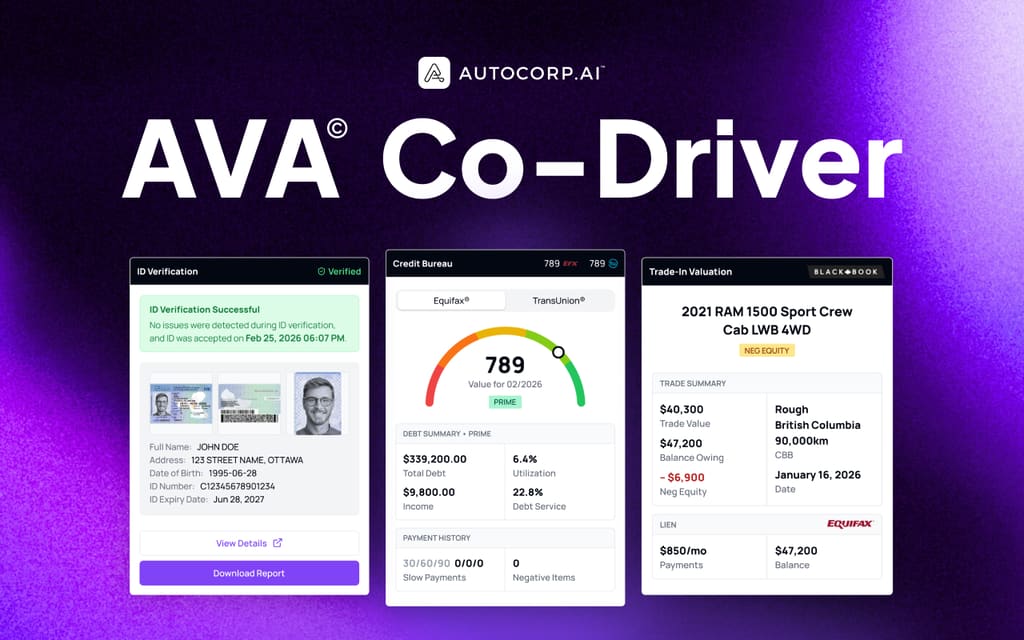


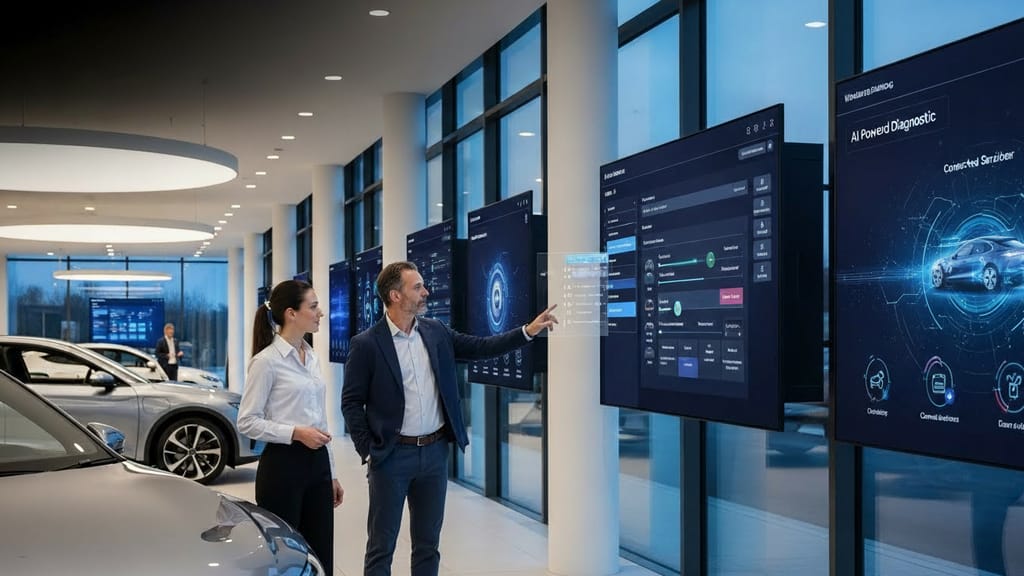
As dealerships look ahead to 2026, one thing is clear: automotive retail is becoming more data-driven, more competitive, and more digital by the day. Buyer expectations continue to rise, margins are under pressure, and the traditional sales funnel is evolving fast.
Key Takeaways
- Dealerships win in 2026 by building a strong digital foundation, fast site speed, low-friction forms, clean CRM integrations, and solid dealership SEO visibility.
- Lead quality beats lead volume, prioritize credit-qualified leads so your team spends time on buyers who can actually buy.
- Use dealership data (lead source quality, response time, drop-off points, conversions) to make decisions based on performance, not gut feel.
- Align sales and finance earlier to reduce late-stage surprises, speed approvals, and improve the customer experience.
- New tools only work if people use them, train teams often, assign clear ownership, and track simple KPIs tied to process gains.
Dealerships that succeed in 2026 won’t necessarily be the ones spending the most on marketing or hiring the largest teams. They’ll be the ones using smarter automotive technology to work more efficiently, prioritize the right opportunities, and deliver a better buying experience.
Here’s how dealerships can position themselves for success in 2026 by making smarter technology decisions today.
Build a stronger digital foundation
Your dealership’s digital presence is no longer just a marketing tool, it’s often the first interaction a customer has with your brand. From online research to lead submission, buyers expect speed, clarity, and convenience.
Heading into 2026, dealerships should take a close look at:
- Website performance on mobile and desktop
- Lead forms and friction points
- CRM integrations and data flow
- Visibility for dealership SEO keywords
If your systems don’t talk to each other cleanly, opportunities get lost. A strong digital foundation ensures every shopper interaction feeds accurate, usable data into your dealership workflow.
Shift the focus from lead volume to lead quality
One of the biggest mindset shifts dealerships need to make in 2026 is moving away from lead volume as the primary success metric. More leads don’t automatically mean more deals, especially when sales teams are overwhelmed with low-intent inquiries.
Modern automotive technology allows dealerships to focus on credit qualified leads, not just basic internet leads. Understanding a buyer’s financial readiness earlier helps teams prioritize follow-up and spend time on shoppers who are more likely to convert.
Solutions like AVA™ Credit support this approach by helping dealerships identify credit-qualified buyers earlier in the journey. Instead of treating every lead the same, teams can focus on higher-intent opportunities and have more informed conversations from the start.
By prioritizing lead quality, dealerships can:
- Improve close rates without increasing ad spend
- Reduce time wasted on unqualified follow-ups
- Shorten the overall sales cycle
- Create a smoother experience for both customers and staff
In 2026, success will be driven by converting fewer, better leads, not chasing more noise.
Use dealership data to guide decisions
Dealerships collect a massive amount of data, yet many still rely on instinct rather than insight. CRM data, response times, lead sources, and conversion rates all provide valuable signals about what’s working and what isn’t.
To set the right path for 2026, dealerships should analyze:
- Which lead sources generate the highest-quality buyers
- Where prospects drop off in the funnel
- How quickly teams respond to different lead types
- Which follow-ups actually result in appointments or deals
Smarter automotive technology makes it easier to turn raw data into actionable insights. When decisions are backed by real performance metrics, dealerships can improve efficiency without guessing.
Align sales and finance earlier in the journey
In many dealerships, sales and finance still operate in silos. This separation often leads to surprises late in the deal, slower approvals, and frustrated customers.
Bringing sales and finance closer together earlier in the process helps:
- Set realistic expectations for buyers
- Speed up approvals and funding
- Reduce deal restructuring late in the funnel
- Improve overall customer satisfaction
Understanding a buyer’s financial position earlier allows sales teams to guide customers toward vehicles that make sense, while finance managers can prepare more accurate options. Tools like AVA™ Credit help enable this alignment without adding friction to the buying experience.
Simplify the buying experience with smarter tech
Today’s buyers value transparency and speed. Complex processes, duplicate data entry, and unclear next steps push shoppers toward competitors.
AVA® reads credit, trade, and ID data and delivers it right where your team works. Take the tour.
Book a demo →As part of your 2026 strategy, focus on technology that:
- Centralizes conversations and customer data
- Reduces repetitive tasks for staff
- Makes next steps clear for buyers
- Keeps the deal moving without unnecessary delays
Smarter automotive technology isn’t about replacing people, it’s about freeing them up to focus on meaningful interactions instead of administrative work.

Invest in adoption, not just tools
Buying new technology is easy. Getting real value from it is harder.
To ensure success in 2026, dealerships should:
- Train teams consistently, not just at launch
- Clearly define ownership of leads and workflows
- Set realistic KPIs tied to process improvements
- Share wins tied to better use of technology
When teams understand how technology helps them close more deals with less effort, adoption improves naturally.
Prepare for ongoing change in auto retail
Automotive retail will continue to evolve beyond 2026. AI-driven insights, automation, and digital-first buying experiences are becoming standard, not optional.
Dealerships that stay flexible and proactive will:
- Adapt faster to market changes
- Protect margins in competitive markets
- Build stronger customer relationships
- Stay ahead of online-only competitors
The goal isn’t to chase every new trend, but to build a tech stack that supports long-term growth.
Frequently Asked Questions About Dealership Technology Strategy for 2026
What should dealerships focus on most for 2026 success?
Focus on fundamentals that increase conversion and reduce waste: a strong digital foundation, better lead quality, and smarter use of dealership data. Then tighten the handoff between sales and finance early, so deals do not stall late.
Why is lead quality more important than lead volume in 2026?
More leads do not mean more deals when your team is buried in low-intent messages. Prioritizing credit-qualified leads helps staff focus on buyers who are more likely to convert, which improves close rates without raising ad spend.
What data should a dealership track to make better decisions?
Track which lead sources produce the best buyers, where shoppers drop off in the funnel, response times by lead type, and which follow-ups lead to appointments or sales. These metrics show what to fix first and where to spend time and budget.
How does aligning sales and finance earlier improve the buying process?
Early alignment sets clearer expectations, reduces deal rework, and speeds approvals and funding. It also lowers customer stress because fewer surprises pop up near the finish line.
How can dealerships get more value from new technology tools?
Adoption drives results. Train consistently (not only at launch), define who owns each lead and workflow step, set realistic KPIs tied to the process, and share wins so the team sees the payoff.
Setting your dealership up for success in 2026
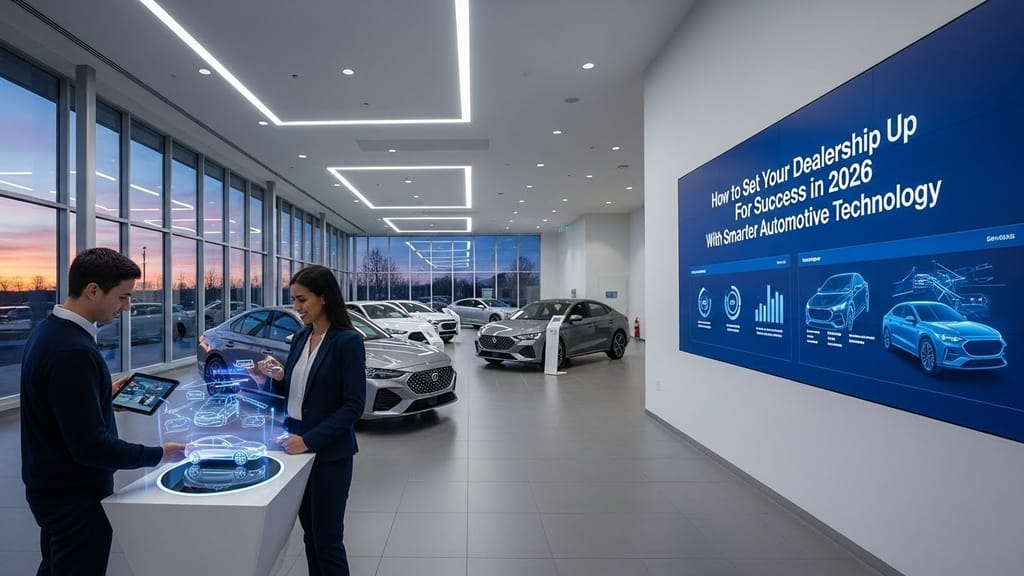
Setting your dealership up for success in 2026 starts with smarter choices today. By focusing on lead quality over volume, aligning sales and finance earlier, and using automotive technology to simplify workflows, dealerships can move into the new year with confidence.
Prioritizing credit qualified leads, leveraging better data, and supporting your team with the right tools will help ensure your dealership isn’t just keeping up, but leading the way.