 Activix
  AutoTrader
  Black Book
  CarGurus
  Equifax
  TransUnion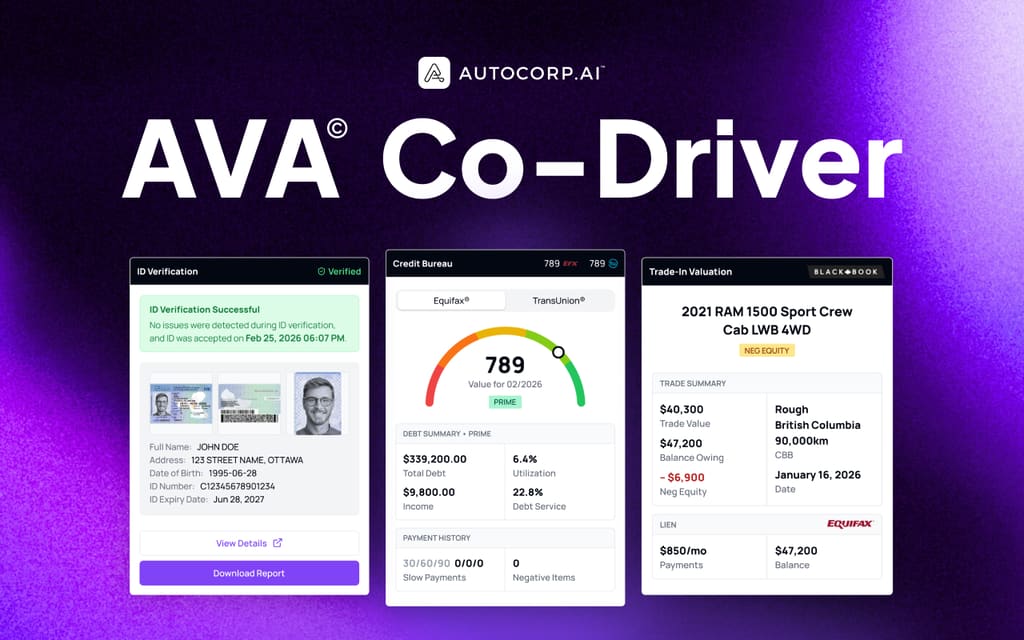



Automotive technology has become a defining force in how dealerships operate, market, and sell vehicles. What was once a business built largely on in person interactions and manual processes is now driven by data, automation, and connected systems. Today’s dealership must respond to faster buyer expectations, tighter margins, and increased competition from digital first retailers.
Key Takeaways
- Automotive technology helps dealerships prioritize high-intent leads by tracking behavior across calls, texts, email, and website activity.
- Centralized CRM data reveals buyer patterns (research time, top vehicles, purchase signals) so teams can time outreach better.
- Automation improves follow-ups and task consistency, freeing sales staff to focus on real conversations.
- Digital credit tools, including soft pull checks, add financing clarity earlier and reduce late-stage deal surprises.
- Shared sales and marketing data improves lead quality, personalization, and performance tracking across channels.
Rather than replacing the human side of car sales, automotive technology is reshaping how teams work, how customers engage, and how decisions are made. Dealers that embrace the right tools gain efficiency, clarity, and a stronger ability to compete in a rapidly changing market.
Below are seven key ways automotive technology is transforming dealerships today.
1. Smarter lead management and prioritization
One of the biggest challenges dealerships face is sorting through a high volume of leads to determine which shoppers are most likely to buy. Automotive technology has made this process far more intelligent.
Modern systems track buyer behaviour across websites, emails, texts, and phone calls. Instead of treating every lead the same, dealerships can see which shoppers are engaging consistently, viewing inventory repeatedly, or responding quickly to follow ups. These insights help sales teams focus on high intent opportunities rather than wasting time on cold or unresponsive leads.
Tools that integrate lead behaviour with financing signals, such as soft credit activity, further improve prioritization. This allows teams to identify buyers who are not only interested but also financially positioned to move forward.
2. Better use of data to understand buyer behaviour
Automotive technology has turned dealerships into data rich environments. Every interaction, from a website visit to a showroom appointment, can now be captured and analyzed.
When this data is centralized within a CRM or related platform, patterns begin to emerge. Dealers can see how long buyers typically stay in the research phase, which vehicles generate the most engagement, and what actions signal purchase readiness. Over time, this data helps dealerships predict buyer behavior more accurately.
Instead of relying on gut instinct, sales and marketing teams can base decisions on real evidence. This leads to better timing, more relevant outreach, and improved closing rates.

3. Automation that supports, not replaces, sales teams
Automation is one of the most impactful aspects of automotive technology, but its value lies in how it supports people, not in replacing them.
Automated follow ups, reminders, and workflows ensure that no lead is forgotten and no opportunity slips through the cracks. When a shopper views a vehicle multiple times or opens a pricing email, the system can trigger alerts or next steps automatically.
This frees sales teams to focus on conversations and relationship building rather than manual tasks. Automation creates consistency across the dealership while still allowing staff to personalize interactions when it matters most.
4. Improved financing transparency and efficiency
Financing has traditionally been one of the most complex parts of the car buying process. Automotive technology is making it more transparent and efficient for both dealers and customers.
Digital credit tools, including soft pull credit checks, allow shoppers to explore options without immediate impact on their credit score. For dealerships, these tools provide earlier insight into buyer readiness and realistic payment ranges.
Solutions like AVA™ Credit are examples of how technology can integrate credit insights directly into the sales workflow. When used correctly, this information helps sales and finance teams guide conversations more effectively and avoid late stage surprises that can derail deals.
5. Stronger alignment between sales and marketing
Automotive technology has narrowed the gap between sales and marketing departments. When both teams work from the same data, performance becomes easier to measure and improve.
Marketing teams can see which channels generate high quality leads rather than just form fills. Sales teams gain context around how a lead entered the system and what content or inventory sparked interest. This shared visibility allows dealerships to refine messaging, allocate budget more effectively, and improve lead quality over time.
Alignment also makes it easier to evaluate return on investment across digital campaigns, CRM usage, and third party tools.
6. Personalized customer experiences at scale
AVA® reads credit, trade, and ID data and delivers it right where your team works. Take the tour.
Book a demo →Personalization has become a key expectation for modern car buyers. Automotive technology allows dealerships to deliver relevant experiences without adding complexity.
CRM data can highlight a shopper’s preferred vehicle type, budget range, and stage in the buying journey. Early stage buyers may benefit from educational content or inventory suggestions, while high intent shoppers may respond better to pricing, availability, or financing discussions.
By tailoring outreach to individual needs, dealerships build trust and reduce friction. Personalization helps buyers feel understood rather than pressured, which plays a significant role in long term satisfaction and repeat business.

7. Operational efficiency and smarter decision making
Beyond sales and marketing, automotive technology is transforming dealership operations as a whole. Reporting dashboards and analytics tools provide visibility into performance that was once difficult to achieve.
Dealers can track response times, appointment show rates, closing percentages, and lead sources with clarity. These insights support better staffing decisions, process improvements, and training initiatives.
Over time, technology driven insights help dealerships move from reactive problem solving to proactive strategy. Small improvements across multiple areas can add up to significant gains in profitability and efficiency.
The evolving role of automotive technology in dealerships
Automotive technology continues to evolve alongside buyer expectations and industry pressures. The most successful dealerships are not those that adopt every new tool, but those that choose technology aligned with their goals and workflows.
Solutions that integrate seamlessly, support existing teams, and provide actionable insights deliver the greatest value. Whether it is CRM platforms, credit qualification tools, or AI driven analytics, the focus should remain on helping dealerships sell more efficiently and serve customers better.
Products like AVA™, when used as part of a broader technology strategy, demonstrate how data and automation can support smarter decisions without disrupting the sales process.
Frequently Asked Questions About Automotive Technology in Dealerships
What is automotive technology in a dealership context?
Automotive technology in dealerships includes tools like CRMs, analytics dashboards, automation workflows, and digital credit options. These systems track shopper behavior, support follow-ups, and help teams make decisions using real data instead of guesswork.
How does technology help dealerships prioritize leads?
Modern platforms track buyer behavior across websites, emails, texts, and phone calls. This shows which shoppers keep returning to inventory, respond to follow-ups, or signal strong interest. Some tools also add financing signals (like soft credit activity) to spot buyers who are ready and able to move forward.
What dealership tasks should be automated first?
Start with automated follow-ups, reminders, and lead workflows. These keep leads from slipping through the cracks and can trigger alerts when shoppers take key actions, like viewing a vehicle multiple times or opening pricing emails.
How do soft pull credit checks help the sales process?
Soft pull credit tools let shoppers explore financing without an immediate hit to their credit score. For dealers, they provide earlier insight into buyer readiness and payment ranges, which helps sales and finance teams set expectations sooner and avoid surprises late in the deal.
How does dealership tech improve the customer experience?
CRM data can support personalization at scale, like matching outreach to a shopper’s budget range, vehicle preferences, and buying stage. This reduces friction, builds trust, and makes buyers feel helped rather than pushed.
Looking ahead
As competition increases and margins remain tight, automotive technology will play an even greater role in shaping dealership success. Buyers will continue to expect speed, transparency, and personalization. Dealerships that invest in the right tools will be better positioned to meet those expectations.
The transformation is already underway. Automotive technology is no longer optional, it is a core component of how modern dealerships operate, compete, and grow.