 Activix
  AutoTrader
  Black Book
  CarGurus
  Equifax
  TransUnion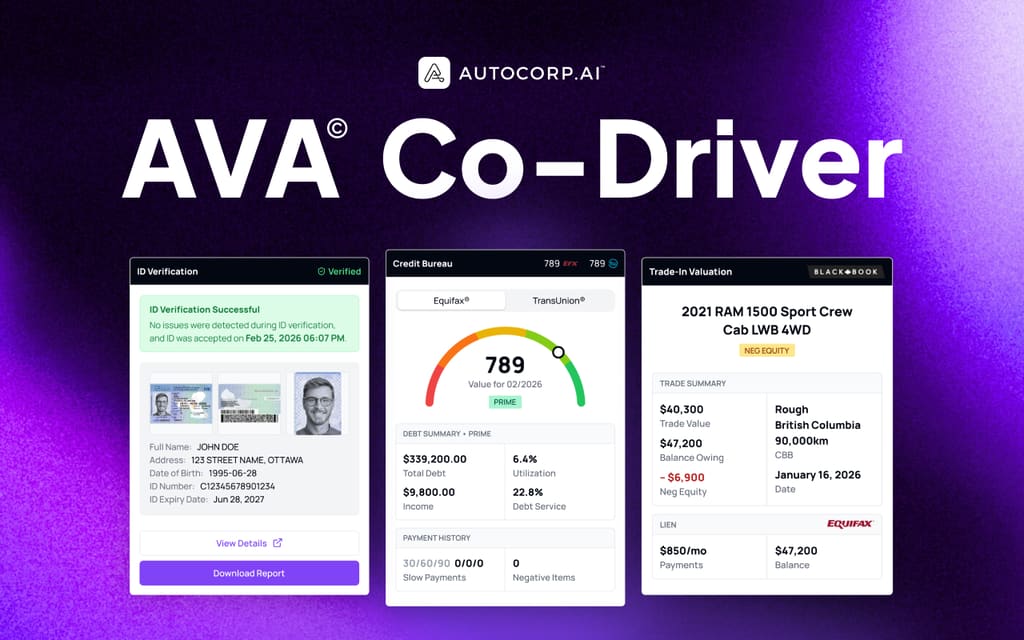



Modern dealerships run on data. From lead management and follow ups to marketing attribution and sales performance, the right technology can dramatically impact efficiency and profitability. At the centre of it all sits the automotive CRM, a system that connects people, processes, and customer insights into one operational hub.
With so many options available, choosing the right CRM can feel overwhelming. Understanding what to look for, and what to avoid, helps dealerships invest in technology that actually supports growth rather than creating more complexity.
Key Takeaways
- An automotive CRM should centralize leads, customer history, and follow-ups so nothing falls through the cracks.
- Choose a CRM based on dealership needs first (sales, service, BDC, marketing), then match features to those workflows.
- Prioritize clean integrations (DMS, website forms, inventory tools, call tracking, and email or SMS) to avoid duplicate work.
- Look for reporting that tracks lead sources, response times, appointment set rates, and close rates, not just “activity.”
- Strong onboarding, training, and support matter as much as features because adoption drives results.
Why Automotive CRM Systems Matter More Than Ever
Today’s car buyers interact with dealerships across multiple channels before ever stepping on the lot. They submit leads online, research vehicles, respond to marketing campaigns, and expect fast, relevant follow ups.
An effective automotive CRM helps dealerships:
- Capture and organize leads from every source
- Track customer interactions across sales and service
- Automate follow ups and task management
- Improve response times and consistency
- Measure performance at every stage of the funnel
Without a centralized system, critical opportunities slip through the cracks.
Core Features Every Dealership CRM Should Have
Not all CRM platforms are built for automotive retail. When evaluating solutions, it’s important to focus on features that support real dealership workflows.
Key capabilities to look for include:
- Lead source tracking and attribution
- Automated follow up sequences
- Sales pipeline visibility
- Task and activity management
- Customer communication history
- Reporting on lead quality and conversion
These features help sales teams stay organized while giving management visibility into what’s actually driving results.
CRM Integration With Dealership Systems
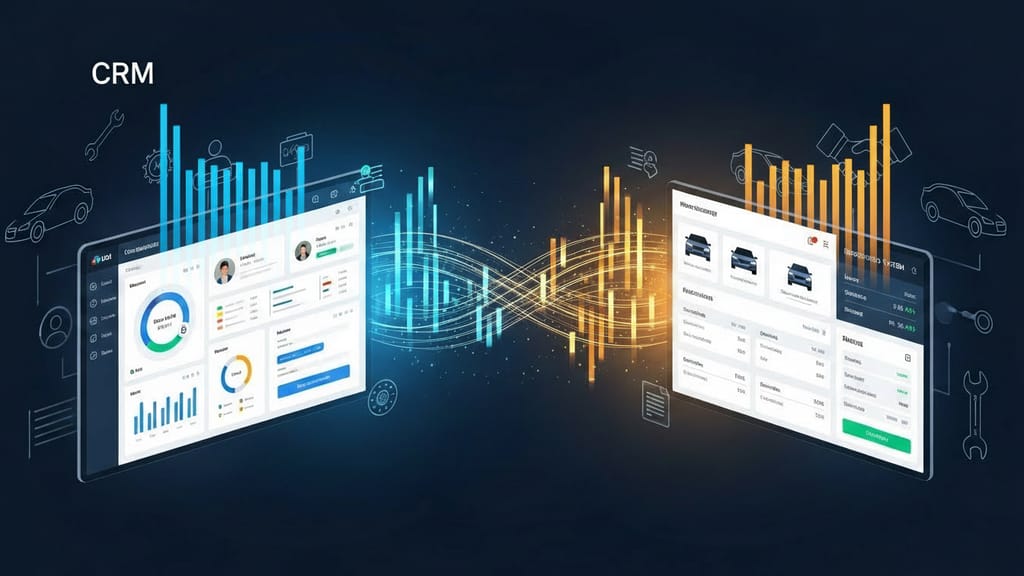
A CRM does not operate in isolation. It must connect seamlessly with the tools your dealership already uses.
Strong CRM systems integrate with:
- Dealer management systems
- Digital retail platforms
- Marketing and lead providers
- Inventory management tools
- Credit and finance workflows
When systems talk to each other, data flows smoothly and teams spend less time switching between platforms.
Improving Lead Quality and Sales Efficiency
One of the biggest benefits of a modern CRM is improved lead handling. Not all leads are equal, and treating them the same wastes time and resources.
With the right CRM in place, dealerships can:
- Prioritize high intent leads
- Segment customers based on behaviour
- Route opportunities to the right team members
- Reduce manual data entry
- Improve close rates with better timing
Better data leads to smarter conversations and more productive sales efforts.
Supporting Marketing and Customer Engagement
Marketing effectiveness depends on understanding which efforts drive results. Automotive CRM platforms play a critical role in connecting marketing activity to real outcomes.
CRM systems help dealerships:
- Track which campaigns generate leads
- Measure conversion rates by channel
- Identify messaging that resonates with buyers
- Re engage customers at the right time
- Build long term customer relationships
This insight allows marketing teams to invest in what works and eliminate wasted spend.
Reporting and Decision Making
Data without insight is useless. The best automotive CRM systems provide clear, actionable reporting that supports better decisions.
Useful reporting features include:
AVA® tells you who's ready to buy before your team lifts a finger. See the workflow.
Book a demo →- Lead volume and source performance
- Response time metrics
- Sales team activity tracking
- Conversion rates by stage
- Revenue attribution
These insights help managers coach effectively and identify process gaps before they become costly problems.

Common Mistakes Dealerships Make When Choosing a CRM
Despite good intentions, many dealerships struggle with CRM adoption. Avoiding common pitfalls can make all the difference.
Frequent mistakes include:
- Choosing software not built for automotive retail
- Overlooking ease of use and training needs
- Failing to integrate existing tools
- Ignoring reporting and analytics capabilities
- Implementing technology without clear processes
Technology should simplify operations, not complicate them.
Preparing Your Team for CRM Success
Even the best CRM will fail without buy in from your team. Successful adoption requires more than installation.
Dealerships should focus on:
- Clear process definition
- Sales and marketing alignment
- Ongoing training and support
- Leadership accountability
- Regular performance reviews
When teams understand how the CRM supports their success, adoption improves naturally.
The Future of Automotive CRM Technology
As artificial intelligence and automation continue to evolve, CRM platforms will become even more powerful.
Emerging trends include:
- Predictive lead scoring
- Automated customer engagement
- Deeper personalization
- Enhanced reporting powered by AI
- Stronger integrations across dealership systems
Dealerships that invest in flexible, scalable CRM technology will be better prepared for these advancements.
Frequently Asked Questions About Automotive CRM Systems
What is an automotive CRM, and how is it different from a general CRM?
An automotive CRM is built around dealership workflows like lead routing, follow-up sequences, appointment setting, and tracking a customer from first inquiry through purchase and service. A general CRM can work, but it often needs add-ons or custom setup to handle dealership-specific steps and reporting.
What features should a dealership prioritize when choosing a CRM?
Start with lead capture and routing, task and follow-up automation, customer history, and reporting tied to sales outcomes. Next, confirm integrations you already rely on (DMS, website forms, inventory, phones, and messaging). Finally, check usability, training, and support, because a powerful system nobody uses is just an expensive screen saver.
What integrations matter most for an automotive CRM?
The big ones are DMS integration (for customer and vehicle data), website lead forms, inventory feeds, call tracking, and email or SMS tools. If any of these don’t connect well, your team ends up copying and pasting data, and accuracy drops fast.
How can a dealership tell if a CRM is actually working?
Use metrics tied to outcomes, not just activity. Track response time, contact rate, appointment set rate, show rate, close rate, and sales by lead source. Also watch adoption, such as task completion and overdue follow-ups, because the best CRM only works when it gets used.
What are common mistakes dealerships make when picking a CRM?
Common mistakes include buying based on demos instead of real workflows, skipping integration checks, underestimating training time, and ignoring reporting needs until after launch. Another classic is adding too many tools that overlap, then wondering why data is messy.
Final Thoughts
Choosing the right automotive CRM is a strategic decision that impacts every department in the dealership. The right platform supports stronger lead management, better marketing insights, improved sales performance, and more confident decision making.
By focusing on integration, usability, reporting, and dealership specific functionality, dealerships can select CRM technology that drives measurable results today and scales for the future.