
Artificial intelligence is quickly becoming one of the most influential technologies shaping the future of automotive retail. What once sounded like a futuristic concept is now showing up in everyday dealership operations, from marketing automation to customer engagement and fraud detection.
For dealerships looking to stay competitive, understanding AI automotive trends is becoming increasingly important. Dealers that adopt smarter tools and data-driven processes are finding ways to close deals faster, improve customer experiences, and eliminate wasted time in the sales process.
Below are several AI automotive trends that dealerships should be paying attention to.
One of the biggest challenges in automotive retail is identifying which leads are actually ready to buy. Sales teams often spend hours following up with inquiries that never turn into serious opportunities.
AI tools are beginning to help dealerships analyze behavioural signals such as browsing activity, financing interest, and vehicle preferences to determine which shoppers are more likely to convert. Instead of treating every lead equally, dealers can prioritize the conversations that are most likely to move forward.
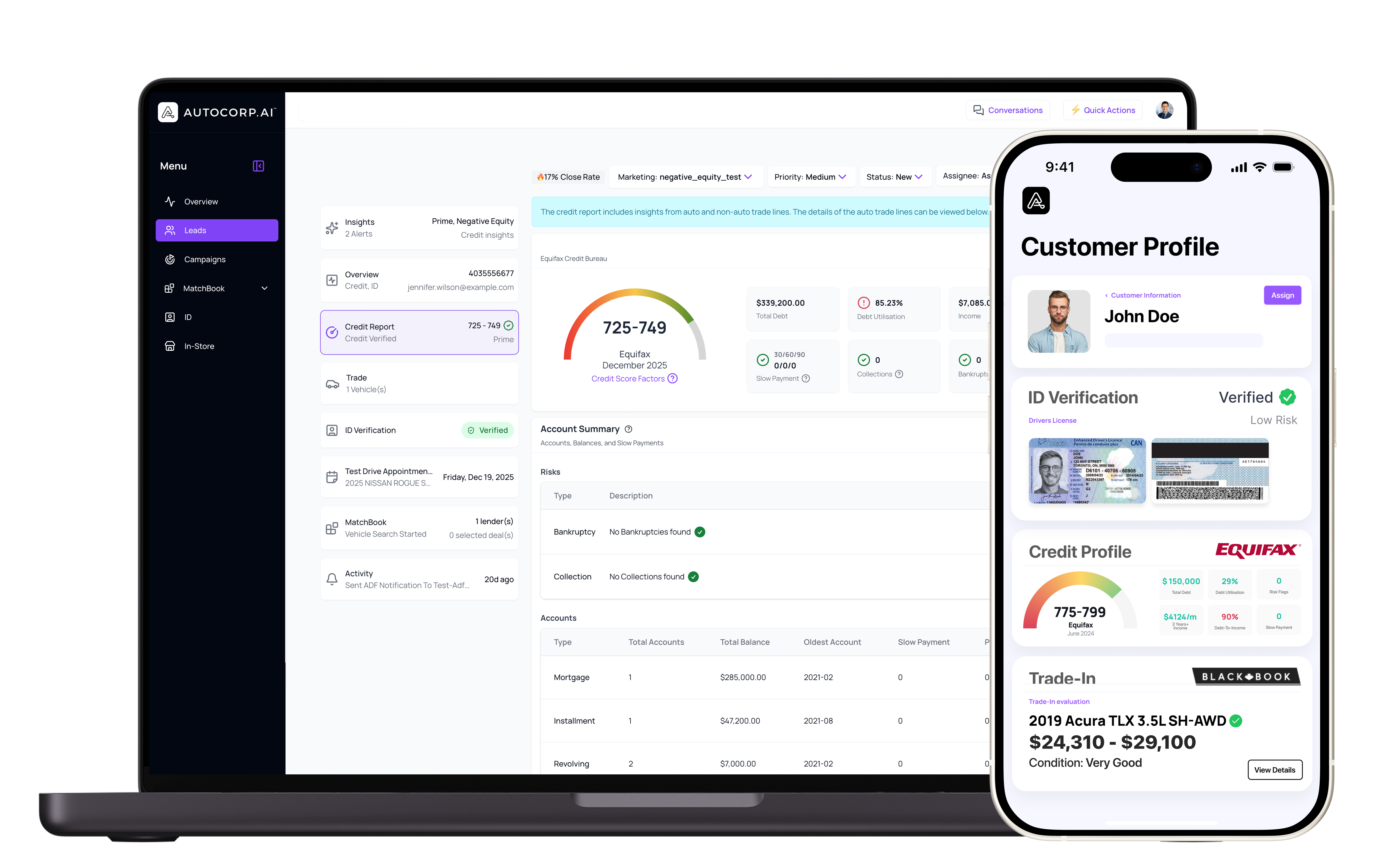
At the same time, many dealerships are adopting tools that provide early financial insight into potential buyers. For example, solutions like AVA™ Credit allow customers to request a soft credit check before beginning the financing process. While not an AI system itself, this type of early credit transparency helps sales teams focus on customers who are financially prepared to move forward.
The result is a sales process that becomes faster, more focused, and more productive for both buyers and dealership staff.
Customer expectations have changed dramatically in recent years. Buyers now expect quick responses, personalized recommendations, and a digital-first buying experience.
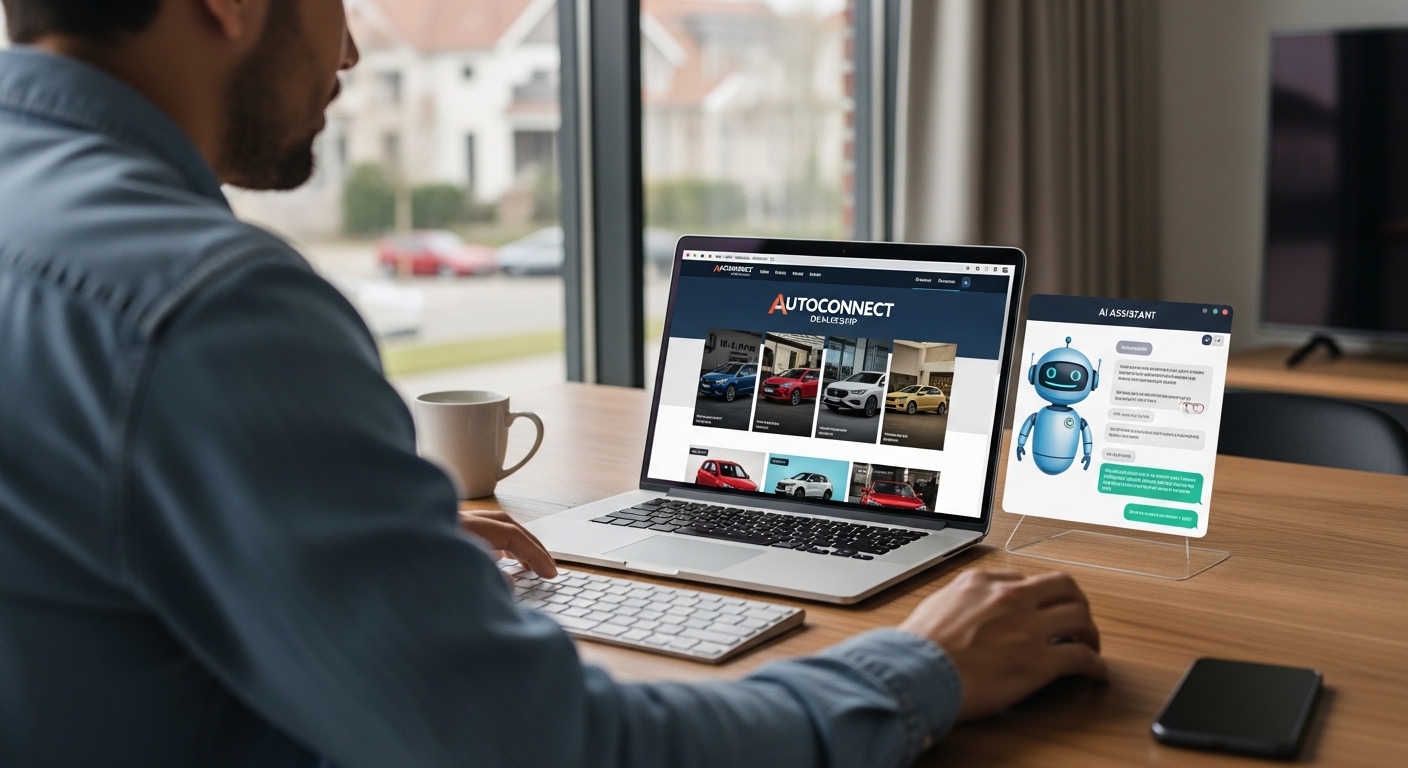
AI-powered chatbots and messaging tools are helping dealerships meet these expectations by answering common questions instantly and guiding customers through the early stages of the buying journey. Instead of waiting for a sales representative to respond, shoppers can receive immediate information about inventory, pricing, or financing options.
AI is also helping dealerships personalize communication. By analyzing previous interactions and browsing behaviour, dealerships can send targeted messages that are more relevant to each customer.
This level of personalization helps build trust with buyers who are often researching multiple dealerships before deciding where to purchase.
One of the biggest impacts of AI in automotive retail is the ability to analyze large amounts of data quickly. Dealerships generate valuable data every day through website traffic, CRM activity, marketing campaigns, and customer interactions.
AI tools can process this information to identify patterns and trends that would otherwise be difficult to detect.
For example, AI-driven analytics can help dealerships determine:
Dealerships that embrace a more data-driven approach can make better decisions about marketing, inventory, and sales strategies.
Fraud continues to be a growing concern across automotive retail. Identity theft, synthetic identities, and stolen credentials are creating challenges for both dealerships and lenders.
AI-powered fraud detection tools are helping identify suspicious patterns in identity documents and application data. These systems can flag inconsistencies that might otherwise go unnoticed.
At the same time, many dealerships are introducing verification steps earlier in the buying journey. Instead of waiting until the financing stage, some dealers now verify identity before credit applications or test drives.
Tools such as VeriDrive™ help support this approach by allowing dealerships to verify a customer’s driver’s license and identity quickly through a simple digital process. While the goal isn’t to replace traditional credit checks or lender verification, introducing identity confirmation earlier can help reduce risk and prevent time spent on fraudulent deals.
As fraud tactics continue to evolve, early verification is becoming an important layer of protection for dealerships.

Marketing is another area where AI is starting to play a larger role. Dealerships now rely on multiple digital channels to reach potential buyers, including search engines, social media platforms, and paid advertising.
AI tools can analyze performance data across these channels to help dealerships optimize their marketing strategies. Instead of relying on guesswork, AI systems can recommend adjustments based on real-time results.
For example, AI can help identify which keywords generate the most traffic, which ad campaigns produce the best leads, and which audiences are most likely to convert.
Some AI tools can even generate marketing copy or analyze search trends to help dealerships adjust their messaging based on changing demand.
For dealerships operating in competitive markets, these insights can provide a significant advantage.
Another trend shaping automotive retail is the growing demand for financing transparency.
Many buyers now want to understand their purchasing power before visiting a dealership. They want to know if they qualify for financing and what their potential payments might look like before committing to the buying process.
AI-driven financial analysis tools are helping lenders assess credit risk more efficiently, but dealerships are also responding by providing earlier access to financing insights.
When buyers can explore financing options ahead of time, the entire sales conversation becomes more productive. Expectations are clearer, negotiations move faster, and customers feel more confident about their decisions.
Artificial intelligence will continue to evolve across the automotive industry. From predictive pricing and inventory management to customer experience automation, the role of AI in dealership operations will likely expand over the next decade.
However, adopting AI technology doesn’t necessarily mean replacing existing dealership processes. In many cases, the most successful dealerships are combining new technologies with practical tools that improve transparency, verification, and lead qualification.
The dealerships that thrive in the years ahead will be the ones that embrace smarter systems, better data, and more efficient workflows. As AI automotive trends continue to reshape the industry, staying informed and adaptable will be key to maintaining a competitive edge.