 Activix
  AutoTrader
  Black Book
  CarGurus
  Equifax
  TransUnion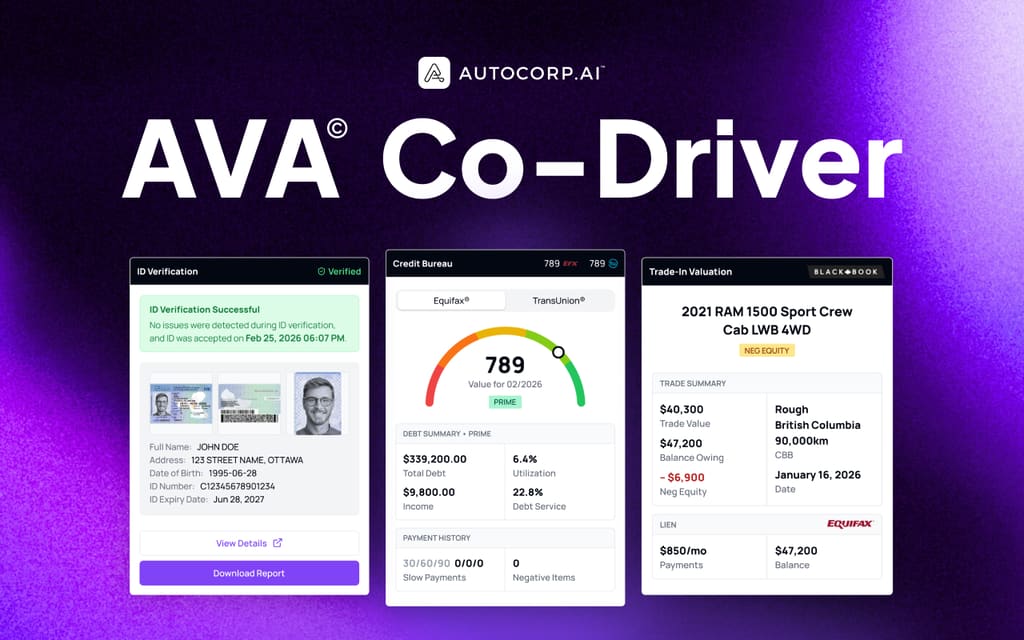


The car buying process has always been a complex journey, often involving long hours researching vehicles, visiting multiple dealerships, and navigating financing options. In 2026, artificial intelligence is fundamentally changing how customers interact with auto retail. AI is no longer a behind-the-scenes tool; it has become an essential driver of efficiency, personalization, and engagement in the digital buying experience. Dealerships that embrace AI can deliver superior customer experiences, streamline operations, and stay ahead in an increasingly competitive market.
Key Takeaways
- AI personalizes vehicle recommendations using behavior, preferences, and past activity, which speeds up decisions.
- Virtual assistants and chatbots give instant answers, book test drives, and run 24/7 support.
- AI speeds financing with quick pre-approvals and tailored payment plans that reduce friction.
- Predictive analytics improves inventory choices, matches local demand, and supports targeted offers.
- AR and VR tools let shoppers explore, customize, and preview vehicles from home.
1. Personalized Vehicle Recommendations
One of the most visible impacts of AI in auto retail is the ability to provide highly personalized vehicle recommendations. By analyzing customer behaviour, preferences, browsing history, and past purchases, AI algorithms can suggest vehicles that match a buyer’s specific needs. For example, a customer searching for a family SUV with advanced safety features may be presented with options that closely align with their priorities, including available trims, color options, and financing plans.
Personalized recommendations make the buying journey faster and more enjoyable. Customers spend less time wading through irrelevant options and feel confident that the vehicles presented to them are tailored to their lifestyle and budget. For dealerships, this creates more qualified leads, higher conversion rates, and stronger customer relationships.
2. AI-Powered Virtual Assistants and Chatbots
Another major shift is the rise of AI-powered virtual assistants and chatbots. Modern digital buyers expect immediate answers, and AI provides this at scale. Chatbots can handle a wide range of tasks, including answering questions about vehicle features, scheduling test drives, and providing initial financing information.
Virtual assistants also offer the advantage of 24/7 availability. Whether a customer is browsing at midnight or during a busy weekday, AI can engage them in real time. This not only improves the customer experience but also reduces the workload on dealership staff, allowing sales teams to focus on more complex tasks such as negotiation and closing deals. By delivering instant, relevant assistance, AI helps keep buyers engaged throughout the digital buying process.
3. AI-Enhanced Financing and Credit Approvals
Financing is often one of the most stressful parts of purchasing a vehicle. AI is transforming this stage of the journey by streamlining credit approvals and offering personalized financing solutions. Advanced AI algorithms can quickly analyze a customer’s financial profile and recommend loan terms, interest rates, and monthly payment plans that fit their budget.
Some AI systems even enable real-time pre-approval, allowing buyers to move from research to purchase without delays. This level of transparency and speed enhances the customer experience, reduces friction, and builds trust. For dealerships, AI-powered financing tools can increase the likelihood of closing sales and help customers feel confident that they are getting the best deal.
4. Predictive Analytics for Inventory Management
AI’s impact is not limited to customer-facing interactions; it also extends to dealership operations. Predictive analytics allows dealerships to anticipate customer demand, optimize inventory, and make data-driven decisions about which vehicles to stock.
For instance, by analyzing trends in local and national markets, AI can predict which models are likely to be in high demand in the coming months. This helps dealerships avoid overstocking vehicles that may sit unsold while ensuring that popular models are readily available. The result is a more efficient operation, shorter wait times for customers, and a higher likelihood of converting interest into sales. Predictive analytics also allows dealerships to create targeted promotions and personalized offers based on buyer behaviour, further enhancing the digital buying experience.
5. Virtual and Augmented Reality Experiences
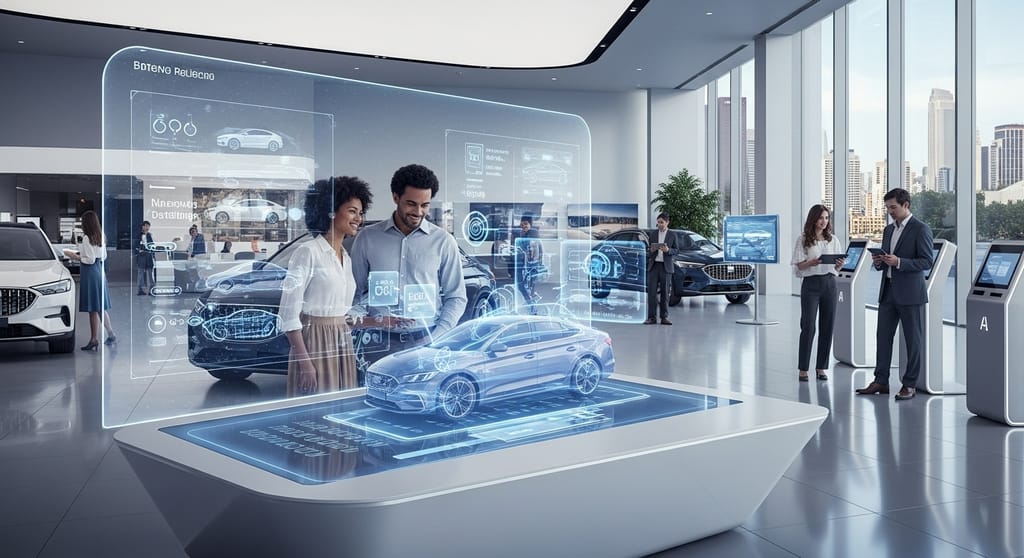
Digital buying is increasingly moving beyond traditional website browsing. AI-powered virtual and augmented reality experiences allow customers to explore vehicles in immersive ways from the comfort of their homes. Shoppers can view cars in 3D, customize features, and even simulate test drives using AR tools.
AVA® reads credit, trade, and ID data and delivers it right where your team works. Take the tour.
Book a demo →These experiences make online shopping feel more tangible and interactive, helping buyers make informed decisions without visiting the dealership in person. For example, a customer considering multiple colour options can see how each choice looks in realistic lighting conditions or explore interior layouts with interactive controls. This level of engagement creates a more satisfying customer journey and can shorten the time from initial research to final purchase.
Frequently Asked Questions About AI in Car Buying
How does AI personalize vehicle recommendations?
AI analyzes browsing behaviour, stated preferences, and past purchases. It matches shoppers to specific models, trims, colors, and even fitting finance plans. Buyers skip irrelevant options and get choices that match their needs and budget.
What can AI chatbots and virtual assistants handle for dealerships?
They answer feature questions, schedule test drives, and provide initial finance info. They work around the clock, engage shoppers in real time, and reduce staff workload so sales teams can focus on closing.
How does AI improve auto financing and credit approvals?
AI systems assess a buyer’s financial profile and suggest loan terms, interest rates, and monthly payments that fit. Some tools support real-time pre-approval, which speeds the move from research to purchase and builds trust.
How do predictive analytics improve dealership inventory?
AI trends show which models will be in demand in local and national markets. Dealerships stock popular vehicles, avoid dead inventory, and run targeted promotions based on buyer behaviour to lift conversions.
What do AR and VR add to the digital car buying experience?
Shoppers can view cars in 3D, explore interiors, try colour options, and simulate test drives from home. This makes online research feel real and helps buyers decide faster without a visit.
The Future of AI in Auto Retail
As technology continues to evolve, AI will play an increasingly central role in auto retail. From personalized recommendations and virtual assistants to AI-driven financing and predictive inventory management, dealerships that leverage AI effectively can create a seamless, engaging, and efficient digital buying experience.
The benefits are clear: customers enjoy a faster, more tailored shopping experience, while dealerships gain insights that improve operations and increase sales. By embracing AI, auto retailers position themselves as innovative, customer-focused, and competitive in an industry that is rapidly becoming more digital.
In 2026, AI is no longer just a tool for experimentation, it is a core component of the car buying journey. Dealerships that integrate AI across their sales, marketing, and operational strategies will be able to meet customer expectations, optimize resources, and drive sustainable growth in the years ahead. The future of auto retail is digital, intelligent, and highly personalized, and AI is leading the way.