
Car sales managers are the engine behind every high-performing dealership. While salespeople are on the front lines, it’s the manager who sets the pace, builds the process, and ensures every opportunity is maximized. In today’s market, where buyers are more informed and competition is tighter, strong leadership is the difference between missed targets and consistent growth.
If you’re looking to improve performance and drive better results, these five best practices for car sales managers will help you build a more efficient, productive, and profitable team.
Not all leads are worth the same amount of time. One of the biggest mistakes dealerships make is treating every inquiry equally.
Modern car sales managers should focus on identifying credit qualified leads early in the process. When your team spends too much time chasing low-quality leads, productivity drops and morale follows.
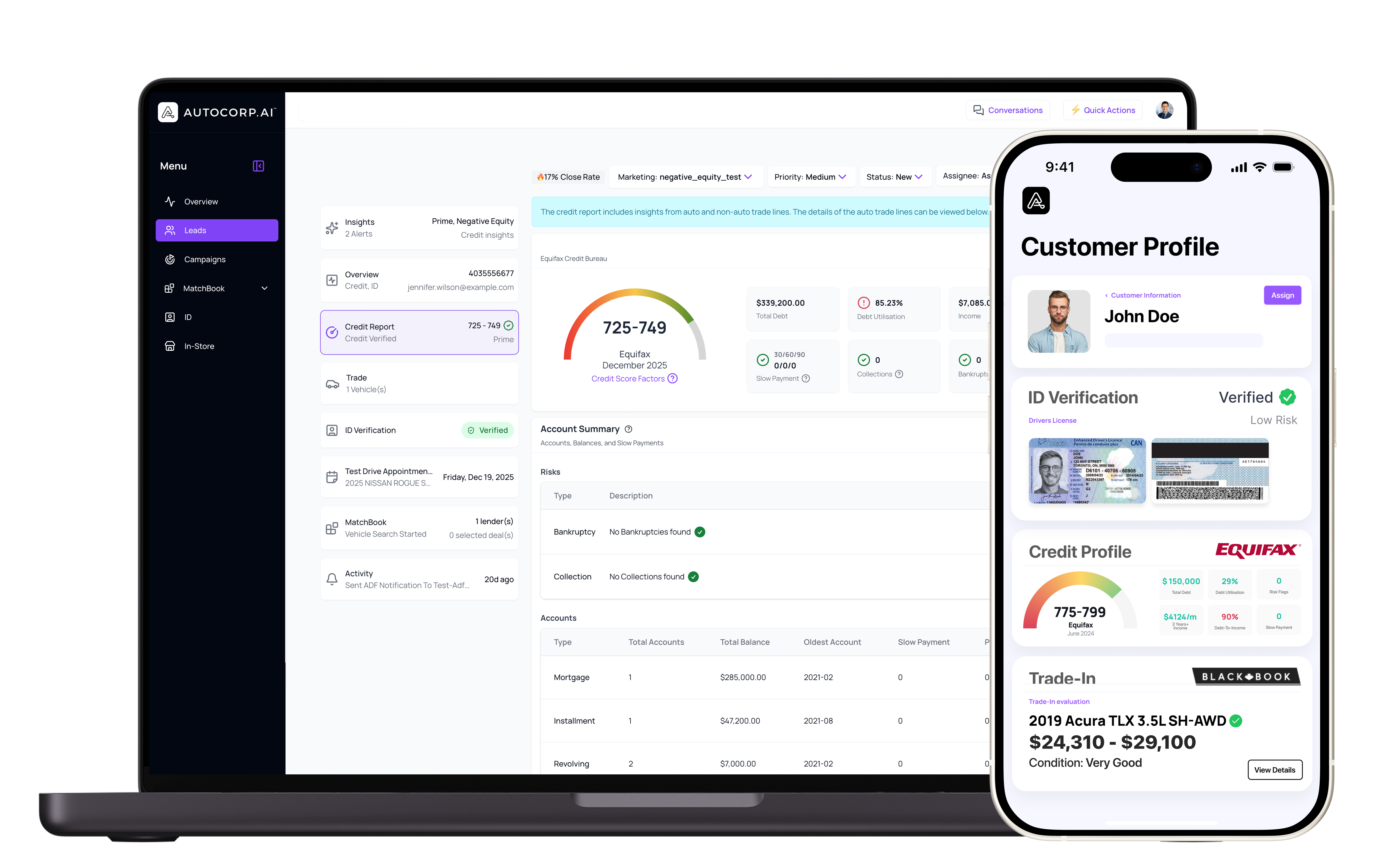
This is where tools like AVA™ Credit can make a real impact. By allowing customers to check their credit without affecting their score, your team gets early insight into who is financially ready to move forward.
Instead of guessing, your sales team can:
The result is a more efficient pipeline and stronger closing ratios.
Consistency wins in automotive sales. If every salesperson is following a different approach, results will always be unpredictable.
Strong car sales managers create a clear, step-by-step process that every team member follows, from first contact to final delivery.
This includes:
A defined process eliminates guesswork and ensures every customer gets a consistent experience.
Even small improvements, like responding faster to leads or tightening up appointment confirmations, can have a major impact on conversion rates.

Most dealerships track performance metrics, but not all of them actually use that data to improve.
As a car sales manager, your role is to turn data into action.
Look beyond just units sold and focus on:
These insights help you identify where deals are breaking down.
For example:
Use this data during one-on-one coaching sessions to give your team specific, actionable feedback instead of general advice.
One of the biggest missed opportunities in dealerships today is the disconnect between marketing and sales.
Marketing teams generate leads, but sales teams often have little visibility into where those leads came from or how they should be handled differently.
Car sales managers should work closely with marketing to:
With tools like AVA™’s campaign tracking, dealerships can see which ads are actually producing buyers, not just clicks. This allows your team to focus on the leads that are most likely to convert.
When sales and marketing are aligned, your dealership becomes more efficient and your cost per sale drops.

Today’s car buyers expect fast answers and a transparent experience. If your dealership is slow to respond or unclear about pricing and financing, customers will move on quickly.
Car sales managers need to set the tone by emphasizing:
Encourage your team to eliminate friction wherever possible.
For example:
When buyers feel informed and respected, they’re far more likely to move forward with confidence.
The role of a car sales manager has evolved. It’s no longer just about hitting monthly targets, it’s about building a system that consistently produces results.
By focusing on high-quality automotive leads, creating a structured process, using data effectively, aligning with marketing, and delivering a faster, more transparent experience, you can position your dealership for long-term success.
The dealerships that win in 2026 aren’t just working harder, they’re working smarter, with better processes and better information guiding every decision.