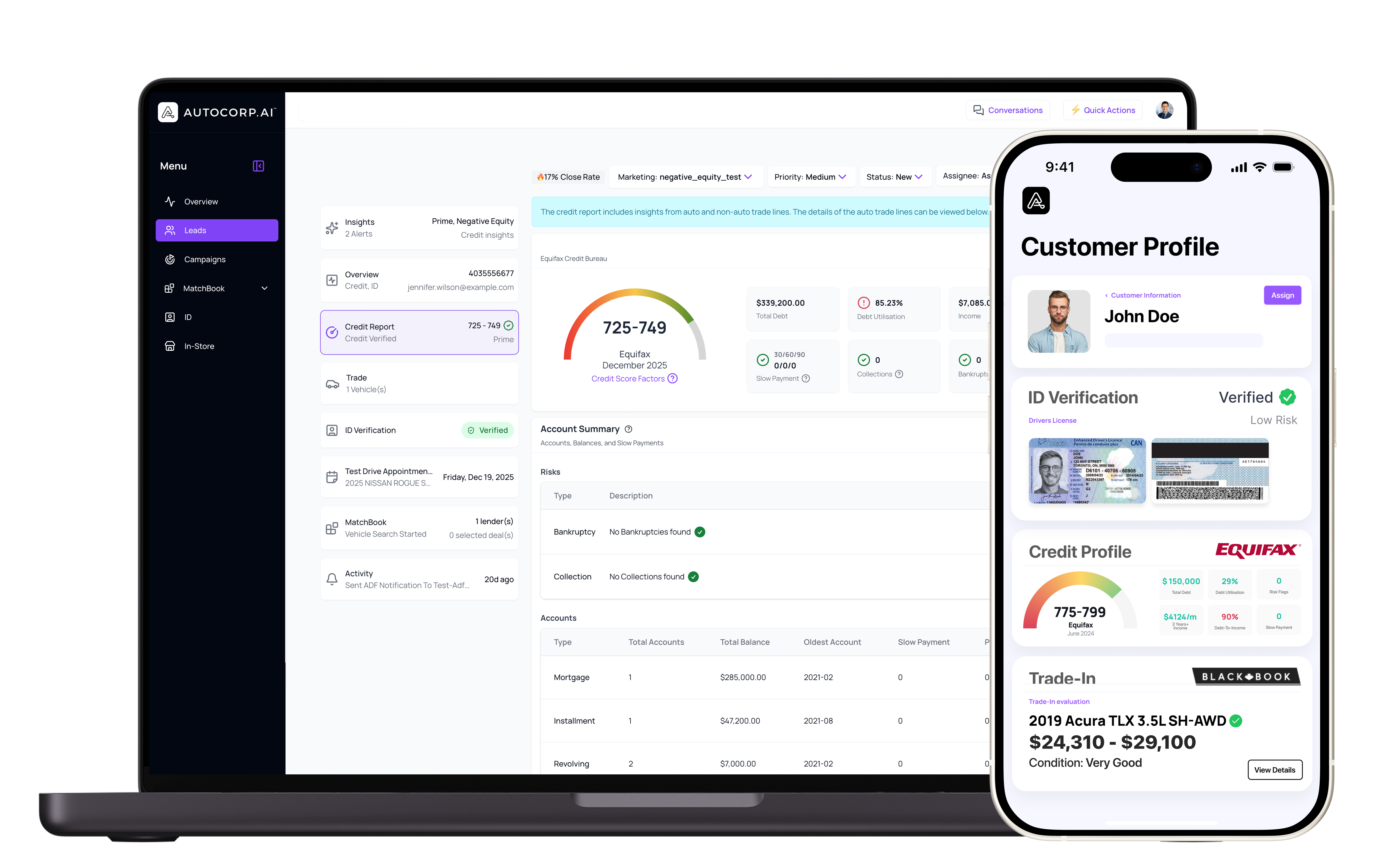

Pricing inventory accurately has always been one of the most important and challenging responsibilities inside a dealership. Price too high and vehicles sit longer than they should. Price too low and you leave gross on the table. In today’s competitive Canadian automotive market, guesswork is no longer an option. This is where Canadian Black Book auto value data plays a critical role.
Canadian Black Book has long been a trusted authority for vehicle valuation across Canada. When used correctly, Black Book auto values help dealerships price inventory with confidence, align with real market conditions, and move vehicles faster while protecting margins.
Canadian Black Book provides vehicle valuation data based on actual market activity. Unlike list prices or aspirational numbers, Black Book auto values reflect what vehicles are realistically worth based on wholesale transactions, historical trends, vehicle condition, mileage, and regional demand.
For dealerships, this data becomes a benchmark. It helps answer essential questions such as:
By grounding pricing decisions in reliable data, dealerships reduce risk and improve consistency across inventory decisions.
Inventory pricing directly affects nearly every aspect of dealership performance. Days to turn, gross profit, customer trust, and marketing efficiency are all tied to how accurately vehicles are priced.
Canadian buyers are more informed than ever. Shoppers compare prices across multiple platforms before ever contacting a dealership. If your pricing is out of line with market expectations, your inventory may never receive serious engagement.
Using Black Book auto value helps ensure pricing aligns with real-world buyer behaviour rather than internal assumptions. This alignment improves click-through rates, showroom visits, and closing efficiency.

Black Book auto value is not just a single number. It is a data-driven framework that supports more informed pricing decisions.
Key factors considered include:
When dealerships use this data consistently, pricing decisions become repeatable and defensible. This is especially valuable when managing large inventories or multiple rooftops.
Different inventory segments require different pricing strategies. Canadian Black Book data supports each of them.
For used vehicles, Black Book auto value helps dealerships identify the right price window based on current market demand. It also helps determine whether a vehicle should be priced aggressively for quick turnover or held for margin.
For trade-ins, Black Book data ensures appraisals align with current values. Accurate trade-in pricing protects gross while maintaining transparency with customers.
For aging inventory, Black Book values help dealerships reassess pricing strategy. When a vehicle approaches a key day threshold, data-backed adjustments can prevent unnecessary stagnation.
One of the most common misconceptions is that data-driven pricing always leads to lower prices. In reality, Canadian Black Book auto value helps dealerships price smarter, not cheaper.
In some cases, Black Book data may justify stronger pricing when demand supports it. In others, it may signal the need for faster adjustments to remain competitive. The key is understanding where your inventory sits relative to the broader market.
This balance protects profitability while still meeting buyer expectations. It also gives sales teams confidence when discussing pricing with customers, as decisions are supported by objective data rather than guesswork.
Transparency has become a major factor in the Canadian car buying process. Buyers want to understand how pricing is determined and whether it reflects fair market value.
When dealerships rely on recognized valuation sources like Canadian Black Book, pricing conversations become easier. Sales teams can explain how values are derived and why a vehicle is priced where it is. This builds credibility and reduces friction during negotiations.
Trust-driven pricing also leads to smoother transactions and higher customer satisfaction, both of which contribute to long-term loyalty and referrals.
To get the most value from Canadian Black Book data, it needs to be integrated into daily workflows, not treated as an occasional reference.
Successful dealerships often:
Consistency is key. When every department relies on the same valuation framework, pricing decisions remain aligned across sales, finance, and management.
Even with access to Black Book auto value, pricing mistakes can still happen if data is misused or ignored.
Common issues include:
Canadian Black Book data should be used as a guide, not a one-time answer. Regular review and adjustment ensure pricing stays aligned with real market conditions.

Canadian Black Book has earned its reputation through decades of market analysis and industry expertise. Dealers, lenders, and automotive professionals across Canada rely on its data to support critical decisions.
This credibility matters. When pricing is backed by a trusted source, it strengthens internal confidence and external perception. It also creates alignment between dealership operations and lender expectations.
In a market defined by tight margins and informed buyers, pricing accuracy is no longer optional. Canadian Black Book auto value provides dealerships with the data needed to price inventory competitively, protect profitability, and build trust with customers.
Dealerships that use Black Book auto value strategically gain an advantage. They move inventory faster, reduce pricing friction, and create a more consistent buying experience.
Using data to price inventory right is not just about numbers. It is about making smarter decisions that support long-term dealership success.
Canadian Black Book auto value is a vehicle valuation figure based on real market activity in Canada. It reflects factors like wholesale transactions, historical trends, condition, mileage, and regional demand, rather than listing prices.
Dealerships use Black Book values as a benchmark to set a competitive price range for each unit. It helps them decide when to price for faster turnover versus when to hold for margin, based on where the vehicle sits in the market.
No. Black Book data supports smarter pricing, not automatic discounting. In some cases, it can support stronger pricing when demand is high, and in other cases it signals a need to adjust sooner to stay competitive.
Black Book data helps align trade-in offers with current market values. This protects gross profit and supports clearer conversations with customers because the appraisal is tied to a recognized source.
Pricing should be reviewed regularly as the market changes, many dealerships review weekly. Ongoing reviews also help prevent issues like outdated values, missed regional shifts, and slow responses as inventory ages.