 Activix
  AutoTrader
  Black Book
  CarGurus
  Equifax
  TransUnion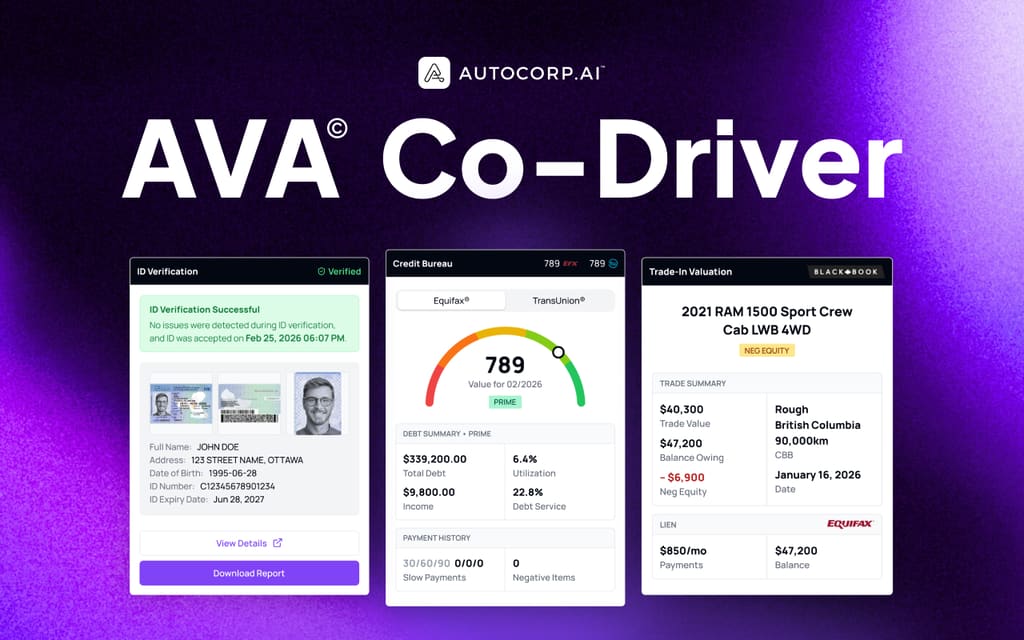



The role of the car salesperson has changed.
In 2026, customers arrive at the dealership informed, skeptical, and often halfway through their buying journey. They have researched vehicles, compared payments, read reviews, and sometimes even checked their own credit before stepping onto the lot.
This means one thing: product knowledge alone is not enough.
The modern car salesperson must deliver an experience that matches today’s expectations. Shoppers are no longer comparing you only to the dealership down the street. They are comparing you to every fast, transparent, and digital experience they have anywhere else.
So what matters most now?
Here are the three things customers value most when buying a vehicle in 2026.
Key Takeaways
- In 2026, car buyers show up informed, cautious, and already deep into the buying process.
- Customers value speed and simplicity, because they want fewer steps and less time spent in the dealership.
- Transparent pricing builds trust, especially when payments, fees, trade-in value, and rate impact are shown early.
- Confidence and personalization close more deals, because buyers respond better to guidance that fits their budget and needs.
- The best salespeople act as time managers and clarity guides, not just product experts.
1. Speed and Simplicity
Time has become the most valuable currency in automotive sales.
Customers do not want to spend five or six hours in a dealership navigating paperwork, back and forth negotiations, and unclear financing steps. They want clarity early and momentum throughout the process.
For a car salesperson, this means eliminating friction wherever possible.
One of the biggest delays in traditional sales processes has always been the credit conversation. When financing is introduced late, it can stall deals and create anxiety. Today’s buyers prefer transparency upfront.
Digital tools like AVA™ allow dealerships to bring credit clarity earlier into the journey through no impact credit checks and streamlined identity verification. Instead of waiting until the final stages, customers can understand their buying power sooner.
When shoppers know what they can afford, conversations become faster and more productive. Salespeople can guide them toward vehicles that fit realistically within their budget, avoiding wasted time and uncomfortable surprises.
Speed does not mean rushing. It means removing unnecessary obstacles.
In 2026, the car salesperson who respects the customer’s time wins more often.

2. Transparent Pricing and Real Numbers
Modern buyers are highly sensitive to trust.
For decades, vehicle pricing has carried a reputation for negotiation stress and hidden costs. Today’s customers want clarity around the actual cost of ownership, not just the sticker price.
They want to understand:
- Monthly payment ranges
- Total vehicle cost
- Trade in value
- Interest rate impact
- Fees and add ons
When these numbers appear late or shift unexpectedly, confidence drops.
A successful car salesperson in 2026 leads with transparency. That means presenting realistic payment scenarios early and explaining how financing, trade value, and term length affect the final number.
Digital retailing tools support this approach by giving customers visibility into their deal structure before they commit emotionally. When pricing and payments are clearly explained, the sales process feels collaborative instead of confrontational.
Transparency builds trust. Trust accelerates decisions.
Customers are far more likely to move forward when they feel informed rather than negotiated against.
3. Confidence and Personalization
Even in a digital first world, the human element still matters.
In fact, it matters more.
Buyers want to feel understood. They want a car salesperson who listens, adapts, and guides rather than pushes.
Personalization starts with data. When sales teams have access to customer history, communication logs, credit insights, and trade details in one place, conversations become sharper and more relevant.
AVA® lets shoppers check credit and trade value in seconds, with no score impact. See how it feels.
Book a demo →Instead of asking generic questions, a salesperson can say:
“I see you were looking at midsize SUVs online and considering a trade. Let’s explore options that keep your payment close to your target range.”
That level of preparation creates confidence.
Confidence also comes from reducing uncertainty. Tools within the AVA™ ecosystem help dealerships verify identity, assess buying power, and align customers with appropriate vehicles earlier in the journey.
When customers feel confident in their approval potential and understand the process clearly, hesitation decreases. The deal moves forward naturally.
A confident customer is far easier to close than a confused one.
Why the Modern Car Salesperson Must Adapt
Automotive retail in 2026 is shaped by digital research, rising financial awareness, and higher expectations for convenience.
Customers typically visit fewer dealerships before making a decision. That means each interaction carries more weight.
The car salesperson who succeeds today is not simply a product expert. They are:
- A guide through financing clarity
- A translator of real numbers
- A manager of time and expectations
- A builder of trust
Technology supports this role, but it does not replace it. Instead, it removes distractions and administrative delays so sales professionals can focus on meaningful conversations.
Dealerships that combine strong human interaction with smart automotive technology create an environment where customers feel respected, informed, and confident.
And those three feelings lead directly to more closed deals.

The Bottom Line
In 2026, customers are not just buying vehicles. They are buying experiences.
The three most important things they look for are speed, transparency, and confidence.
A car salesperson who delivers on those expectations will not only close more deals, but also earn repeat business and referrals.
The market will continue to evolve. Expectations will continue to rise.
But one principle remains constant: when you make the process easier, clearer, and more trustworthy, customers say yes faster.
Frequently Asked Questions About What Customers Value When Buying a Car in 2026
What do customers value most when buying a vehicle in 2026?
Most customers value speed, transparent pricing, and confidence. They want a shorter process, real numbers early, and a salesperson who explains options clearly based on their situation.
Why is speed and simplicity so important in car sales now?
Buyers don't want to spend hours on paperwork and back and forth negotiation. They prefer clear next steps, fewer delays, and faster decisions, especially when financing details are introduced early.
What does "transparent pricing" mean to car buyers?
It means showing real numbers early, not just a sticker price. Buyers want to understand monthly payment ranges, total cost, trade-in value, interest rate impact, fees, and add-ons before they feel committed.
How does personalization help close more deals?
Personalization makes the buyer feel understood. When a salesperson uses the customer's online activity, trade details, and budget targets to recommend realistic options, the buyer feels more confident and moves forward sooner.
Do digital tools replace the car salesperson in 2026?
No. Tools support the salesperson by reducing admin tasks and bringing clarity earlier in the process. The salesperson still matters most for trust, communication, and guiding the buyer through decisions.