
The automotive industry is evolving rapidly, but one thing remains constant: understanding why people buy cars is key to dealership success. As we move into 2026, dealerships that grasp the psychology behind the car buying process will be the ones that thrive. Consumer expectations, digital engagement, and emotional triggers all play a major role in shaping decisions, and tapping into these insights can dramatically improve dealership sales.
In this article, we’ll explore the science of car buying psychology, reveal what motivates today’s shoppers, and share how dealerships can apply these insights to boost performance in 2026.
While many buyers like to believe they make rational, data-driven decisions, neuroscience tells a different story. Studies show that emotion drives between 70–80% of consumer purchase decisions, especially for big-ticket items like vehicles.
Cars are more than a mode of transportation; they’re symbols of identity, freedom, and achievement. Whether it’s a first car symbolizing independence or a luxury SUV reflecting status, emotional resonance fuels the buying process long before logic kicks in.
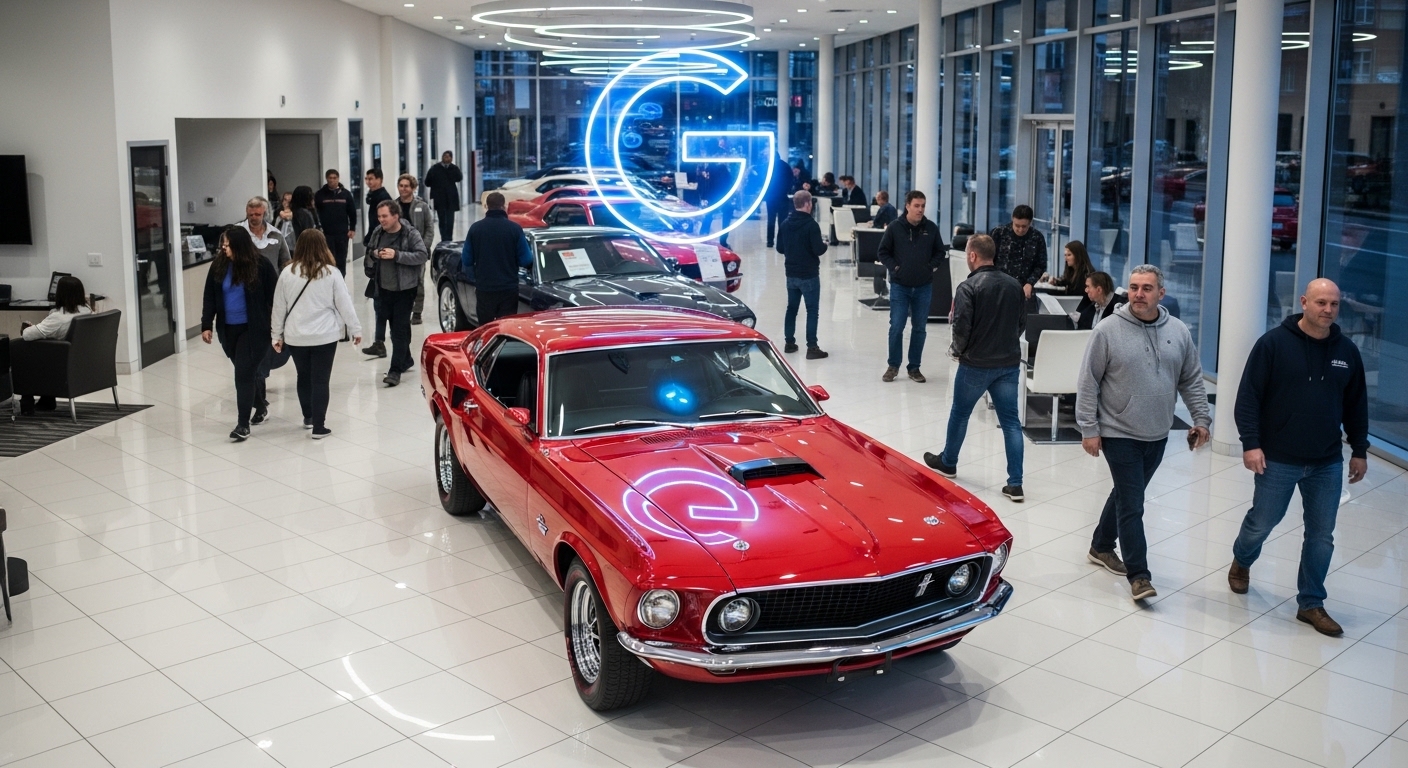
In dealership settings, this means every touchpoint matters. From the tone of voice used in online chats to the lighting and layout of a showroom, subtle cues trigger emotional responses that can tip the scales toward purchase.

Takeaway for dealerships:
To optimize dealership sales, focus on evoking emotion. Showcase aspirational imagery, use storytelling in marketing, and ensure your team connects with buyers on a personal level. Digital experiences should be just as emotionally engaging, think personalized videos, welcoming chatbots, and online tools that make buyers feel understood.
In 2026, buyers are more informed than ever. They research extensively, compare deals across multiple platforms, and expect transparency at every step. This shift has made trust the most valuable currency in dealership sales.
The psychology here is simple: when trust is high, perceived risk drops. A customer who feels safe is far more likely to buy and more likely to recommend your dealership to others.
However, the traditional dealership model often struggles with this perception. Hidden fees, confusing financing, or inconsistent communication can instantly erode credibility.
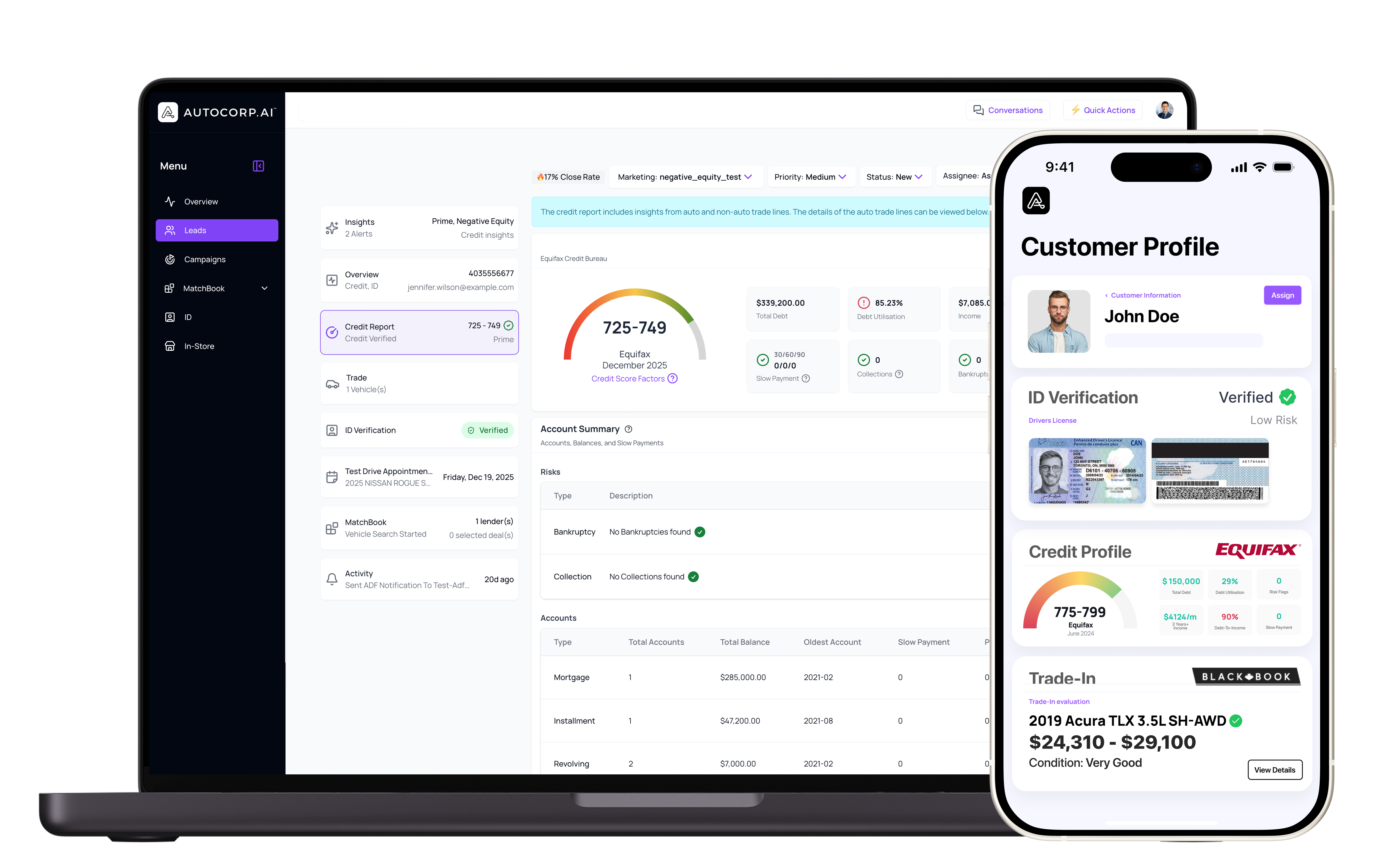
Modern tools like AVA™ ID help dealerships address this challenge by verifying customer identities and protecting both sides from fraud. When buyers see that a dealership prioritizes security and compliance, it reinforces confidence and trust in the entire process.
Takeaway for dealerships:
Transparency builds trust, and trust drives sales. Make pricing clear, communicate openly, and use verification technologies that signal safety. A transparent process is not just ethical; it’s a proven strategy in car buying psychology.
The rise of e-commerce has reshaped consumer expectations. Buyers expect the same speed and convenience they get from Amazon or Netflix. When it comes to cars, this means streamlined, intuitive, and flexible buying experiences.
According to recent data, over 80% of car buyers begin their journey online, and nearly half would complete the entire transaction digitally if given the option. This shift reflects a deeper psychological trend: the desire for control.
In psychological terms, control reduces anxiety and enhances satisfaction. Buyers want to move through the car buying journey at their own pace, researching, applying for credit, valuing their trade, and finalizing the deal all within a connected, digital ecosystem.
Platforms like the AVA™ Suite empower dealerships to deliver exactly that. Tools like AVA™ Credit, AVA™ Trade, and AVA™ MatchBook create seamless online-to-showroom experiences that meet modern expectations for convenience and personalization.
Takeaway for dealerships:
Car buying psychology in 2026 revolves around instant gratification and user control. Offer a frictionless digital journey where financing, trade-ins, and ID verification happen in minutes, and your sales conversions will reflect it.
Humans are social creatures, and our purchasing decisions are shaped by what others think. This principle, known as social proof, is one of the most powerful psychological drivers in dealership sales.
Reviews, testimonials, influencer partnerships, and social media content all serve as forms of validation. When a buyer sees others having positive experiences, it reduces doubt and creates emotional momentum toward purchase.
In 2026, this extends beyond just Google reviews. Micro-influencers, YouTube reviews, and peer-driven platforms like Reddit or TikTok can have massive sway. Authenticity is the key; consumers can spot scripted marketing a mile away.
Takeaway for dealerships:
Build your reputation through genuine social proof. Encourage reviews, share customer success stories, and highlight real experiences across your digital channels. Integrating user-generated content into your marketing creates trust and emotional connection.
Cognitive biases are mental shortcuts that influence decision-making, often subconsciously. Understanding them helps dealerships guide customers more effectively through the buying journey.
Here are a few that play a major role in car buying psychology:
Takeaway for dealerships:
Integrate cognitive insights into your marketing and sales strategies. Use time-sensitive offers, transparent pricing, and value framing to guide customer decisions ethically and effectively.
As AI continues to reshape auto retail, personalization is emerging as the cornerstone of effective dealership sales strategies.
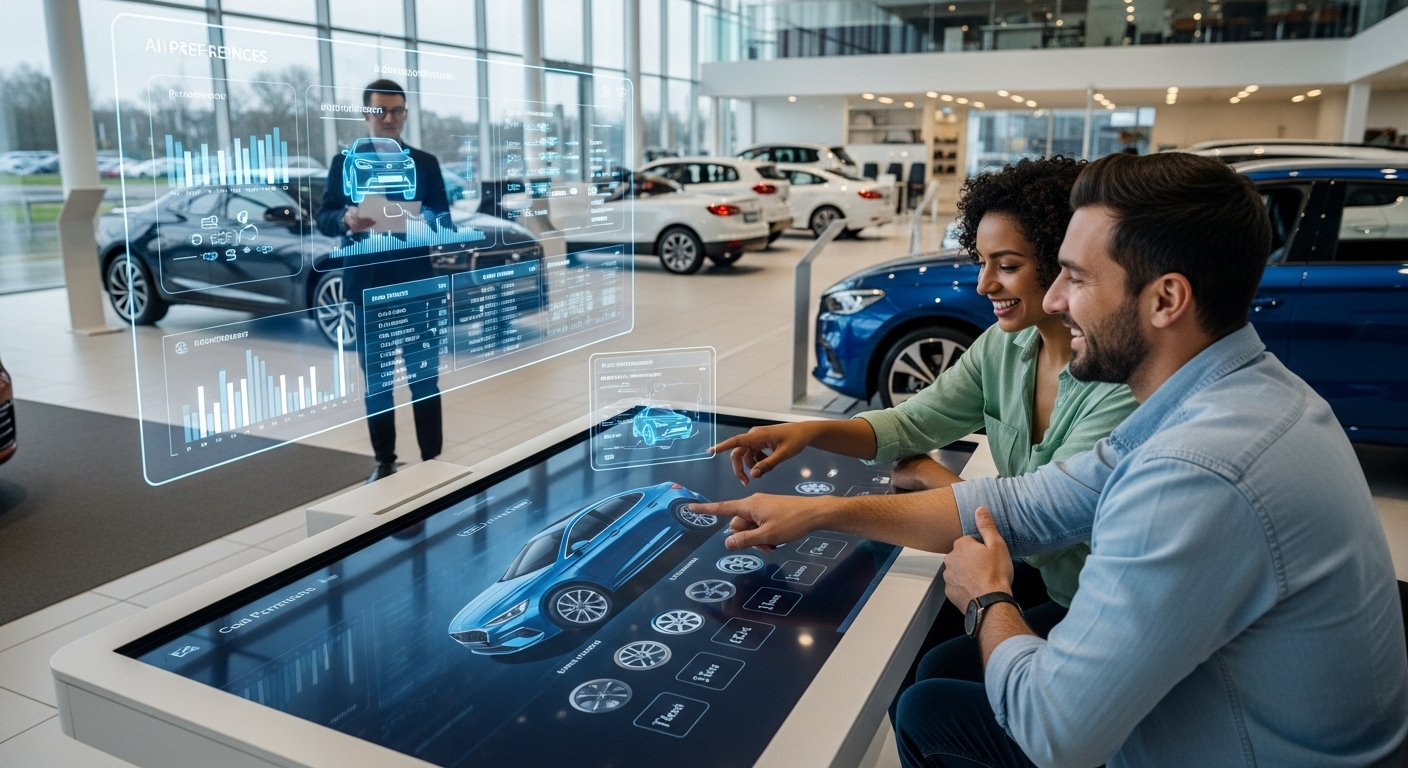
Data-driven insights allow dealerships to anticipate needs, tailor communication, and deliver customized offers that resonate on an individual level. This taps directly into car buying psychology by making buyers feel seen, valued, and understood.
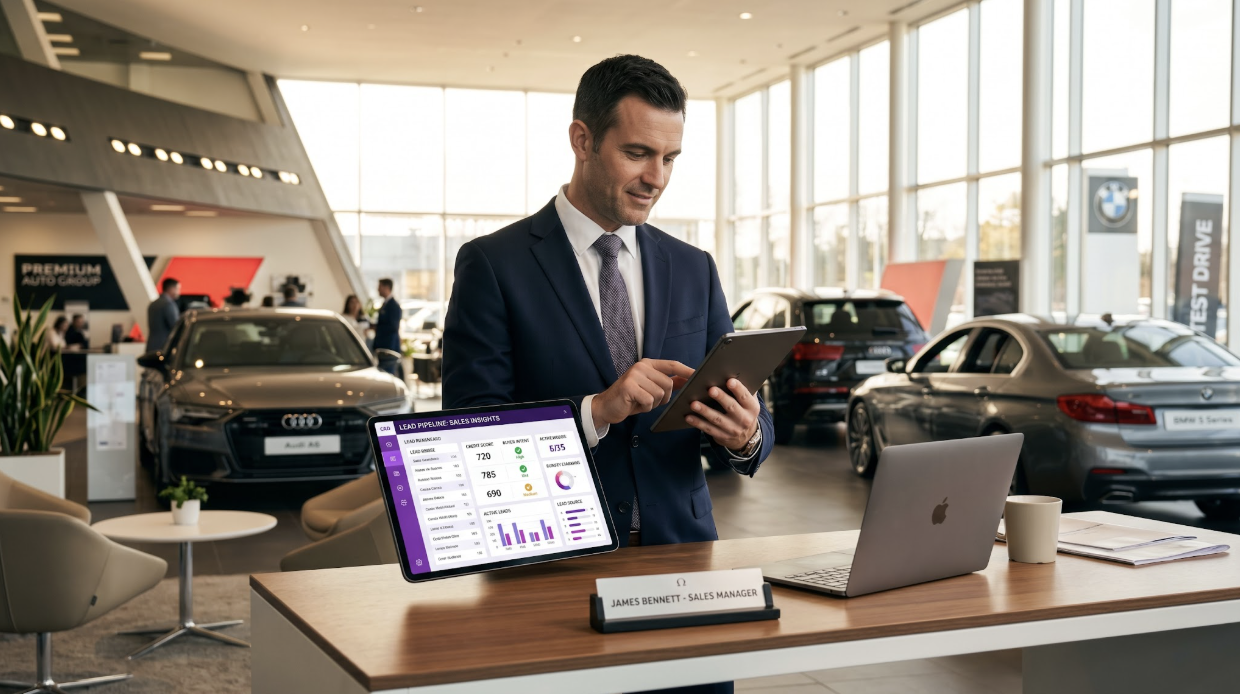
AI-powered platforms like AVA™ enhance this personalization. From intelligent lead scoring to predictive engagement, dealerships can use automation to meet customers where they are in the buying journey, whether online or in-store.
Takeaway for dealerships:
Leverage AI to personalize every touchpoint. The more a customer feels the experience is built around them, the stronger their emotional connection and the higher the likelihood of closing the sale.
The rise of electric and hybrid vehicles has brought a new layer to car buying psychology: values-based purchasing. Modern buyers, especially Gen Z and younger Millennials, are motivated by sustainability, ethics, and innovation.
In 2026, the emotional appeal of doing the right thing will be a key factor in dealership sales. Buyers want to feel their purchase aligns with their beliefs, both environmentally and socially.
Dealerships that highlight eco-friendly inventory, community initiatives, or transparent sourcing practices can strengthen emotional bonds with this growing demographic.
Takeaway for dealerships:
Position sustainability as part of your brand identity. Promote EV models, green initiatives, and partnerships that reflect your dealership’s commitment to a better future.
The science of car buying is no longer just about what happens in the showroom. It’s about creating a unified, emotionally intelligent experience across every digital and physical touchpoint.
By 2026, the most successful dealerships will seamlessly combine emotional intelligence with AI precision, understanding not only what buyers want, but why they want it.
From personalized video walkthroughs to real-time financing decisions and digital ID verification, the future of dealership sales lies in blending human empathy with technological efficiency.
Emotions drive most car buying decisions. Buyers like to believe they compare specs and prices in a calm way, but the choice usually starts with how a car makes them feel. A car can signal independence, success, safety, or status. In the dealership, details like tone of voice, showroom design, photos, and videos all feed that emotional response. When a buyer feels excited, confident, and understood, they move faster toward a “yes,” even if they still check the numbers afterward.
Trust is the main currency in dealership sales in 2026. Shoppers research online, compare offers, and arrive with a healthy level of doubt. Clear pricing, honest financing explanations, and consistent communication reduce this doubt. Tools like AVA™ ID help verify customer identities and protect against fraud, which reassures both sides. When customers see that a dealership is open about fees and takes security seriously, they feel safe enough to commit and more willing to recommend that dealership to others.
Most car buyers start online, and many want to finish the whole deal without leaving their couch. They expect the same speed and ease they get from online shopping. This digital mindset is about control. Buyers want to research, check credit, get trade values, and move at their own pace. Platforms like the AVA™ Suite let dealerships offer this kind of journey, from AVA™ Credit to AVA™ Trade and AVA™ MatchBook. When the process feels fast, simple, and easy to manage, buyers stick with that dealership rather than restarting with someone else.
Social proof reduces fear. When buyers see happy customers in reviews, social posts, or videos, they feel more confident that they will have a good experience too. This includes Google reviews, testimonials on your site, YouTube reviews, Reddit threads, TikTok clips, and posts from micro-influencers. The key is authenticity. Shoppers can spot fake or scripted content quickly. Real stories, unfiltered feedback, and user-generated content create a sense of honesty that supports your brand and helps buyers choose your dealership over a competitor.
AI helps dealerships turn scattered data into personal experiences. With tools like AVA™, dealerships can score leads, predict what a shopper needs next, and tailor offers to each person. When a buyer receives messages, videos, or deals that match their budget, interests, and timing, they feel understood and valued. This personal touch taps into car buying psychology and builds a stronger emotional bond. The result is a smoother process for the buyer and a higher chance of closing the sale for the dealership.
Understanding car buying psychology is no longer optional; it’s essential for success in the evolving world of dealership sales. As emotional drivers, cognitive biases, and digital behaviours continue to shape purchasing decisions, dealerships that adapt will be the ones leading the market in 2026.