In today’s automotive retail world, efficiency isn’t just a competitive advantage, it’s essential for survival. Margins are tighter, customer expectations are higher, and dealership operations have become increasingly complex. To stay profitable and agile, more dealerships are adopting a lean management approach, a system originally built for manufacturing that’s now transforming how auto retailers operate.
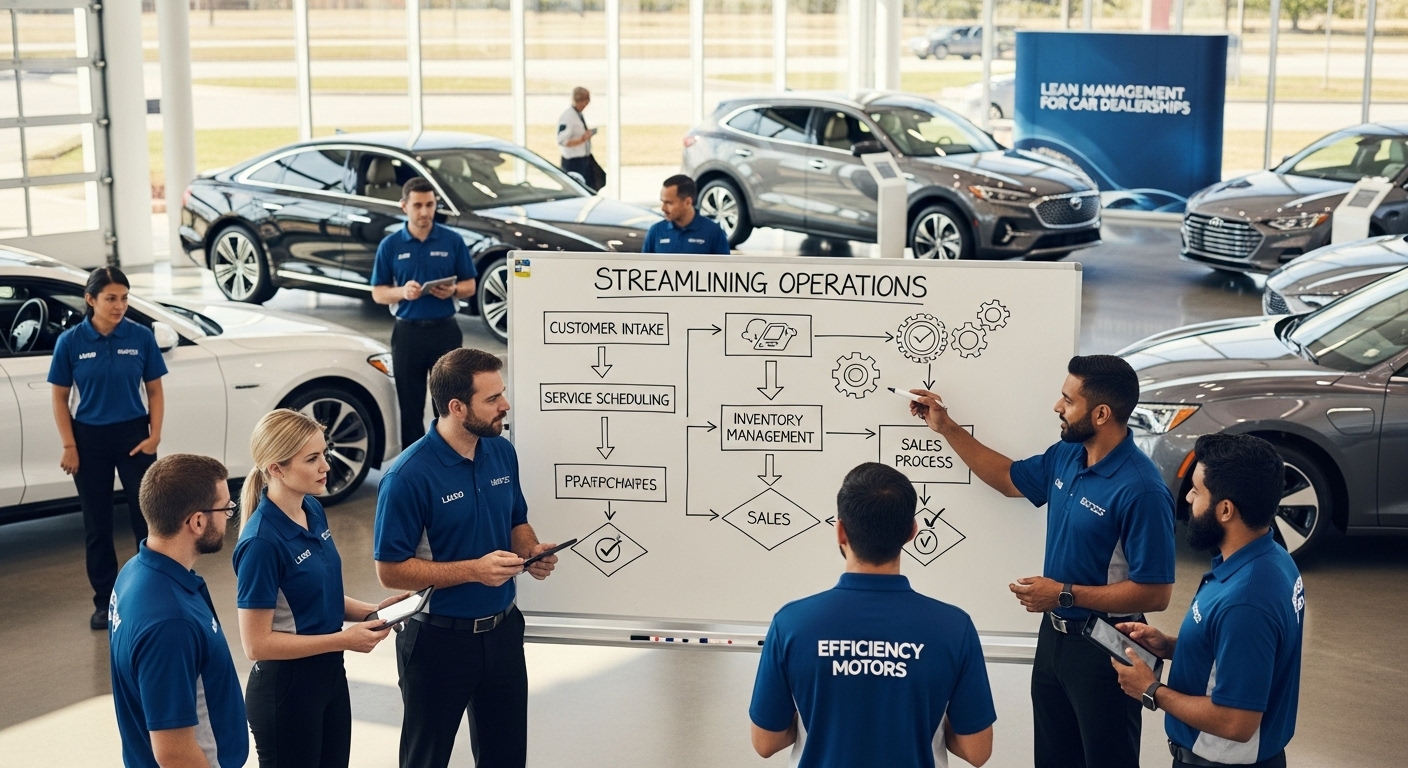
Lean management is about doing more with less. It’s a philosophy that emphasizes continuous improvement, eliminating waste, and creating maximum value for customers with minimal resources. When applied to the unique structure of a dealership, spanning sales, service, F&I, and customer relations, lean management can drive measurable gains in productivity, profitability, and customer satisfaction.
Here’s how lean thinking can reshape your dealership operations and help you build a more agile, profitable business.
Lean management was first popularized by Toyota through its Toyota Production System (TPS). The concept revolves around five key principles:
In the context of automotive retail, these principles help dealerships identify inefficiencies, streamline processes, and focus on activities that directly enhance the customer experience while reducing unnecessary effort, cost, and time.
A central goal of lean management is to eliminate “waste” or any process that doesn’t add value. In dealerships, waste can appear in many forms across departments.
Identifying and addressing these wastes helps dealerships not only reduce costs but also create a smoother, faster, and more satisfying experience for both employees and customers.
1. Sales and Lead Management
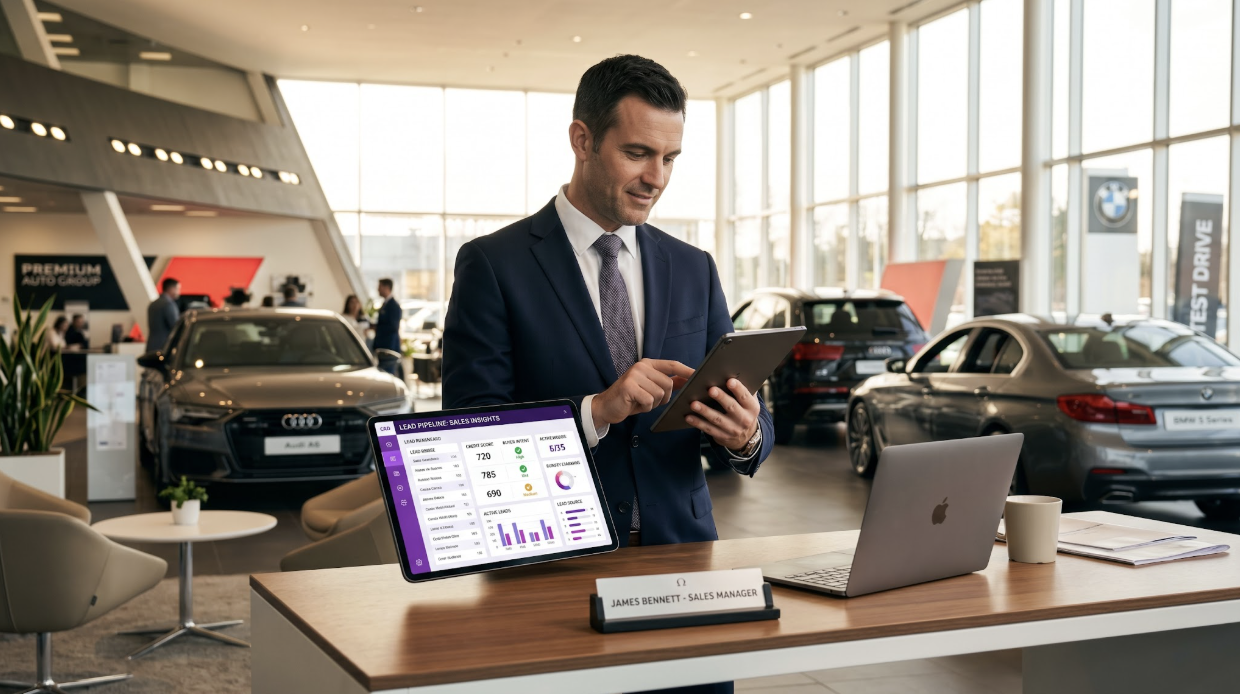
Lean management starts at the front end of the dealership, where efficiency can make or break a sale. Reducing manual steps and automating data flow between lead sources, CRM systems, and credit tools creates a faster, more transparent process for both the customer and the salesperson.
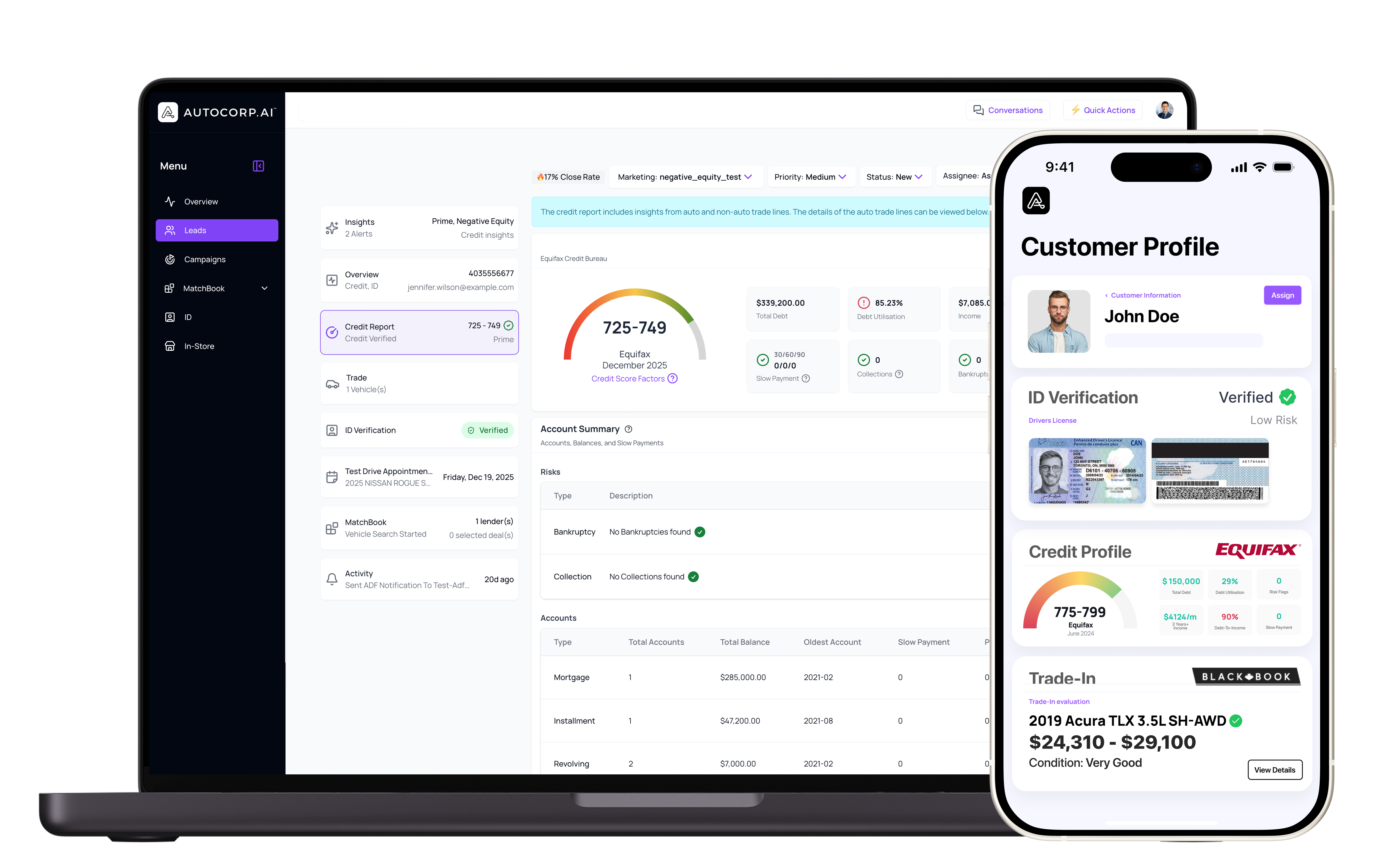
For example, using digital tools like AVA™ Credit, dealerships can instantly pre-qualify customers through soft-pull credit checks. This reduces the time spent chasing unqualified leads and shortens the sales cycle. Dealers using AVA™ report closing ratios up to 40% and a 25% increase in lead volume, thanks to better lead quality and less wasted effort.
2. Trade-In and Appraisal Process
Trade-ins are often a bottleneck in the sales process. By integrating digital appraisal tools like AVA™ Trade, dealerships can get instant, market-backed vehicle valuations powered by Canadian Black Book. This eliminates delays, reduces back-and-forth negotiations, and builds trust through transparent pricing.
The goal is to create a continuous “flow” from online inquiry to final offer without unnecessary waiting or paperwork.
3. F&I and Compliance
The finance and insurance office is one of the most document-heavy parts of a dealership. Lean management here means cutting redundant steps and leveraging automation to verify data quickly and accurately.
Tools like AVA™ ID allow dealers to instantly verify customer identities through AI-driven document checks, selfie verification, and fraud screening—all from within the same portal. This reduces errors, protects against fraud, and creates a faster path from credit approval to vehicle delivery.
4. Service Department Operations
In the service bay, lean principles focus on process optimization and reducing downtime. For example:
The outcome is faster turnaround, happier customers, and more throughput without increasing workload.
5. Continuous Improvement Culture
The foundation of lean is kaizen, or continuous improvement. Encourage staff across departments to identify small inefficiencies and suggest improvements. Over time, these incremental changes lead to significant performance gains.
Create a simple feedback loop for staff to report friction points in daily processes. When your team feels empowered to improve their workflow, engagement and accountability rise naturally.
To know if lean management is working, dealerships should track metrics tied to efficiency, performance, and customer outcomes. Key indicators include:
Monitoring these KPIs provides insight into where improvements are paying off and where further optimization is needed.
Lean management aligns perfectly with the growing role of digital transformation in auto retail. Today’s most efficient dealerships use technology not to replace people but to empower them, removing friction and waste from daily operations.
When all your data, leads, and customer profiles live in one system, your team can act faster and smarter. That’s where platforms like AVA™ come in. With AVA™ Credit, AVA™ Trade, and AVA™ ID working together inside one portal, dealers gain real-time visibility into the customer journey, from the first online credit inquiry to final delivery.
The result is a dealership that operates leaner, smarter, and more profitably.
Lean management isn’t about cutting corners, it’s about cutting waste. For dealerships, adopting lean principles means building a business that’s agile, customer-centric, and built for long-term sustainability.
As the automotive industry continues to evolve, driven by changing consumer behaviour, electric vehicles, and tighter margins, dealers that master operational efficiency will have a clear edge.
Start small. Eliminate one inefficient process at a time. Empower your team to improve, measure what matters, and let continuous improvement drive your success.