
In 2026, the journey to a dealership showroom rarely starts on the lot. It starts online, often weeks before a buyer is ready to speak with a salesperson. Today’s car shoppers research inventory, compare prices, explore financing options, and most importantly, try to understand what their current vehicle is worth. This shift in behaviour has made trade-in tools one of the most influential drivers of showroom walk-ins.
When used correctly, modern trade-in tools do more than provide an estimate. They create confidence, establish trust, and turn online interest into motivated, in-person visits.
For most buyers, the trade-in is not a side detail. It is a core part of the purchase decision. The value of their current vehicle often determines affordability, monthly payments, and even whether they are ready to move forward at all.
In a market where price sensitivity remains high and shoppers are more cautious, uncertainty around trade-in value creates hesitation. If a dealership does not offer an easy, transparent way to estimate trade value, shoppers will look elsewhere. Many will never return.
Trade-in tools solve this problem by answering a critical question early in the buying journey. When customers can quickly understand what their vehicle may be worth, they are far more likely to take the next step and visit the dealership.
Trade-in tools play a direct role in moving shoppers from research mode to action. Several factors contribute to this conversion.
Speed and convenience
Shoppers expect instant answers. A trade-in tool that delivers a valuation in minutes keeps users engaged and reduces bounce rates. Waiting for a callback or manual appraisal often leads to lost opportunities.
Trust through transparency
When a valuation is backed by trusted data sources, customers feel more confident. Transparency reduces fear of surprises and sets realistic expectations before the first in-store conversation.
Higher intent leads
Completing a trade-in valuation requires effort. Shoppers who provide vehicle details are signaling intent, not casual interest. These leads are significantly more likely to result in showroom visits compared to basic form fills.
More productive sales conversations
With trade-in data already collected, sales teams can skip surface-level questions and focus on matching the customer with the right vehicle and financing options.
Accuracy is the foundation of any effective trade-in tool. Overinflated estimates damage trust, while undervalued numbers drive shoppers away. This is why data sources matter.
Canadian Black Book has long been a trusted authority in vehicle valuation across Canada. By using Canadian Black Book data, dealerships can provide trade-in estimates that reflect real market conditions, regional demand, and current pricing trends.
When customers see valuations tied to recognized data sources, confidence increases and skepticism decreases. This credibility directly impacts whether a shopper feels comfortable walking into the showroom.
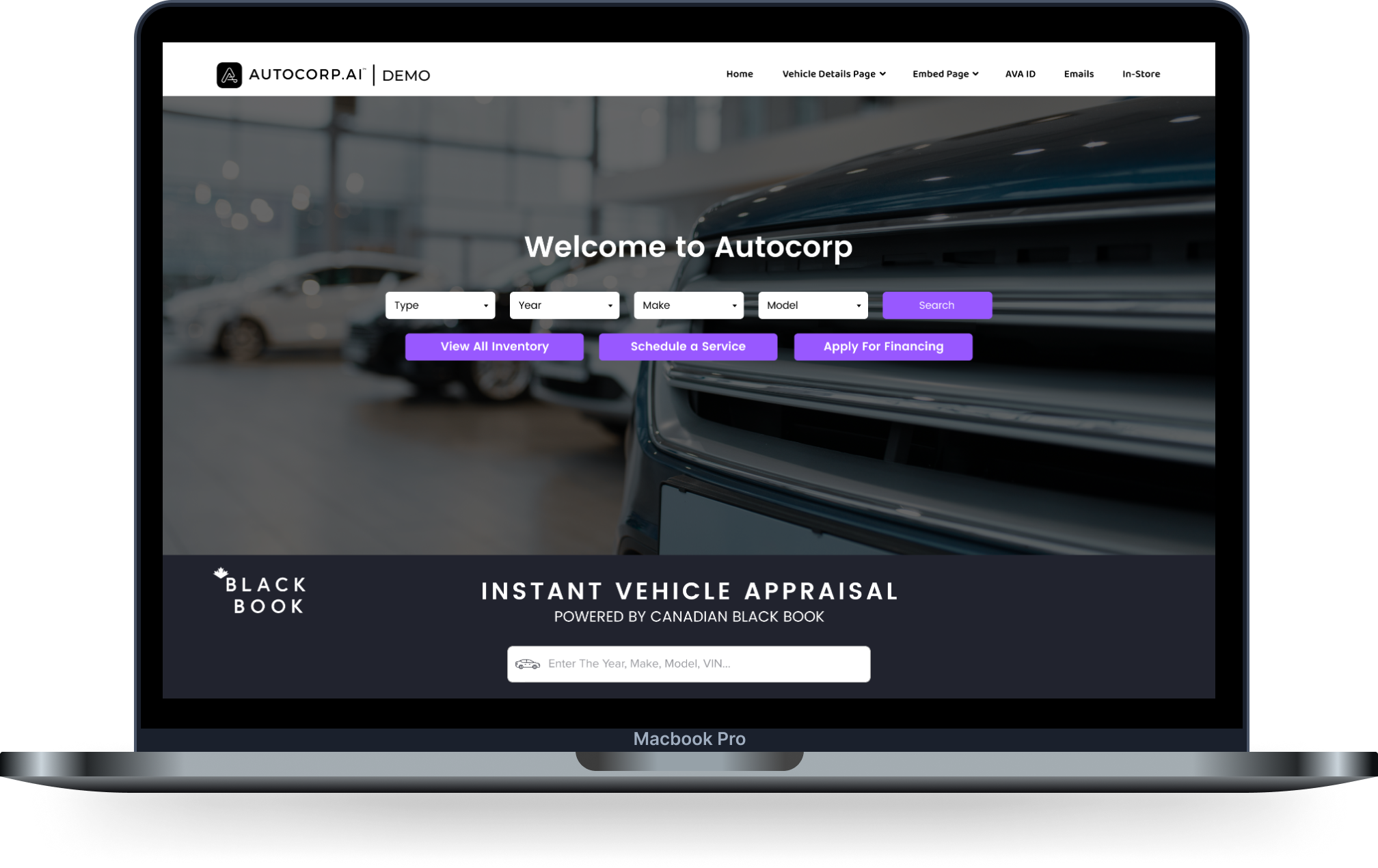
AVA™ Trade brings this data-driven approach directly to the dealership website. Powered by Canadian Black Book, AVA™ Trade allows shoppers to receive an instant, realistic estimate of their vehicle’s value online.
This experience benefits both the customer and the dealership. Shoppers gain clarity early, while dealerships capture high-intent leads with valuable vehicle information before the first visit.
By the time a customer walks into the showroom, they are no longer guessing. They arrive informed, prepared, and ready to have a serious conversation. This reduces friction, shortens negotiation time, and improves overall deal efficiency.

Dealerships using trade-in tools consistently see a shift in the quality of their foot traffic. Walk-ins become more purposeful and less exploratory.
Customers who already understand their trade value are more likely to book appointments, show up on time, and engage in meaningful discussions. Instead of browsing inventory with uncertainty, they are focused on completing a transaction.
This change has a ripple effect across the dealership. Sales teams spend less time chasing low-quality leads. Managers see faster deal progression. Customers experience less stress and more transparency.
In 2026, trade-in tools work best when integrated into a broader digital retail strategy. Shoppers expect continuity between online and in-store experiences.
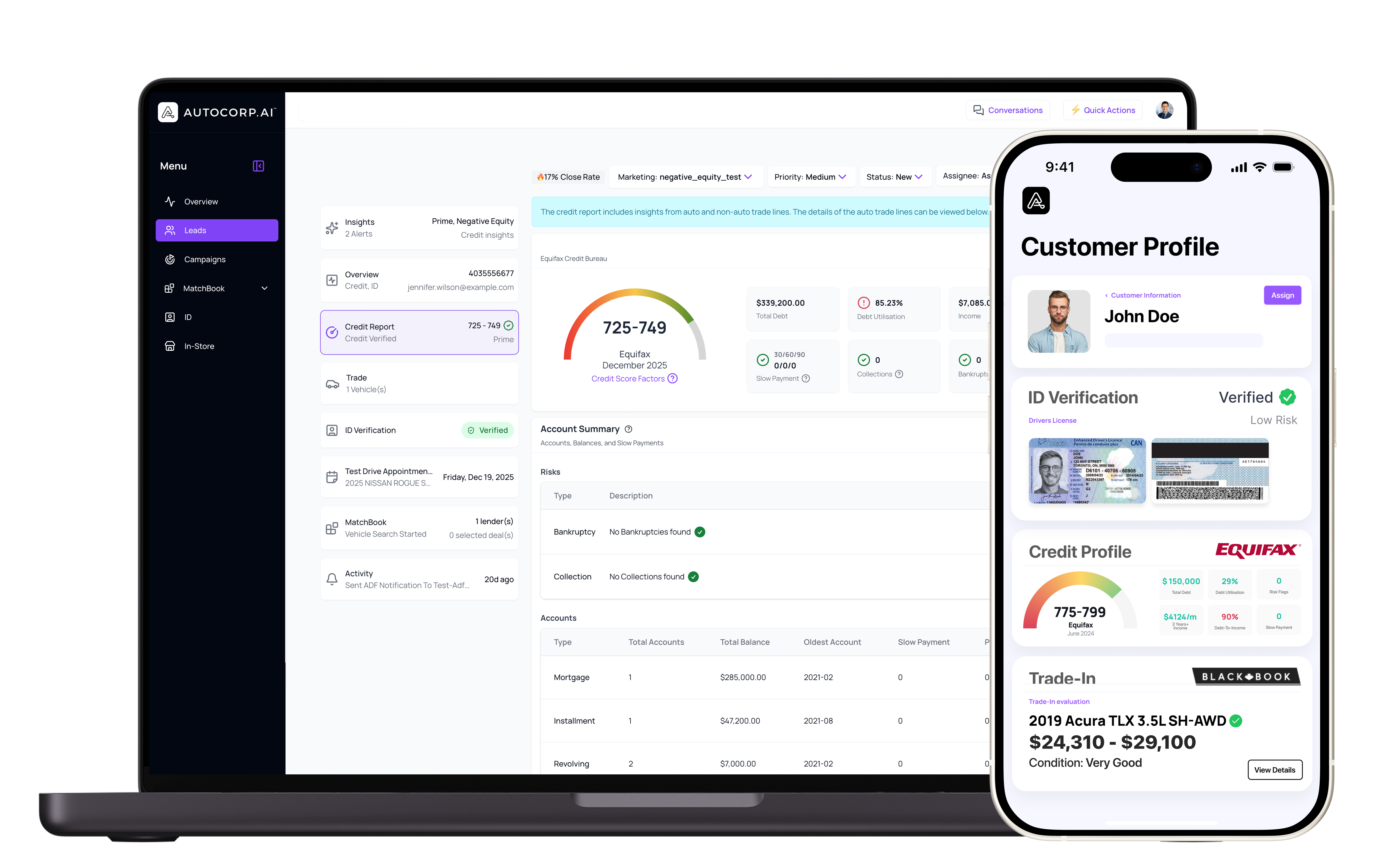
When trade-in data connects seamlessly with CRM systems, digital retailing platforms, and financing workflows, dealerships gain a complete picture of buyer readiness. This alignment allows teams to personalize conversations, recommend appropriate vehicles, and structure deals more efficiently.
Trade-in tools are no longer standalone features. They are a key data input that helps dealerships operate smarter and respond faster to buyer intent.
A trade-in tool is an online form that lets a shopper enter their vehicle details and get an estimated trade-in value. It helps shoppers plan their budget before they contact a dealership or visit the showroom.
They reduce a major unknown in the buying process: what the current vehicle is worth. When shoppers have a realistic estimate early, they are more likely to book an appointment and show up ready to talk numbers.
A shopper who completes a trade-in valuation shares specific details (vehicle year, mileage, condition, and more). That level of effort signals real intent, and it gives the sales team useful context before the first conversation.
Accuracy drives trust. Estimates that are too high can lead to frustration later, and low estimates can cause shoppers to leave. Using recognized sources like Canadian Black Book helps valuations match real market conditions and pricing trends.
AVA™ Trade is a trade-in tool powered by Canadian Black Book that gives shoppers an instant estimate online. It helps dealerships capture high-intent leads, collect vehicle details early, and support more efficient in-store conversations.
The dealerships winning in 2026 are not relying on chance walk-ins or outdated appraisal processes. They are meeting customers at the starting line of the buying journey.
Trade-in tools have become one of the most effective ways to drive showroom traffic because they address a core buyer concern early. When powered by reliable data like Canadian Black Book and delivered through solutions such as AVA™ Trade, these tools turn online curiosity into confident action.
Trade-ins will always play a central role in automotive sales. The difference today is how effectively dealerships use digital tools to bring those customers through the door, informed, motivated, and ready to buy.