For many small and mid sized dealerships, one of the biggest ongoing challenges is OEM allocation. Even when they consistently outperform their market, sell vehicles faster, and deliver higher quality customer experiences, they often feel overshadowed by larger stores that receive more attention and more units.
This imbalance is not new, but it has become more visible during the last few years. Inventory shortages, shifting consumer behaviour, and aggressive competition mean that allocation matters more than ever. A dealership with strong demand but limited supply can only grow so far, no matter how efficient the team is.
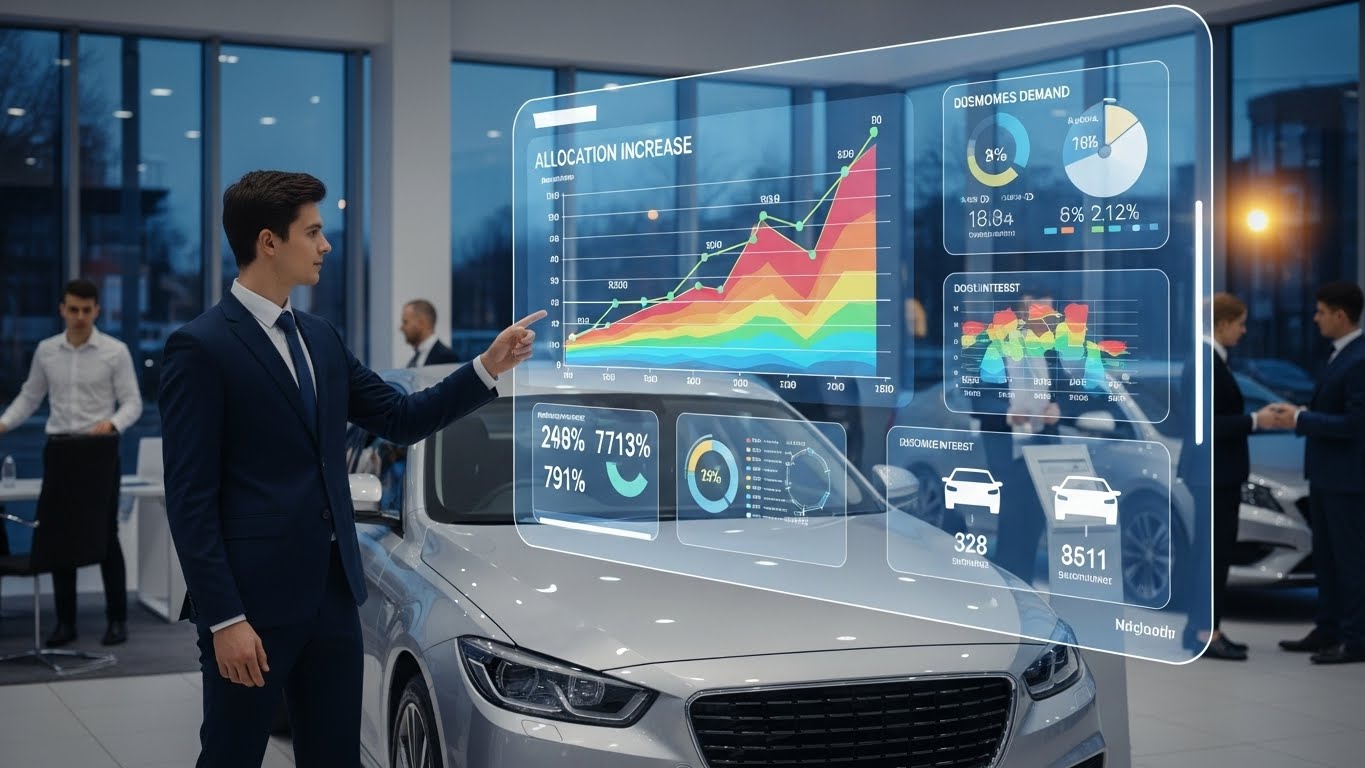
The good news is that dealership performance is becoming increasingly data driven. OEMs are paying closer attention to what stores are doing digitally, how fast they turn inventory, how strong their demand signals are, and how effectively they convert leads into sales. This creates a real opportunity for smaller dealerships to prove their value in measurable ways that manufacturers cannot ignore.
Below is a data focused approach to strengthening OEM allocation, even when the store is small compared with other rooftops in the network.
Large stores often appear to be busier simply because they have more vehicles to sell. Smaller stores with strong sales performance do not always get credit for the volume of demand they are generating.
This is where digital intent data becomes an advantage.
Dealerships can collect and present a wide range of demand indicators, including:
Even when inventory is low, these signals prove that the dealership has a large pipeline of buyers ready to purchase. OEMs care deeply about turn rate, and demand forecasting helps show exactly how many units the store could have sold if allocation matched its true market presence.
When you walk into an OEM meeting with documented buyer intent instead of anecdotal stories, you shift the conversation. You move from “we need more cars” to “here is the data that proves our market is under supplied.”
Manufacturers prioritize dealerships that convert quickly and consistently. If a smaller store has stronger turn rate than larger competitors, that is a powerful argument for increased allocation.
You should be tracking and reporting:
Turn rate is one of the biggest levers in allocation discussions because it shows how efficiently the dealership uses the inventory it receives.
If your store sells vehicles two to three times faster than a large-volume rooftop, that is a measurable performance advantage. Manufacturers are increasingly rewarding speed because it supports brand momentum and reduces floor plan expenses throughout the network.
Even if you are smaller, if your store moves units faster, you deserve more.

Not all leads are equal. OEMs understand this.
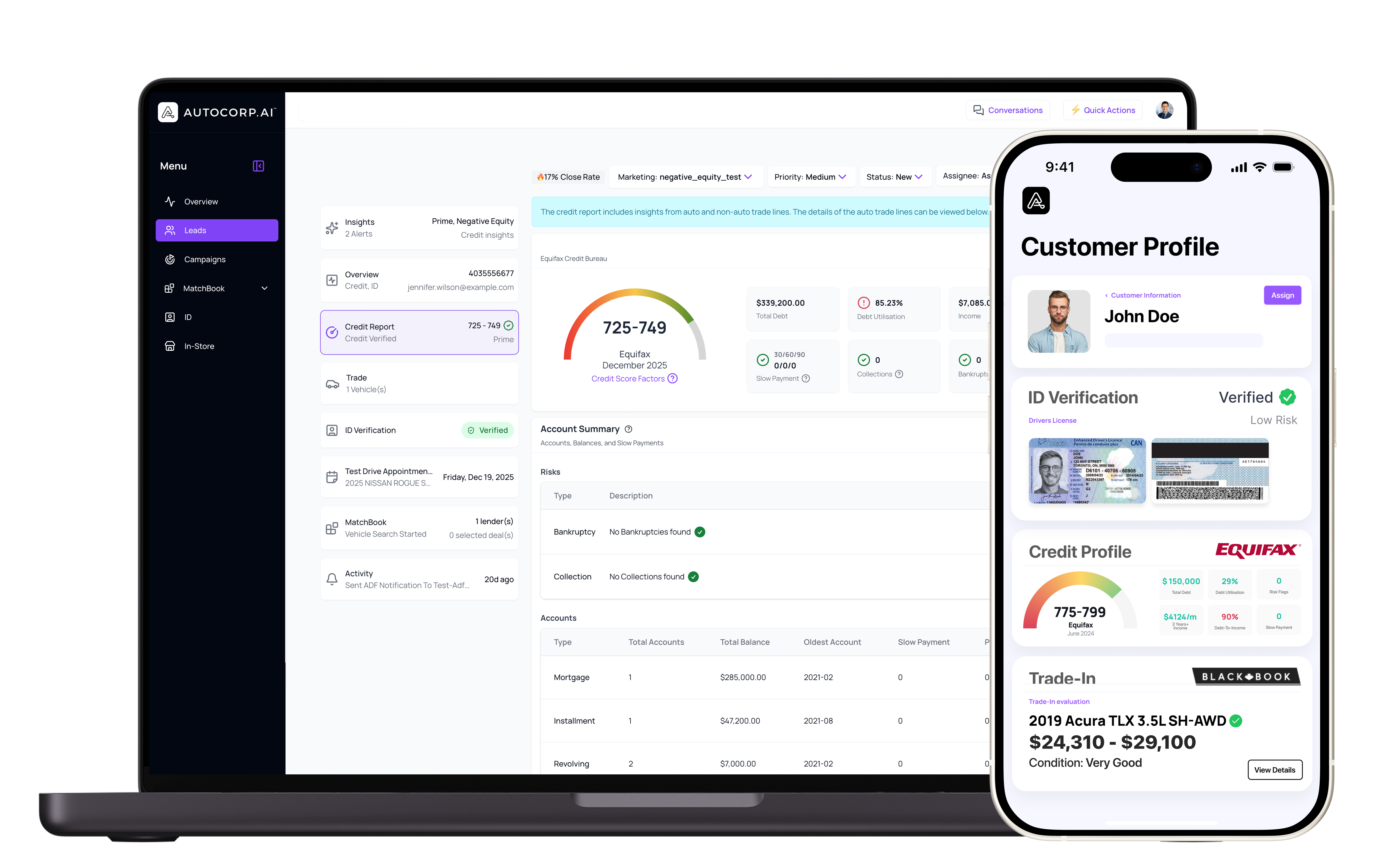
If you are generating high volumes of credit qualified shoppers, that is an extremely valuable metric. Credit qualified leads are significantly more predictive of real-world demand than website form fills or general inquiries.
Dealerships can present:
These insights demonstrate that your dealership is attracting ready-to-buy customers, not casual browsers. OEMs want to give inventory to stores where buyers have the financial capacity to close quickly. If your dealership consistently attracts financially qualified customers, you outshine stores with larger traffic but weaker conversion.
Credit qualified demand is one of the most effective ways for smaller dealerships to show that they punch above their weight.
Manufacturers often overlook the impact of trade in volume when evaluating dealership performance. Yet trade ins are one of the strongest indicators of purchasing intent because a customer who is selling a vehicle is very likely to buy one.
Track and present:
This data helps OEMs understand what your specific market wants, which models are in demand locally, and how many deals are being missed due to under allocation.
If you can show the OEM that you generated fifty trade in submissions for a model you only received six units of, you make a compelling case that they are underserving your store.
Manufacturers increasingly reward dealerships that invest in digital retailing because it improves the overall customer experience for the brand. Even small dealerships can outperform larger stores on digital readiness.
Show the OEM:
This proves that you are aligned with the OEM’s long term digital strategy and that your store is equipped to serve customers the way the modern market prefers.
A digitally strong dealership can sell more cars with less inventory, which is exactly what OEMs want to see.

When you combine these data points into a single narrative, you create a strong argument for increased allocation.
Your story looks like this:
This moves the conversation away from size and toward performance.
OEMs want to protect their market share, and the best way for them to do that is to allocate vehicles to the stores that can sell them fastest and most consistently. When you prove that your dealership is one of those stores, you shift the outcome.
Small dealerships often outperform larger ones in customer experience, agility, and efficiency. What they need is the data to prove it. With the right demand insights, digital signals, and performance metrics, any dealership can build a strong case for increased allocation.