The automotive industry is evolving faster than ever. Consumer expectations are rising, digital-first buying behaviours are becoming the norm, and competition is no longer limited to the dealership down the street. To stay relevant and profitable, dealerships must think beyond short-term fixes and focus on future-proofing their operations with the right automotive technology.
Future-proofing does not mean chasing every new tool or trend. It means building a flexible, scalable technology foundation that improves efficiency, protects margins, and creates better customer experiences today while preparing for what comes next.
Modern car buyers are informed, impatient, and digital-savvy. They expect transparency, speed, and convenience across every interaction. From researching vehicles online to securing financing and verifying identity, the buying journey now happens well before a customer steps into the showroom.
Dealerships that rely on outdated systems, manual processes, or disconnected tools struggle to keep up. Automotive technology is no longer a nice-to-have, it is essential for survival. The right technology helps dealerships reduce friction, improve trust, and make better decisions using real data instead of assumptions.
Financing remains one of the most critical and emotional parts of the car buying process. Many deals fall apart due to uncertainty around credit, long approval times, or customers fearing hard credit checks.
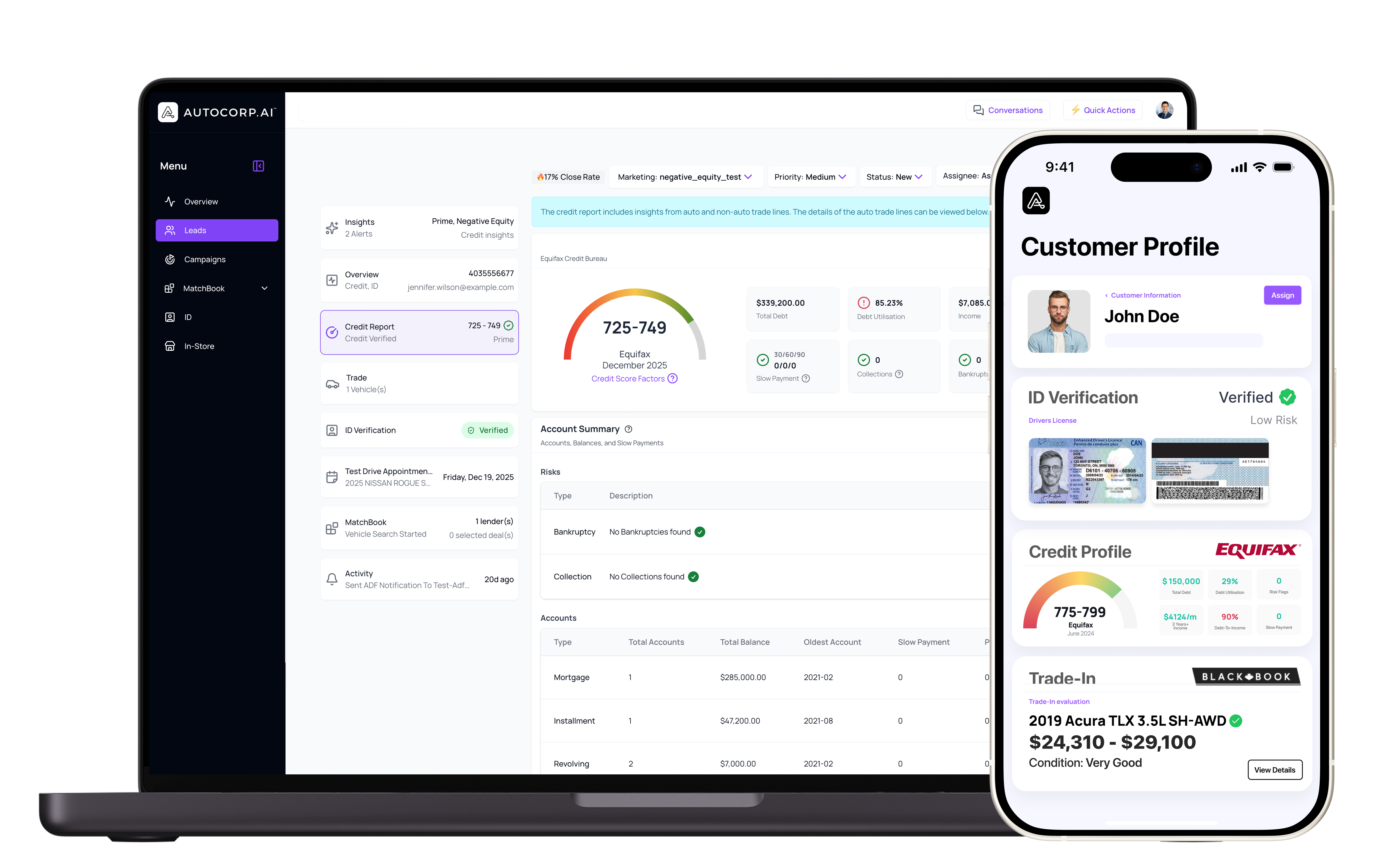
Future-ready dealerships are shifting toward credit-first strategies that allow buyers to understand their options earlier in the journey. Tools like AVA™ Credit support this approach by enabling soft credit checks that do not impact a customer’s score, while giving dealerships valuable insight into buying power and lender fit.
By introducing credit transparency upfront, dealerships can shorten the sales cycle, improve close rates, and create more confident conversations in both digital and in-store environments.
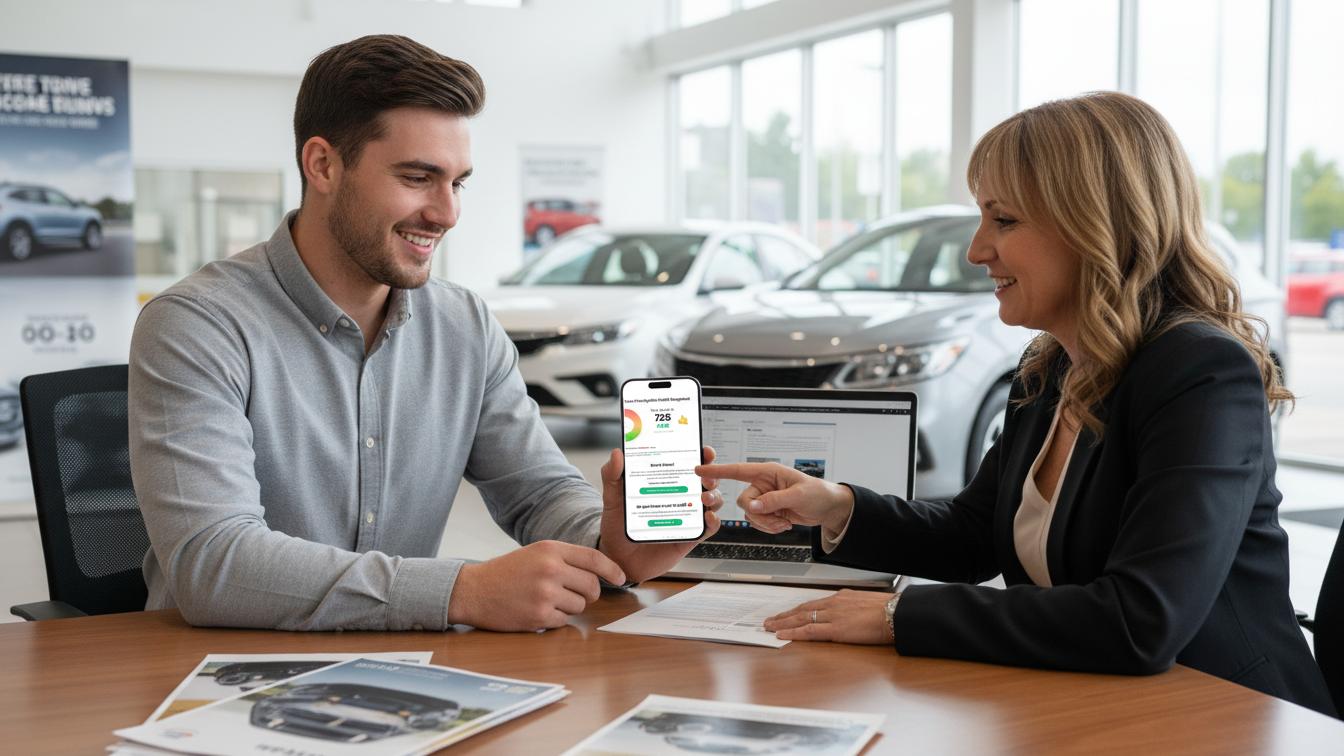
One of the biggest challenges dealerships face is the disconnect between online activity and showroom interactions. Customers often submit forms, browse inventory, or start applications online, only to repeat the same information once they arrive in-store.
Future-proof automotive technology focuses on continuity. Digital tools should work together so customer data, preferences, and progress follow them throughout the journey. Inventory matching, trade-in evaluations, credit insights, and test drive scheduling should all feed into a single workflow.
Platforms like AVA™ support this connected experience by bringing multiple steps of the buying journey into one ecosystem. When data flows smoothly, staff can spend less time re-entering information and more time building relationships.
As dealerships handle more digital transactions, protecting customer data has become a business-critical responsibility. Fraud attempts, identity theft, and compliance risks are rising across automotive retail.
Future-proofing means investing in automotive technology that prioritizes security and verification without adding friction for customers. Digital ID verification tools such as AVA™ ID allow dealerships to authenticate buyers quickly, reduce fraud risk, and store sensitive documents securely.
This approach protects the dealership while reinforcing customer trust at every touchpoint.
Automotive technology is not just about customer-facing tools. It also plays a major role in how dealerships operate behind the scenes.
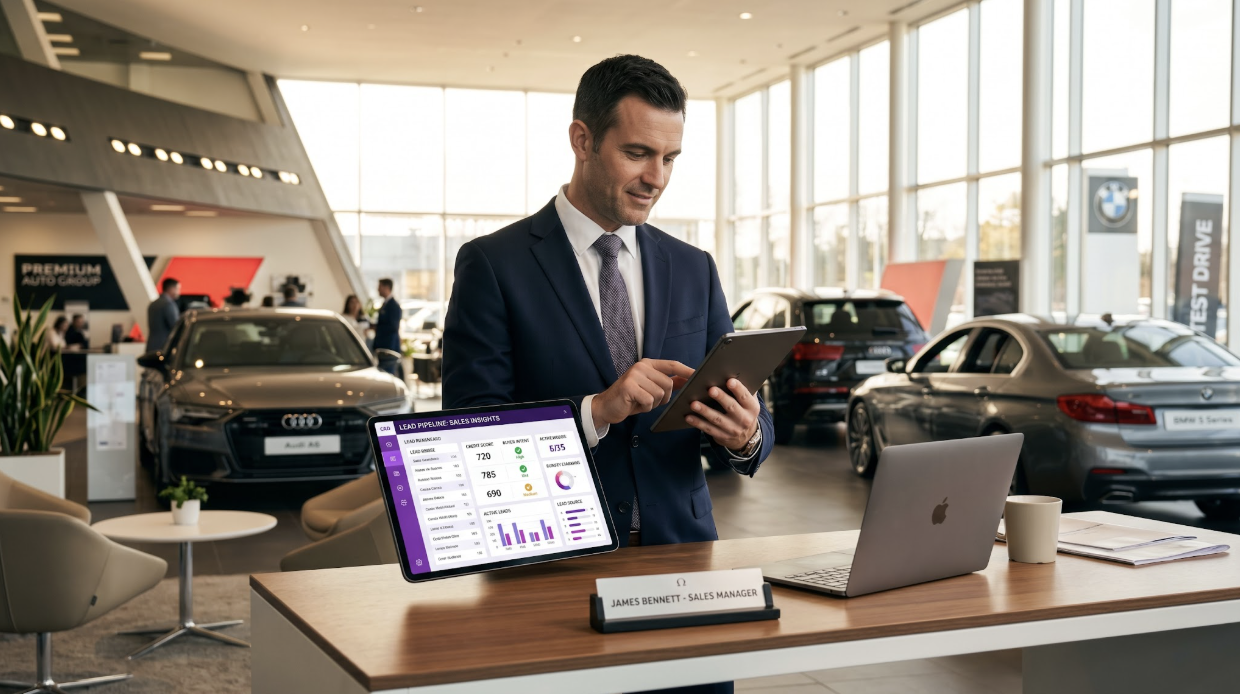
From understanding which leads are most likely to convert to identifying bottlenecks in the sales process, data-driven insights help dealerships allocate time and resources more effectively. Instead of treating every lead the same, teams can prioritize high-intent buyers and personalize follow-up strategies.
When credit data, trade-in information, and digital behaviour are connected, dealerships gain a clearer picture of performance and opportunity.
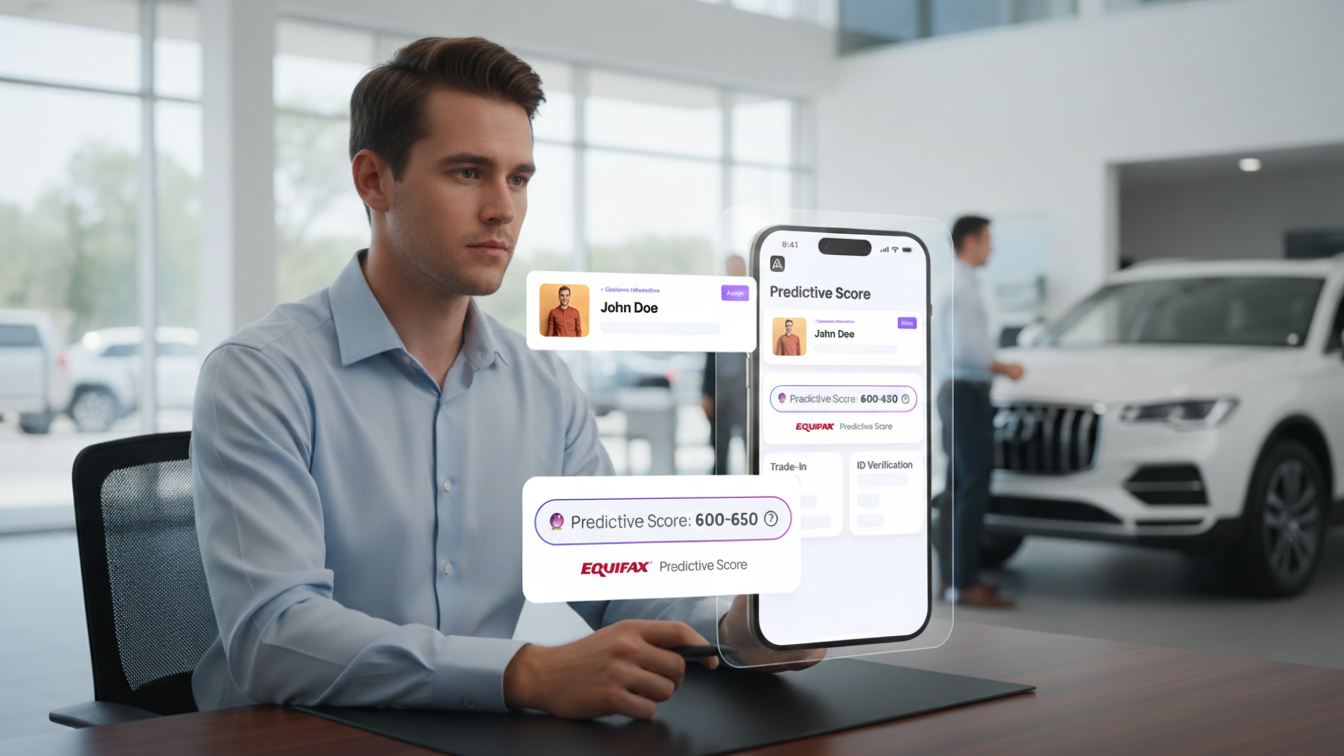
Even the best automotive technology will fall short without proper adoption. Future-proofing includes preparing your team to use tools confidently and consistently.
Training should focus not just on how to use the technology, but why it matters. Sales, F&I, and service teams should understand how digital tools improve customer experience, reduce friction, and support their success.
Platforms that offer intuitive workflows and strong onboarding support help ensure technology becomes an asset rather than a burden.
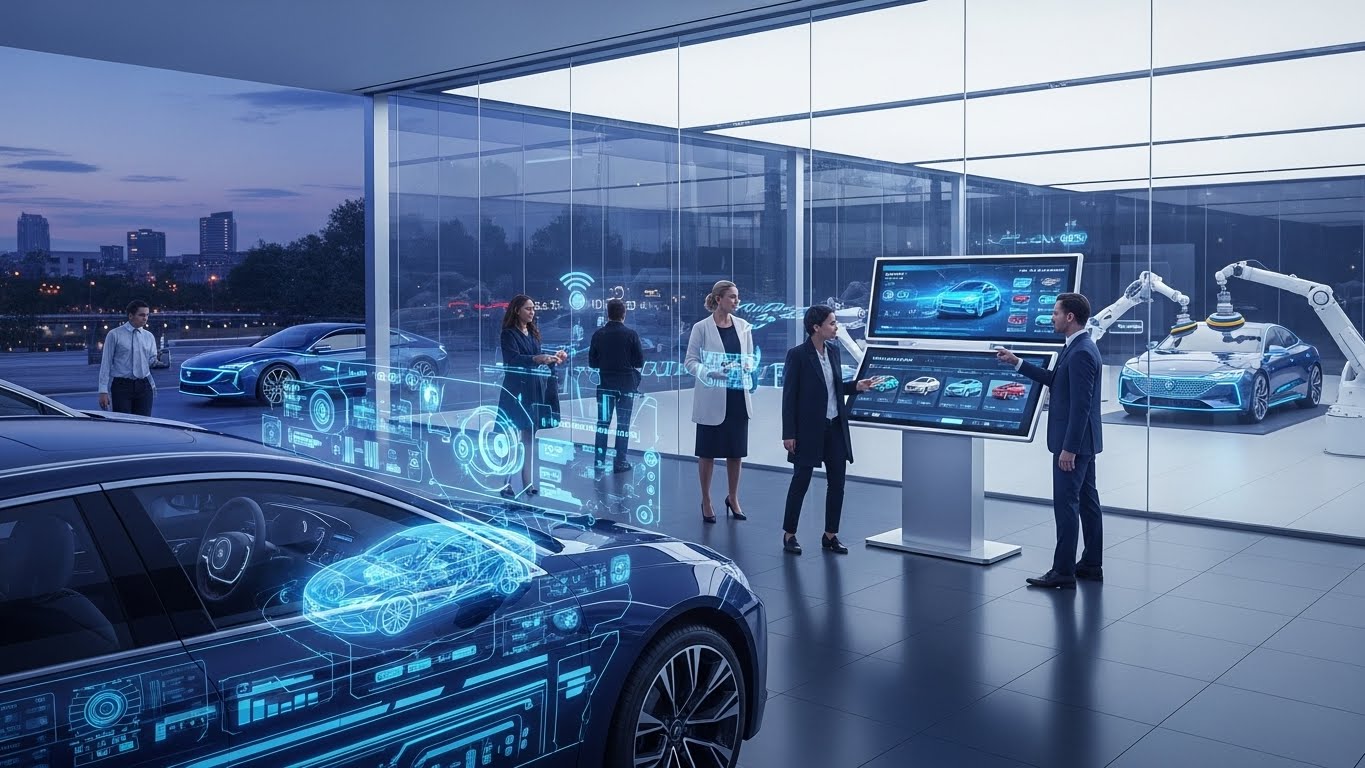
The future of automotive retail will continue to evolve. AI-driven personalization, changing privacy regulations, new financing models, and shifting consumer expectations are all on the horizon.
Future-proof dealerships choose automotive technology that is adaptable. Scalable platforms and tools that integrate easily with existing systems provide the flexibility needed to evolve without constant disruption.
Modern car buyers research online, compare offers, and expect quick answers. They want clear pricing, fast responses, and easy ways to handle financing and paperwork. Dealerships that rely on old, manual processes fall behind on speed, accuracy, and trust. Automotive technology helps remove friction, connect tools, and replace guesswork with real data so dealerships can compete and stay profitable.
A credit-first digital experience brings financing to the front of the journey instead of the end. Tools like AVA™ Credit use soft credit checks, which do not affect a customer’s score, to show real buying power early. This helps customers see what they can afford and helps dealerships match buyers with the right lenders faster. The result is shorter sales cycles, higher close rates, and less stress on both sides.
When online and in-store systems work together, customers do not have to repeat forms, details, and preferences. Inventory browsing, trade-in estimates, credit insights, and test drive bookings flow into one shared workflow. Platforms like AVA™ create this connected path so staff see the full history of each shopper. This saves time, reduces errors, and leads to smoother conversations and better experiences.
Dealerships handle sensitive information like IDs, income documents, and credit data. As more of this moves online, fraud and identity theft become bigger risks. Digital ID tools such as AVA™ ID help confirm that buyers are who they say they are, cut fraud attempts, and store key documents safely. Strong security protects customers, limits financial and legal risk, and builds long-term trust in the dealership.
Data from credit checks, trade-ins, online behaviour, and sales activity can show which leads are most likely to buy and where deals slow down. When these data points connect in one system, managers can spot bottlenecks, improve follow-up, and focus staff on high-intent shoppers. This makes operations more efficient and supports better margins without guessing.
Future-proofing your dealership with automotive technology is not about replacing people or over-automating the sales process. It is about empowering your team, improving customer trust, and creating efficient, connected experiences that meet modern expectations.
By adopting credit-first strategies, strengthening digital security, connecting online and in-store journeys, and using data more intelligently, dealerships can position themselves for long-term success. Dealerships that invest thoughtfully in automotive technology today will be the ones leading the industry tomorrow.