 Activix
  AutoTrader
  Black Book
  CarGurus
  Equifax
  TransUnion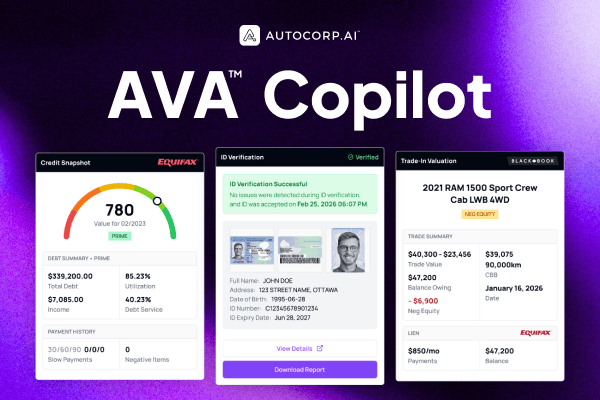


In today’s fast-paced automotive retail environment, the tools your sales team relies on can make the difference between a lead that converts and one that slips away. For years, traditional Customer Relationship Management (CRM) systems have been the backbone of dealerships, helping teams track leads, manage follow-ups, and organize customer data.
Key Takeaways
- Traditional CRMs store customer data, track activity, and support reporting, compliance, and accountability for dealership sales and BDC teams.
- AI sales assistants engage leads in real time (email, chat, SMS), automate follow-up, personalize messages, and help prioritize high-intent shoppers.
- CRMs often depend on manual data entry and rigid task workflows, which can cause missed follow-ups when teams get busy.
- AI sales assistants need solid setup and clean data, and they usually do not replace CRM reporting and compliance features.
- Most dealerships get the best results by using both, the CRM as the system of record and the AI assistant as the always-on front line for lead engagement.
Now, AI sales assistants are entering the scene, offering automation, predictive insights, and real-time engagement that traditional CRMs often can’t provide. But which approach truly works best for dealerships?
What Is a Traditional CRM?
A traditional CRM is a centralized database that stores all your customer information, lead records, and sales activity. It helps teams:
- Store and manage customer contact details
- Track interactions and follow-ups
- Schedule tasks and reminders
- Generate sales reports and pipeline insights
Popular automotive CRMs like VinSolutions, DealerSocket, and Elead have long been staples in the industry, providing structured workflows for sales and BDC teams to stay organized.

Strengths of Traditional CRMs:
- Centralized, structured lead tracking
- Clear reporting and accountability
- Easy integration with DMS and marketing tools
- Proven workflow for sales teams
Limitations:
- Heavy reliance on manual data entry
- Follow-up schedules can be generic and rigid
- Limited real-time personalization
- Opportunities may be missed if tasks aren’t completed promptly
What Is an AI Sales Assistant?
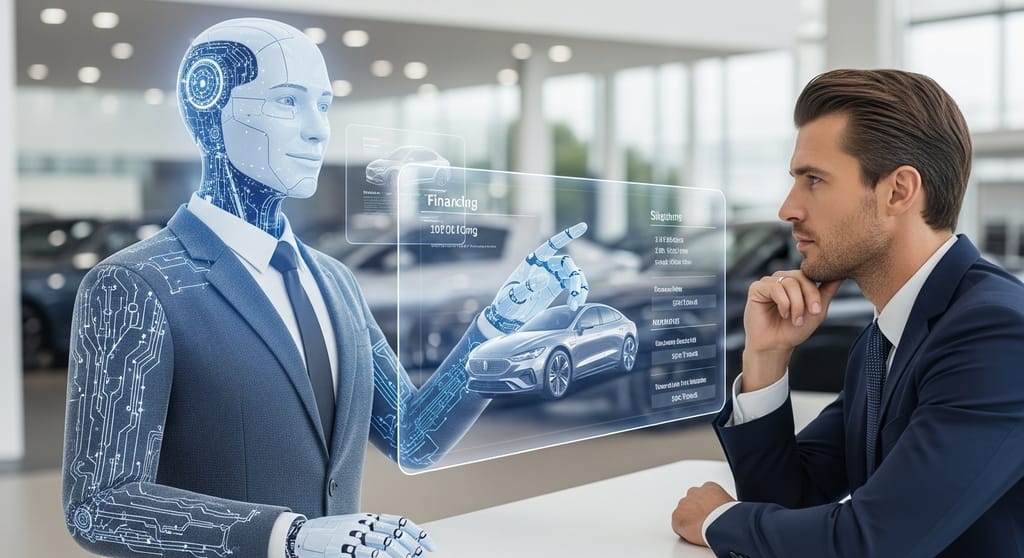
An AI sales assistant uses artificial intelligence to automate and enhance parts of the sales process. Unlike a CRM, it doesn’t just store data, it actively engages leads by:
- Responding instantly via email, chat, or SMS
- Following up automatically based on lead behavior
- Personalizing messages using customer preferences and data
- Predicting which leads are most likely to convert
- Integrating seamlessly with your website and digital retailing tools
AI sales assistants complement CRMs rather than replace them, acting as a front-line tool that ensures no lead goes cold.
Strengths of AI Sales Assistants:
- 24/7 instant engagement with new leads
- Personalized communication for higher conversion rates
- Lead scoring and prioritization
- Seamless integration with digital retail experiences
- Reduces workload for sales and BDC teams
Limitations:
- Requires proper setup and integration
- AI performance depends on data quality and algorithms
- May not provide the deep reporting and compliance tracking of a CRM
AI + CRM: The Winning Combination
For most dealerships, the real answer isn’t “AI or CRM”, it’s using both together.
- CRM: Acts as your system of record, compliance tracker, and reporting hub.
- AI Sales Assistant: Ensures every lead is engaged instantly, freeing your team to focus on building relationships and closing deals.
Dealers who combine AI assistants with CRMs report:
- Higher lead conversion rates
- Faster response times
- Reduced workload for sales teams
- More consistent follow-up processes
See how 650+ dealerships use AVA® to surface credit-qualified buyers before they sit down at the desk.
Dealer-Tested Tips for Success
Integrate, Don’t Isolate
Make sure your AI assistant feeds data directly into your CRM so no leads fall through the cracks.
Train Your Team
Salespeople need to understand how to use AI-generated insights to guide conversations and close deals.
Monitor & Adjust
AI tools improve over time. Review performance regularly and tweak messaging or triggers for optimal results.
Keep the Human Touch
AI can engage and qualify leads, but closing deals still benefits from real human interaction.
Frequently Asked Questions About Traditional CRM vs AI Sales Assistants for Dealerships
What does a traditional CRM do for a car dealership?
A traditional CRM acts as a central database for customer details, lead records, and sales activity. It helps teams track interactions, schedule tasks and reminders, and create sales reports so managers can monitor pipeline and follow-up.
What does an AI sales assistant do that a CRM usually does not?
An AI sales assistant actively engages leads instead of just storing information. It can respond instantly by email, chat, or SMS, follow up automatically based on behavior, personalize messages using available data, and help identify which leads are more likely to convert.
Do AI sales assistants replace a dealership CRM?
In most cases, no. AI sales assistants typically complement a CRM. The CRM remains the system of record for reporting and compliance, while the AI assistant focuses on fast, consistent lead engagement and follow-up.
What are the biggest limitations of traditional CRMs?
The main issues are reliance on manual data entry and manual task completion. Follow-up schedules can be generic, and opportunities can be missed if tasks are not completed on time.
What are the biggest limitations of AI sales assistants?
AI tools require proper setup and integration, and their results depend on data quality. They also may not offer the same depth of reporting and compliance tracking that a CRM provides.
The Bottom Line
Traditional CRMs are essential for managing your sales pipeline, compliance, and reporting. But they’re no longer enough for today’s digital-first car buyers.
AI sales assistants fill the gap, providing instant engagement, personalized communication, and smart lead prioritization. The combination of AI and CRM helps dealerships close more deals with less effort, increase efficiency, and deliver better customer experiences.
If you want to compete in 2026 and beyond, the key isn’t choosing between AI or CRM, it’s how fast you can make both work together.