
The finance manager at a car dealership is one of the most important, and often misunderstood, roles in automotive retail. While sales teams focus on finding the right vehicle, the finance manager is responsible for turning that deal into a completed transaction.
In today’s market, where margins are tighter and customers are more informed, the role of the finance manager has evolved. It’s no longer just about securing loans. It’s about speed, transparency, compliance, and maximizing every opportunity within a deal.
Here’s a clear breakdown of what finance managers actually do and why they’re critical to dealership success.
At a high level, the finance manager sits between the customer, the dealership, and the lender. Their job is to structure deals, secure approvals, and present financial products, all while ensuring the process is smooth and compliant.
But in reality, their responsibilities go much deeper.

The most visible part of the role is helping customers secure financing.
Finance managers work with banks, credit unions, and lenders to find loan options that fit each customer’s financial situation. This includes:
Speed matters here. The faster a deal gets approved, the more likely it is to close.
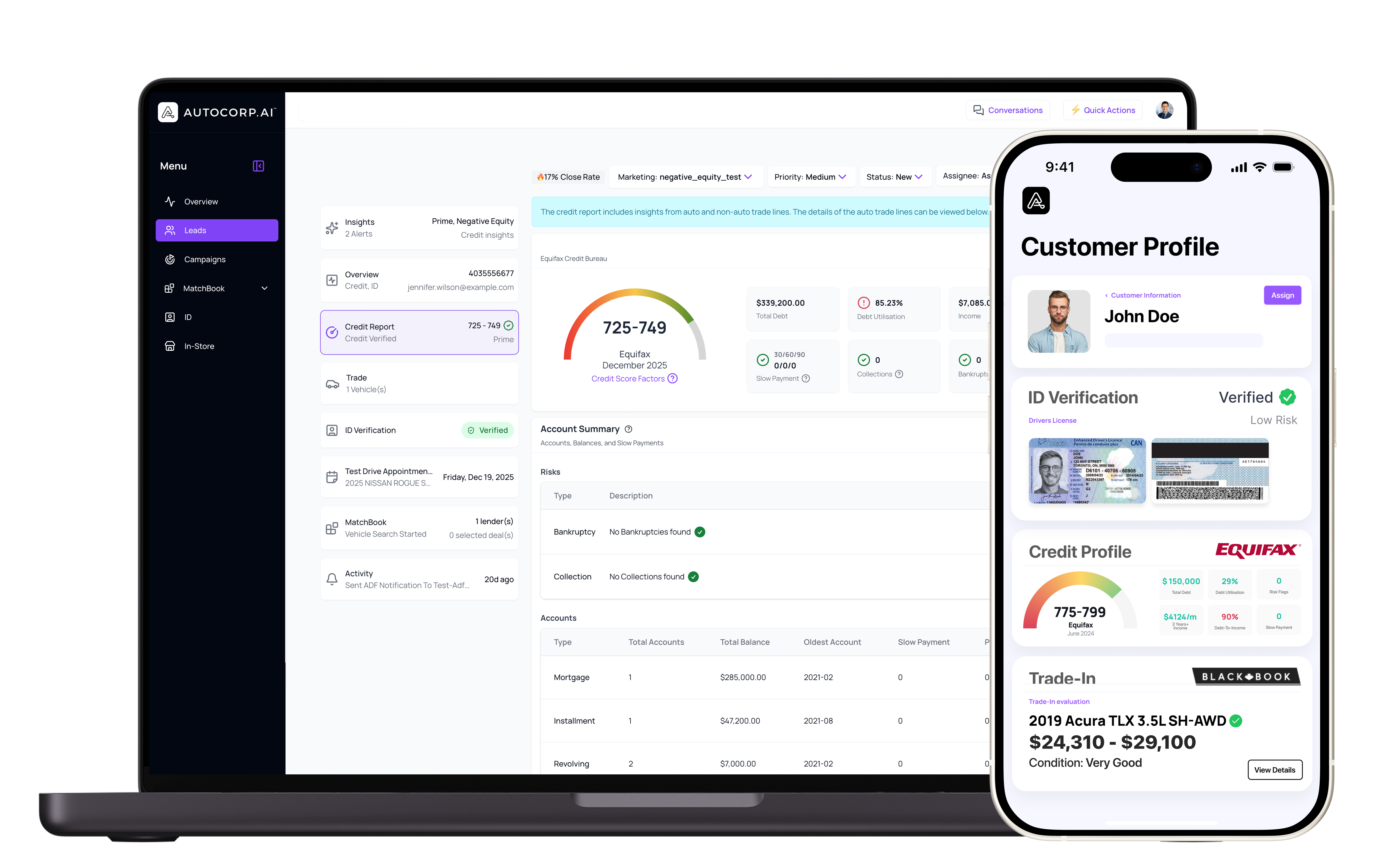
Many dealerships are now introducing tools that help move this process earlier in the journey. For example, solutions like AVA Credit™ allow customers to complete a soft credit check before they even arrive, helping finance managers start with more qualified buyers and reduce time spent on unworkable deals.
Finance managers are also responsible for presenting additional products that increase both customer value and dealership profitability.
These may include:
The key is relevance. Today’s customers are less responsive to generic pitches and more likely to engage when products are clearly explained and tied to their needs.
A strong finance manager doesn’t “sell add-ons”, they position products as practical solutions that protect the customer’s investment.
Compliance is a major part of the role, and one that carries real risk if handled incorrectly.
Finance managers must ensure every deal follows federal, provincial, and lender-specific regulations. This includes:
Mistakes here can lead to legal issues, funding delays, or lost deals.
Attention to detail is critical. Every document, signature, and number must be correct before a deal is finalized.
Beyond approvals and paperwork, finance managers play a direct role in dealership profitability.
They influence:
Small improvements in these areas can have a significant impact over time. That’s why top-performing dealerships invest heavily in strong finance processes and tools.
The finance office is often where deals are won or lost.
Customers today expect a fast, transparent, and pressure-free experience. If the process feels slow or confusing, trust can quickly break down.
Strong finance managers focus on:
When customers understand what they’re signing and why, they’re far more likely to move forward confidently.

Success in this role requires a mix of technical knowledge and people skills.
The most effective finance managers typically excel in:
The role comes with pressure. Finance managers are expected to balance speed, compliance, profitability, and customer satisfaction all at once.
Some common challenges include:
This is why many dealerships are rethinking how and when the finance process begins. Bringing steps like credit qualification and identity verification earlier in the journey can remove friction and improve overall efficiency.
As the automotive industry becomes more digital and data-driven, the finance manager’s role continues to grow in importance.
They are no longer just closing deals, they are:
Dealerships that prioritize strong finance processes will close deals faster, reduce friction, and ultimately sell more vehicles.
The finance manager is one of the most critical roles in any car dealership. They connect sales to funding, ensure compliance, and directly impact both profitability and customer satisfaction.
As expectations continue to rise, the dealerships that succeed will be the ones that empower their finance teams with better processes, better tools, and better visibility into each deal.
Because at the end of the day, no deal is complete until the finance manager signs off on it.