 Activix
  AutoTrader
  Black Book
  CarGurus
  Equifax
  TransUnion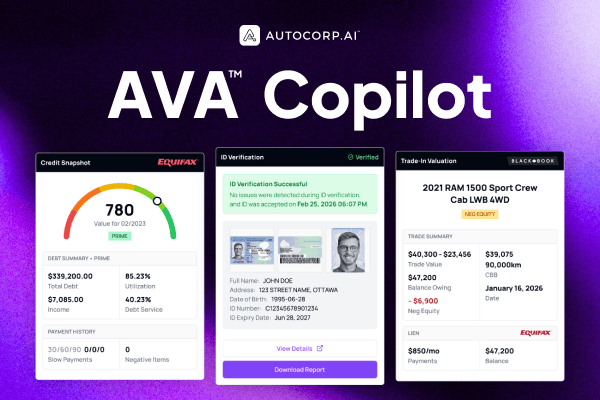



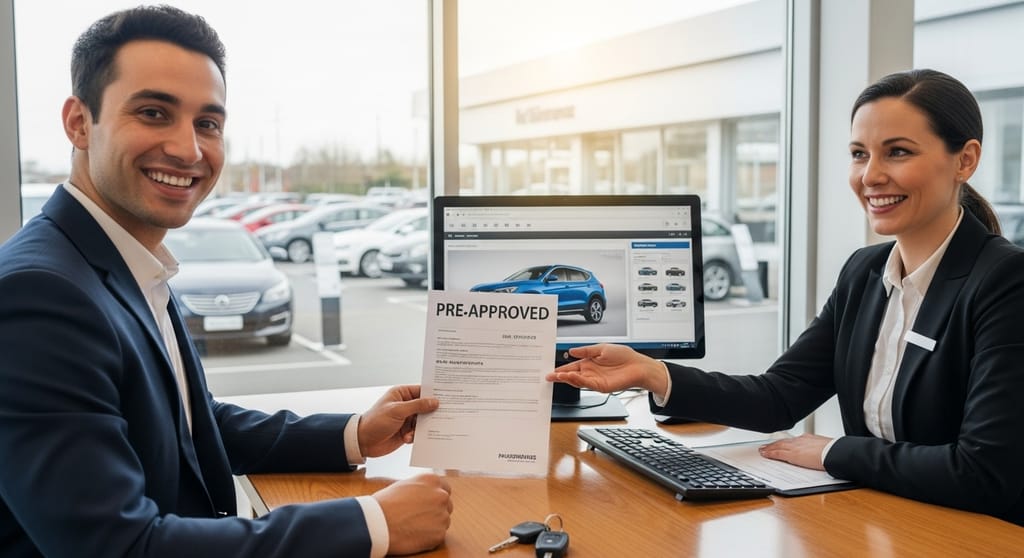
In today’s dealership environment, the finance office is where deals are finalized, profits are protected, and customer trust is either strengthened or lost. While sales teams often get the spotlight, the reality is simple: without a strong finance manager, deals slow down, approvals fall apart, and revenue is left on the table.
If you want to improve profitability, speed up deals, and create a better customer experience, you need to set your finance manager up for success from the start.
Here’s how to do it.
Key Takeaways
- Bring the finance manager into the buying process earlier so customers understand financing steps before the final handoff.
- Use early credit insight, such as soft credit data, to shape realistic deals upfront and reduce late-stage changes.
- Improve communication between sales and F&I so finance managers receive key details like budget, trade-in plans, and credit concerns before meeting the customer.
- Cut wait times and idle gaps by preparing deal structure in advance, which helps keep buyers confident and engaged.
- Give finance managers the right tools and a clear, transparent process so they can move deals faster, explain options clearly, and build trust.
1. Start the Finance Process Earlier
One of the biggest mistakes dealerships make is waiting too long to involve the finance manager.
Traditionally, customers meet F&I after they’ve already agreed to a deal. At that point, they’re mentally “done,” which makes it harder to introduce financing options, protection products, or alternative structures.
Instead, bring finance into the process earlier.
This doesn’t mean handing off the customer right away. It means:
- Introducing the finance manager during the early stages
- Setting expectations around financing and next steps
- Positioning F&I as part of the overall experience, not a final step
When customers feel familiar with the finance manager before entering the office, conversations become smoother, faster, and more productive.
2. Prioritize Early Credit Insight
Modern dealerships are shifting toward understanding buying power earlier in the process, and for good reason.
When finance managers walk into a deal blind, they’re forced to:
- Rework deals late in the process
- Reset customer expectations
- Spend more time chasing approvals
Using tools like AVA™ Credit, dealerships can access soft credit insights early without impacting the customer’s score. This allows both sales and finance teams to:
- Structure realistic deals upfront
- Focus on qualified buyers
- Reduce friction in the finance office
The result is a faster, more confident buying experience for everyone involved.
3. Improve Communication Between Sales and F&I
A successful finance manager is only as effective as the information they receive.
Too often, deals are handed off with little to no context, forcing the finance manager to “start over” with the customer. This creates frustration and slows everything down.
Instead, build a process where sales teams consistently pass along key details, such as:
- Customer budget and payment expectations
- Intended vehicle use (commuting, family, business)
- Trade-in details
- Down payment plans
- Credit expectations or concerns
When finance managers have this context, they can tailor solutions immediately, rather than asking repetitive questions.
Better communication leads to faster deals and a better customer experience.

4. Create a Seamless Handoff Experience
The transition from sales to finance is one of the most critical moments in the dealership process.
If handled poorly, it can feel abrupt, confusing, or even stressful for the customer.
Voyez comment plus de 650 concessionnaires utilisent AVA® pour repérer les acheteurs qualifiés au crédit avant qu'ils ne s'assoient au bureau.
To improve this:
- Clearly explain what happens next
- Reinforce the value of the finance manager’s role
- Avoid making the handoff feel like a “handoff” at all
For example, instead of saying “You’re going to finance now,” position it as:
“Next, we’re going to finalize everything and make sure you have the right options in place.”
This small shift in language helps maintain momentum and keeps the customer engaged.
5. Reduce Wait Times and Idle Gaps
Few things hurt deal momentum more than waiting.
When customers sit around too long before entering the finance office, they start second-guessing their decision. This can lead to hesitation, objections, or even lost deals.
To avoid this:
- Keep customers engaged while they wait
- Set clear expectations on timing
- Ensure finance managers are prepared ahead of time
Better yet, reduce wait times altogether by preparing deals earlier in the process. When finance managers already have credit insight and deal structure in place, they can move quickly when the customer is ready.
6. Equip Finance Managers With the Right Tools
Your finance manager’s performance is directly tied to the tools you give them.
Disconnected systems, manual processes, and incomplete data slow everything down and increase the chance of errors.
Modern dealerships are equipping their F&I teams with tools that:
- Provide instant access to credit insights
- Verify customer identity early
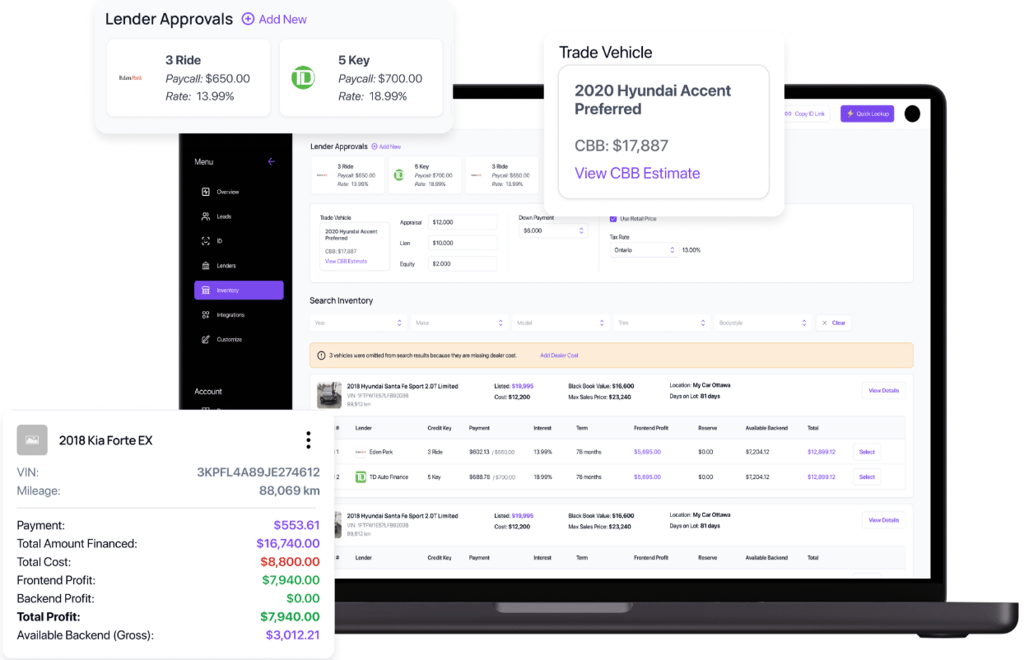
- Streamline deal structuring and approvals
This not only improves efficiency but also reduces risk, especially as fraud and compliance challenges continue to grow.
7. Focus on Transparency and Trust
Today’s car buyers are more informed than ever. They expect clarity, not confusion.
Finance managers who succeed in 2026 are the ones who:
- Clearly explain financing options
- Set realistic expectations upfront
- Avoid surprises late in the process
Transparency builds trust, and trust leads to higher product penetration, smoother approvals, and more repeat customers.

Final Thoughts
Setting up your finance manager for success isn’t about one change, it’s about improving the entire process around them.
When you:
- Involve finance earlier
- Provide better information
- Use tools like AVA™ Credit to understand buyers upfront
- Create smoother transitions
Everything improves.
Deals move faster.
Customers feel more confident.
And your dealership becomes more profitable.
In a competitive market, the finance office isn’t just part of the process, it’s a major driver of success.