
Trade-in leads are some of the highest-intent opportunities your dealership receives. But even the hottest lead can fall flat if it is not handled quickly, strategically, and professionally.
A trade-in lead is different from a VDP inquiry or a credit application. This prospect is not just looking to buy, they are looking to sell you something first. They want to know what their vehicle is worth before they move forward on purchasing another one.
In 2026, where customers expect instant answers and seamless digital experiences, dealerships must rethink how they handle trade-in leads if they want to increase conversion rates.
Here is how successful dealerships are winning more trade-in deals this year.
Speed is everything in 2026.
Consumers submitting a car trade-in form are often shopping multiple dealerships at once. If you wait 30 minutes or longer to respond, you are likely already behind.
Your dealership should:
The first response should not be a generic “When can you come in?” Instead, it should acknowledge their vehicle and start a conversation around its value.
This is where having the right tool matters.
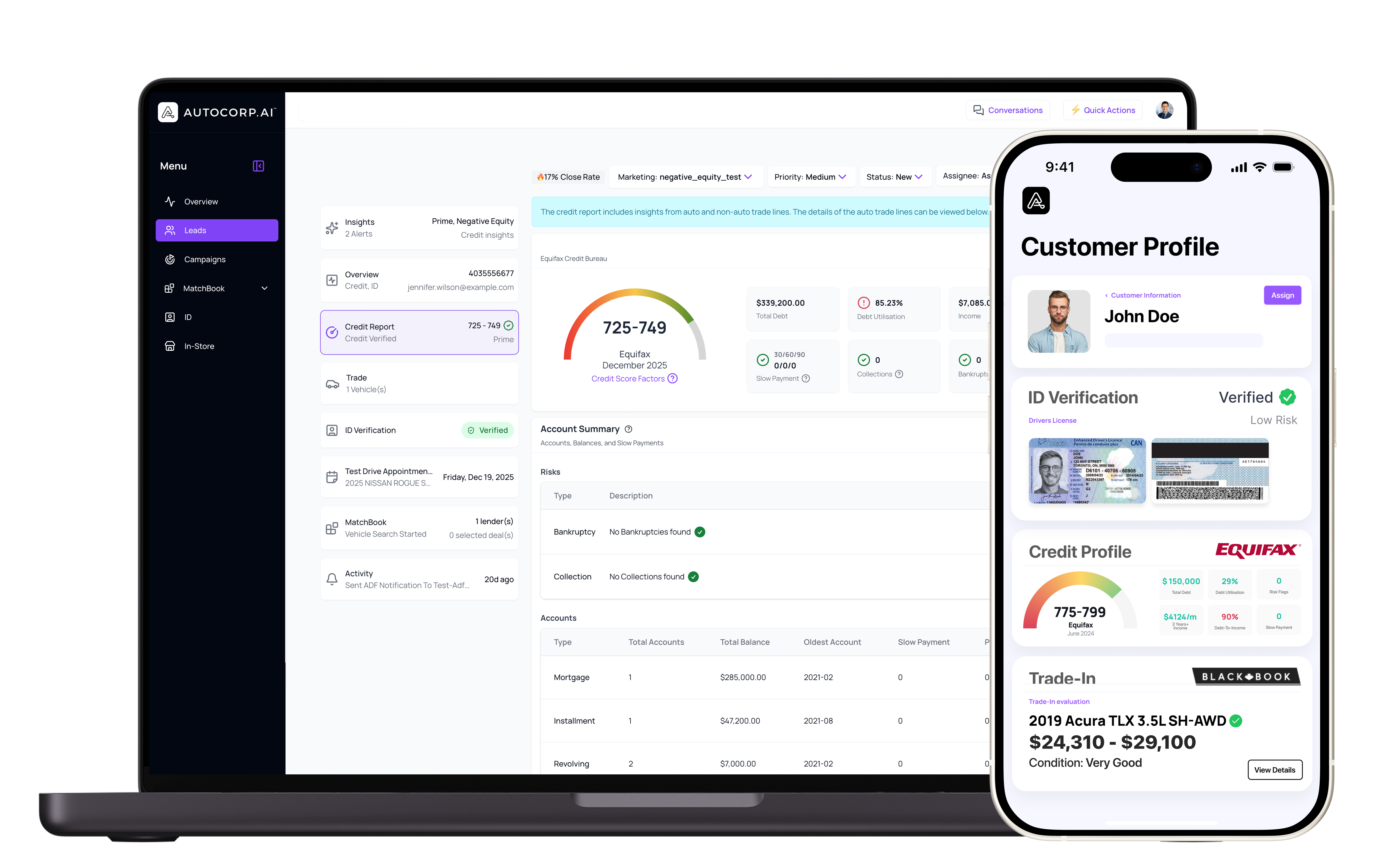
AVA™ Trade allows your team to instantly access accurate valuation data using trusted Canadian Black Book insights. Instead of scrambling to figure out a number, your team can confidently engage the lead with real information right away.
Fast, informed responses dramatically increase engagement.
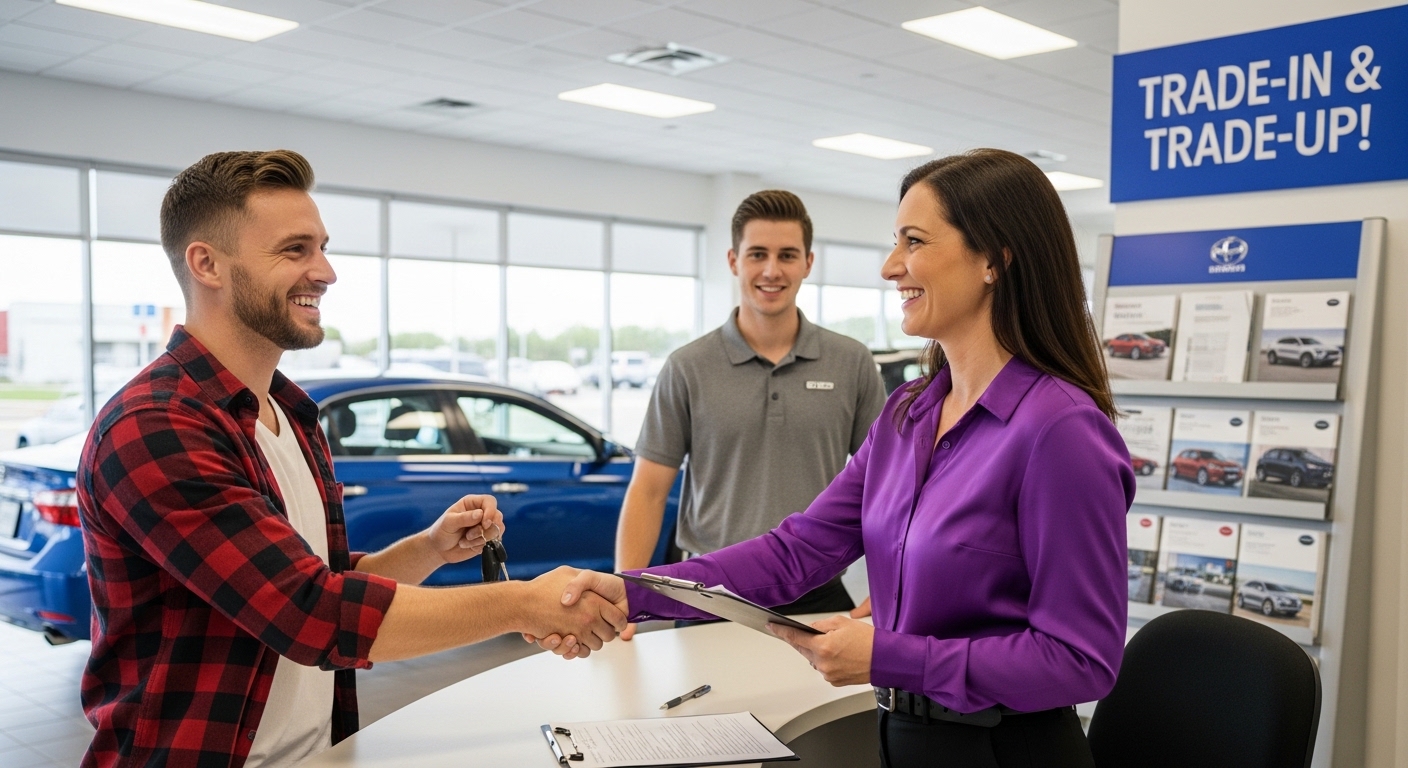
Trade-in leads should not be treated like general internet leads.
These prospects are asking for an appraisal. That requires product knowledge, market awareness, and confidence in vehicle valuation. If these leads are filtered through a general BDC queue without specialization, conversion drops.
Top performing dealerships in 2026 are:
When a customer feels they are speaking to someone knowledgeable about their vehicle, trust increases immediately.
Pair that expertise with AVA™ Trade and your dealership can quickly evaluate condition, trim levels, and current market trends, helping you present realistic and competitive offers.
One of the biggest mistakes dealerships still make is pivoting too quickly to their own inventory.
A trade-in lead is focused on one thing first: “What will you give me for my car?”
In 2026, personalization wins. Your messaging should revolve around their vehicle.
Instead of saying:
“Hi, we are the number one volume dealership in the area. When can you come in?”
Try:
“Hi Sarah, thanks for submitting your 2019 Honda CR-V. Quick question, does it have the Touring package and how many keys do you currently have?”
Specific questions show effort. They also increase response rates because they invite conversation.
When you combine this personalized outreach with valuation insights from AVA™ Trade, you create a data-backed, consultative approach rather than a sales pitch.
Text messaging continues to dominate customer communication preferences in 2026. Open rates remain significantly higher than email, and customers expect fast, convenient dialogue.
However, dealerships must implement texting strategically.
Best practices include:
Trade-in conversations often require back and forth about condition, mileage, features, or accident history. SMS is ideal for this.
The key is to make the interaction feel natural, not scripted.

The most successful dealerships do not treat trade-ins as standalone transactions.
Instead, they integrate trade-in value into the full buying experience.
With AVA™ Trade, your team can:
When customers see how their vehicle equity impacts their next purchase, the conversation shifts from negotiation to opportunity.
This approach increases both trade-in conversion and overall deal gross.
Trade-in leads are not secondary opportunities. They are powerful entry points into new deals and fresh inventory.
Dealerships that respond fast, personalize communication, assign the right people, and use tools like AVA™ Trade are seeing higher engagement, stronger margins, and better inventory flow.
In 2026, increasing trade-in lead conversions is not about working harder. It is about working smarter, with the right strategy and the right technology.
If your dealership wants to convert more car trade-in leads and maximize their value, it starts with upgrading how you handle them.