
The way customers buy vehicles has changed. Today’s shoppers spend less time browsing lots, take fewer test drives, and expect faster answers than ever before. If your dealership wants to increase car sales, speed and convenience are no longer optional, they’re essential.
Text messaging has become one of the most effective tools for modern automotive sales teams. Nearly every buyer carries a smartphone, and most prefer quick, direct communication over voicemail or email. When used correctly, texting can shorten response times, improve customer experience, and help your team close more deals.
Here’s how to use text messaging strategically to grow car sales without overwhelming your staff or your customers.
Speed matters in automotive sales. When a prospect submits a lead, every minute counts. Phone calls often go to voicemail, and emails can be ignored or filtered into spam. A well-timed text message, however, is usually seen within minutes.
Quick responses signal professionalism and attentiveness. They also keep buyers engaged while their interest is high. The faster you connect, the more likely you are to move that lead toward an appointment, test drive, and ultimately a sale.
In competitive markets, the dealership that replies first often wins the opportunity.
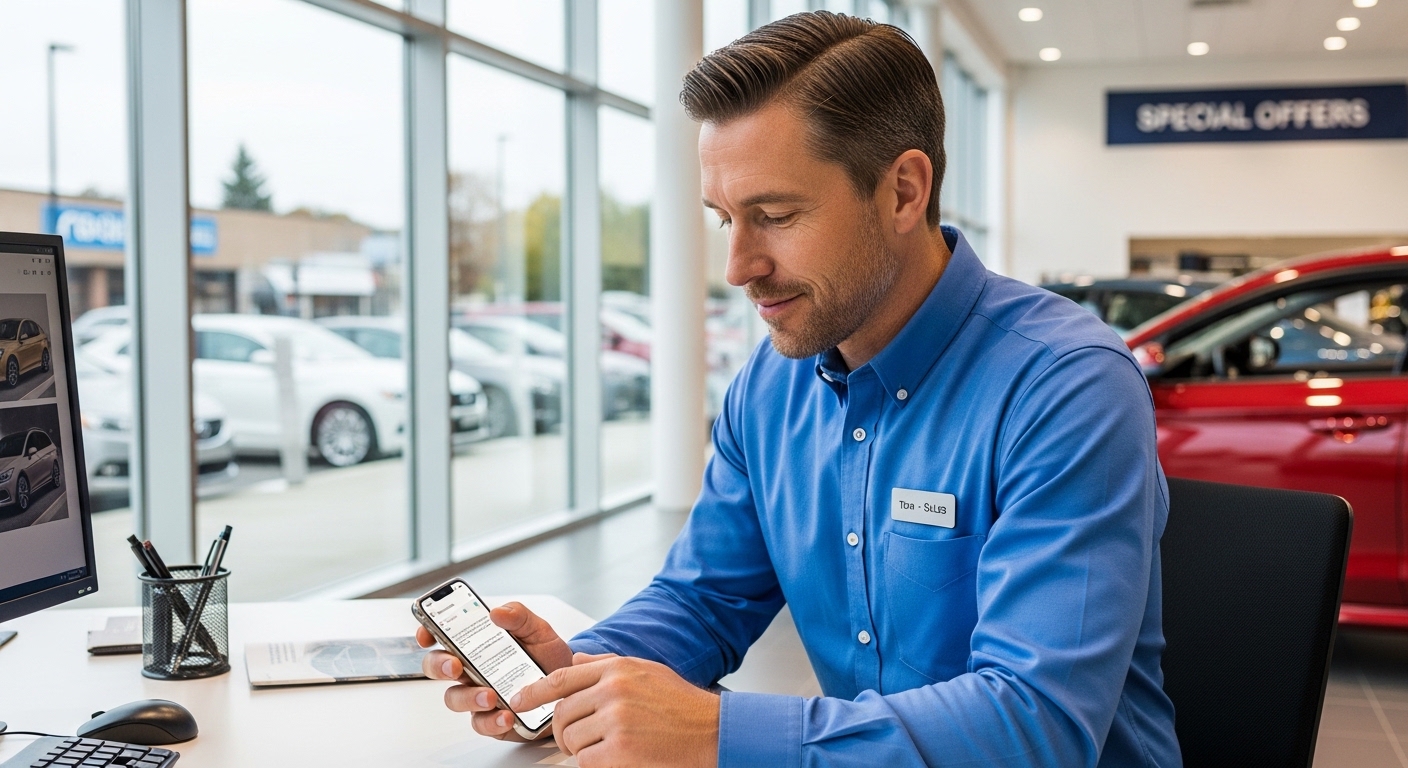
For many shoppers, visiting a dealership can feel intimidating. Text messaging removes much of that pressure. It allows customers to ask questions, compare options, and explore financing details at their own pace.
When buyers feel comfortable, conversations become more transparent. They’re more likely to share concerns about budget, trade-in value, or credit. That openness helps your team position the right vehicle and build trust—two critical ingredients for increasing car sales.
Unlike in-person selling, texting allows sales professionals to communicate with multiple prospects simultaneously. This increases productivity without sacrificing personalization, if done correctly.
Instead of waiting for a single showroom interaction to conclude, your team can:
The key is balancing efficiency with quality. Managing several conversations at once can boost car sales, but only if each interaction remains thoughtful and relevant.
Vehicle photos, walkaround videos, brochures, and even short explainer clips can be sent instantly via text. This adds visual engagement to your communication and keeps buyers excited about the vehicle they’re considering.
If a customer asks about a specific trim, colour, or feature, you can respond with proof in seconds. That immediacy keeps momentum strong and reduces the chance they’ll continue shopping elsewhere.
Templates save time, especially when managing high lead volumes. But generic messages can feel robotic.
Create flexible text templates that include placeholders for the customer’s name, the vehicle they’re interested in, or their preferred appointment time. Then customize each message slightly before sending it.
For example, instead of:
“Thanks for your inquiry. Let me know if you have questions.”
Try:
“Hi Sarah, I saw you’re interested in the 2023 Civic. It’s available in blue and black, would you like a quick video walkaround?”
Small adjustments make a big difference in engagement.
To make this even easier, AVA™ offers built-in SMS templates designed specifically for dealerships. These templates help sales teams respond quickly while maintaining a professional, personalized tone, saving time without sacrificing quality. When integrated into your workflow, they streamline communication and support higher car sales through consistent follow-up.
Every buyer has questions or objections. They may worry about monthly payments, credit approval, or trade-in value. Text messaging gives you time to craft thoughtful responses instead of reacting on the spot.
If someone says they’re unsure about financing, respond with solutions, not pressure. Offer to explore options, estimate payments, or schedule a quick call to review details.
The dealerships that consistently increase car sales are the ones that anticipate objections and address them proactively.
Text lacks tone of voice and body language, which means clarity is critical. Short, upbeat messages work best.
Avoid overly formal language. Write naturally, but professionally. A friendly tone makes the interaction feel human rather than transactional.
Emojis can be effective in moderation, especially to express enthusiasm or confirm positive news. However, they should match your brand voice and customer demographic.
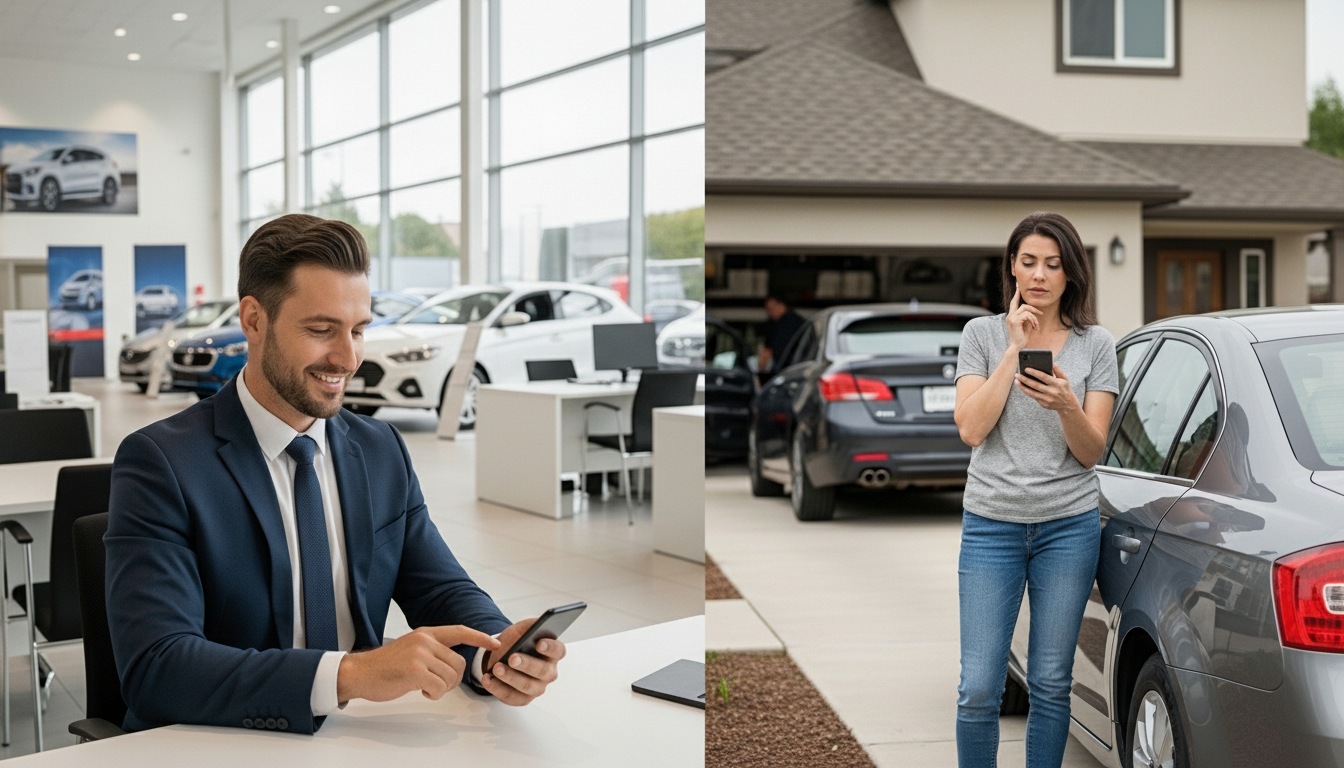
One of the fastest ways to lose momentum is delayed replies. While instant responses aren’t always possible, aim to respond within a reasonable window, ideally under an hour during business hours.
Quick follow-ups demonstrate reliability and keep buyers engaged. Many customers contact multiple dealerships at once. Consistent responsiveness can be the factor that sets your store apart and increases car sales.
When managing multiple prospects, it’s easy to forget details. Before replying, review previous messages to ensure you remember the customer’s needs, budget, or vehicle preference.
Referencing past details shows attentiveness:
“Last time you mentioned you needed something with AWD for winter, this SUV could be a great fit.”
This level of personalization builds trust and keeps deals moving forward.
Text messaging should not replace phone calls or in-person interactions entirely. Instead, it should complement them. Think of texting as a bridge, connecting online leads to showroom visits and guiding in-store buyers toward delivery.
To maximize results:
When executed strategically, text messaging becomes more than a convenience. It becomes a competitive advantage.
Increasing car sales today requires meeting customers where they are, and they’re on their phones.
By responding quickly, communicating clearly, and providing value through every message, dealerships can turn simple text conversations into appointments, approvals, and delivered vehicles.
In a fast-moving automotive market, the dealerships that master digital communication will consistently outperform those that don’t. Text messaging isn’t just a trend. It’s a practical, scalable way to drive more car sales, one conversation at a time.