 Activix
  AutoTrader
  Black Book
  CarGurus
  Equifax
  TransUnion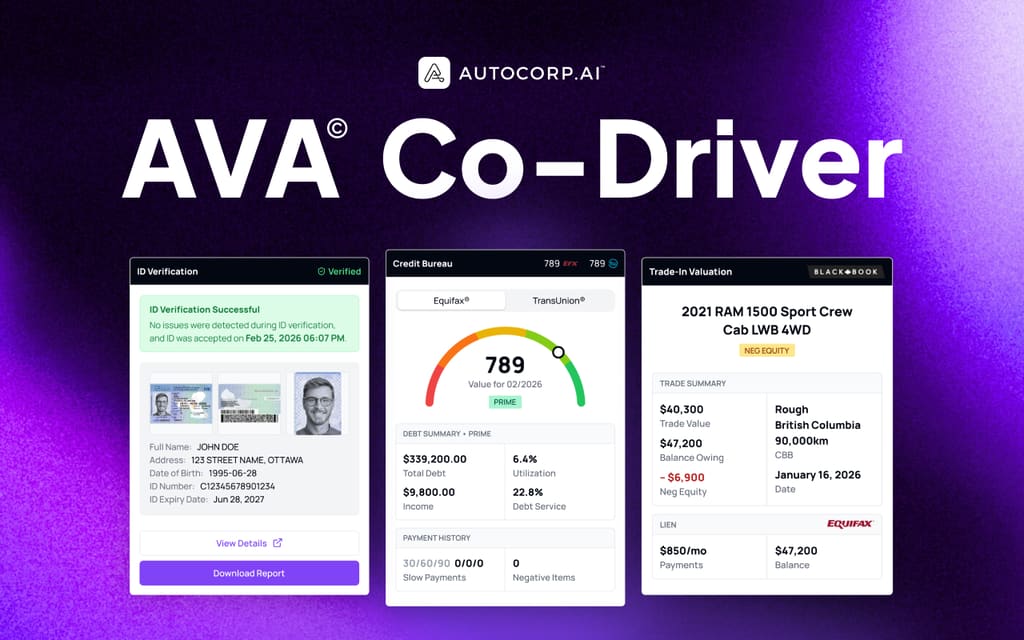


The modern dealership is a complex machine, part retail operation, part finance centre, part customer service hub. But as technology reshapes the industry, one truth has become clear: inefficiency is expensive. Between redundant tasks, manual data entry, missed leads, and outdated workflows, operational waste quietly eats into profitability.
That’s where digital tools come in. The right solutions don’t just automate tasks; they transform how your dealership operates, improving ROI, tightening processes, and freeing your team to focus on what actually drives sales.
In this blog, we’ll explore how digital tools help dealerships reduce waste across operations, improve dealership ROI, and build a leaner, smarter sales engine for 2026 and beyond.
Key Takeaways
- Digital tools cut operational waste in dealerships, lowering costs and speeding up deals.
- Automation improves ROI by reducing errors, shortening sales cycles, and lifting conversion rates.
- AVA™ Credit, AVA™ Trade, and AVA™ ID streamline credit, trade-ins, and compliance with cleaner data and faster approvals.
- Track ROI with time per deal, cost per transaction, conversion rate, fraud incidents, and repeat purchase rate.
1. Understanding Operational Waste in Dealerships
Operational waste isn’t always obvious. It hides in the gaps between departments, in time lost waiting for approvals, and in the countless clicks needed to complete a deal.
Common sources of waste include:
- Manual data entry across CRM, DMS, and finance systems
- Paper-based processes for trade-ins, credit applications, or ID verification
- Duplicate communications between sales, F&I, and service
- Unqualified leads that drain follow-up time
- Compliance errors that cause rework and delays
Each of these inefficiencies costs time and money. In fact, Cox Automotive estimates that 70% of dealers say their biggest barrier to profitability is inefficient or redundant processes.
The good news? With digital tools, every one of these issues can be addressed, often without major infrastructure changes.
2. The ROI of Going Digital
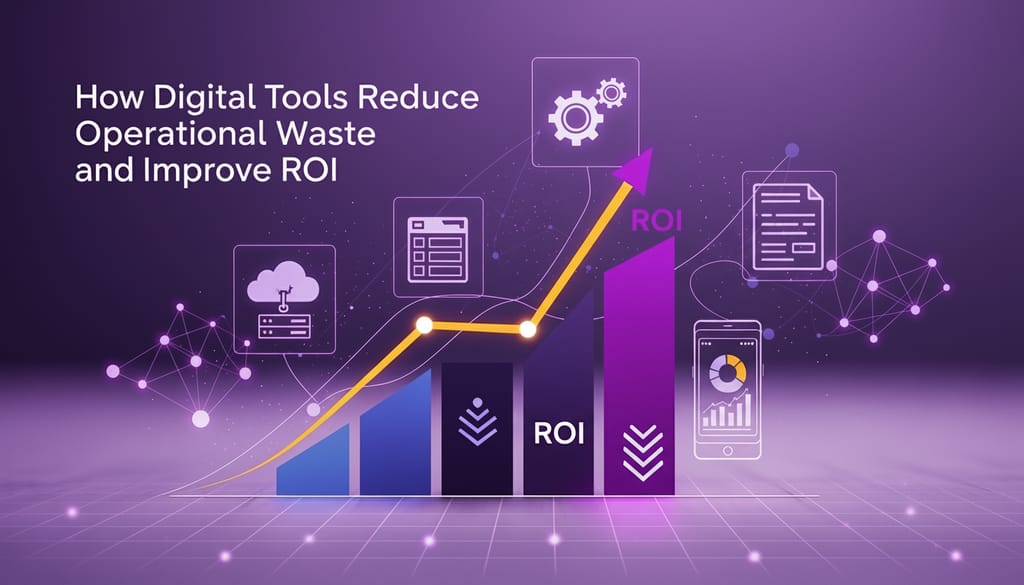
When we talk about improving dealership ROI, it’s not just about increasing sales, it’s about doing more with less. Digital transformation amplifies ROI by:
- Reducing operational costs through automation and error reduction
- Shortening sales cycles by connecting tools that streamline decision-making
- Improving lead quality with smarter, data-driven filtering
- Enhancing customer satisfaction, leading to higher retention and repeat sales
According to Deloitte’s 2025 Auto Retail Survey, dealerships that have implemented digital retailing and process automation tools have seen a 25–30% improvement in sales efficiency and a 20% reduction in administrative costs.
That’s the definition of operational ROI, less time wasted, more value created per transaction.
3. Key Areas Where Digital Tools Eliminate Waste
a. Lead Management and Credit Applications
Manual lead entry and disconnected credit processes are some of the biggest time sinks in automotive retail.
AVA™ Credit automates credit application and pre-qualification workflows, enabling customers to complete accurate, lender-ready applications online in minutes.
The result?
- Sales teams spend less time chasing incomplete forms
- Customers get faster approvals
- Lenders receive cleaner, verified data
This reduces abandoned leads, speeds up F&I turnover, and improves close rates, all key metrics in dealership ROI.
b. Trade-In Appraisal and Valuation
Trade-ins often slow deals down. Inaccurate appraisals or delayed valuations can frustrate customers and derail transactions.
Digital trade tools like AVA™ Trade streamline the process by pulling real-time vehicle data, market trends, and appraisal benchmarks.
By integrating these directly into your website or CRM, your team can deliver transparent, data-backed valuations instantly, reducing friction, building trust, and keeping deals moving.
c. Identity Verification and Compliance
Fraud prevention is another hidden form of ROI protection. Manual ID checks or inconsistent verification procedures not only expose dealerships to compliance risks but also add friction to the buying process.
AVA™ ID automates identity verification using AI, OCR, and facial recognition, verifying a customer’s ID in seconds. It’s now free to use, with only $2.95 per completed verification, making it an easy win for compliance and cost control.
Beyond fraud prevention, instant verification reduces wasted time in deal finalization, shortens F&I steps, and keeps customers engaged instead of waiting.
d. Customer Communication and Follow-Up
Missed calls, delayed responses, and inconsistent messaging all eat into dealership ROI. Digital communication tools powered by automation ensure that leads are followed up instantly and consistently.
Whether through automated email campaigns, chatbots, or AI-driven marketing, dealerships can maintain a personal touch without adding manual workload. Tools like Autocorp.ai’s Free AI Automotive Email Campaign Generator help dealerships craft targeted, conversion-ready campaigns in minutes, ensuring no lead goes cold.
4. How Automation Boosts ROI Beyond the Sale
Digital transformation isn’t just about selling cars faster, it’s about creating long-term efficiency that compounds over time.
Here’s how automation continues to deliver ROI long after the initial sale:
- Streamlined compliance: Automated documentation minimizes costly human errors.
- Data accuracy: Integrated systems reduce mismatched or missing customer data.
- Customer retention: AI-powered follow-ups keep your dealership top-of-mind post-sale.
- Scalability: As your lead volume grows, automation scales effortlessly, without requiring more staff.
AVA® tells you who's ready to buy before your team lifts a finger. See the workflow.
Book a demo →For example, a dealership using AVA™ tools for credit and trade-in workflows can handle 20–30% more transactions per month without increasing staff hours, a direct boost to dealership ROI.
5. Reducing Waste = Improving Employee Productivity
Operational waste doesn’t just impact profits, it burns out your people. Every repetitive manual task takes time away from meaningful customer interactions.
Digital tools help shift that balance by:
- Eliminating redundant data entry
- Reducing time spent verifying or chasing missing documents
- Allowing staff to focus on relationships, not paperwork
This leads to higher job satisfaction, lower turnover, and a better overall customer experience, all key contributors to long-term ROI.
When employees feel empowered by technology instead of bogged down by inefficiency, productivity rises naturally.
6. Measuring the ROI of Digital Tools
To see the true impact of digital transformation, dealers should track metrics that directly connect process improvements to financial outcomes.
Key ROI indicators include:
- Reduced time per deal (from first contact to delivery)
- Lower operational costs per transaction
- Increased lead-to-sale conversion rates
- Reduced compliance errors or fraud incidents
- Customer satisfaction and repeat purchase rate
Most modern digital tools, including AVA™’s suite, offer built-in analytics dashboards that make tracking these KPIs straightforward, providing clear visibility into what’s working and where efficiency gains can grow.
7. Future-Proofing Your Dealership with AI-Driven Tools
As AI and automation become central to dealership operations, the next generation of digital tools will focus on predictive efficiency, using data to identify waste before it happens.
From AI chatbots that qualify leads in real-time to systems that predict the best pricing or financing options, the future dealership won’t just react to inefficiencies, it’ll prevent them.
Autocorp.ai’s AVA™ ecosystem is designed with this future in mind. Each tool, from Credit to Trade to ID is built to connect seamlessly, automate intelligently, and provide actionable data insights that keep dealerships competitive.
Frequently Asked Questions About Digital Tools for Dealership ROI
What are the most common sources of operational waste in dealerships?
Manual data entry, paper-heavy workflows, duplicate communication across teams, unqualified leads, and compliance errors drive waste. These slow deals, cause rework, and increase costs across sales and F&I.
How do digital tools improve dealership ROI?
They automate repetitive work, reduce human error, connect systems, and speed decision-making. Dealers see shorter sales cycles, cleaner data, higher lead quality, and better customer satisfaction, which lifts conversion and retention.
Which dealership processes benefit the most from automation?
Lead management and credit applications, trade-in appraisal and valuation, identity verification and compliance, and customer follow-up. AVA Credit, AVA Trade, and AVA ID help standardize these steps and reduce friction.
Is there a low-cost way to start with digital verification?
Yes. AVA ID verifies customer IDs in seconds and is free to use, with only $2.95 per completed verification. It reduces fraud risk and shortens F&I steps without adding overhead.
How should a dealership measure the ROI of digital tools?
Track reduced time per deal, lower operational cost per transaction, higher lead-to-sale conversion rates, fewer compliance errors or fraud incidents, and higher satisfaction or repeat purchases. Use built-in dashboards from your tools to monitor trends.
Final Thoughts
Reducing operational waste isn’t just about cutting costs, it’s about building a smarter, more agile dealership. Digital tools empower your team to focus on what matters: the customer experience, conversion efficiency, and sustainable growth.
As margins tighten and customer expectations rise, dealerships that embrace automation and data-driven workflows will continue to lead the market in ROI and resilience.
Start small, measure often, and let your digital tools do the heavy lifting. Because in today’s auto retail world, efficiency isn’t just an advantage, it’s a strategy.