 Activix
  AutoTrader
  Black Book
  CarGurus
  Equifax
  TransUnion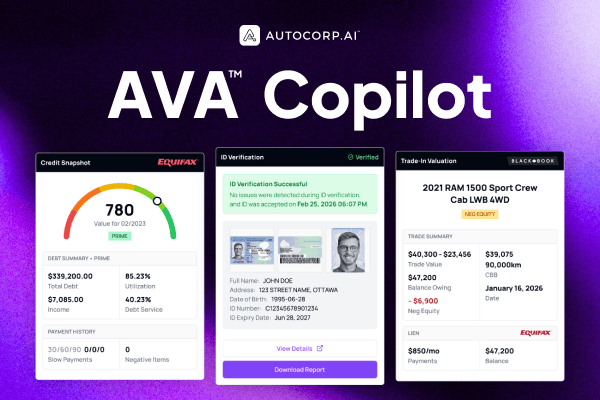

Digital marketing is no longer optional for car dealerships. In 2026, it is one of the biggest drivers of showroom traffic, lead quality, and long-term growth. Buyers are researching online longer, comparing more options, and expecting faster, more personalized experiences.
Yet many dealerships are still making the same marketing mistakes that quietly cost them leads every single day.
Below are the seven most common dealership marketing mistakes we see in 2026, and how to avoid them.
Key Takeaways
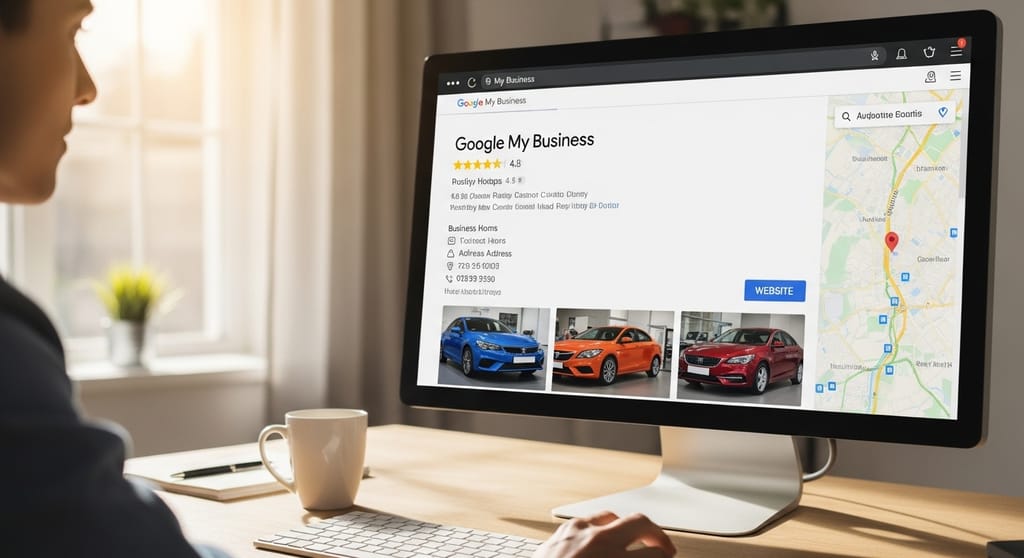
- Dealerships lose leads in 2026 when online info (hours, phone, address, inventory) is outdated or inconsistent across the website and Google Business Profile.
- Marketing needs time and data, most campaigns should run at least 30 days before you judge results or shut them off.
- Responding to leads within 5 minutes increases contact and close rates, delays over 30 to 60 minutes cause major drop-offs.
- Reviews and social activity act like a digital showroom, daily review replies and consistent posting build trust before the first call.
- Mobile site speed, conversion tracking, and full CRM use (segmentation and follow-up) are core to higher quality leads.
Mistake #1: Outdated or Inconsistent Online Information
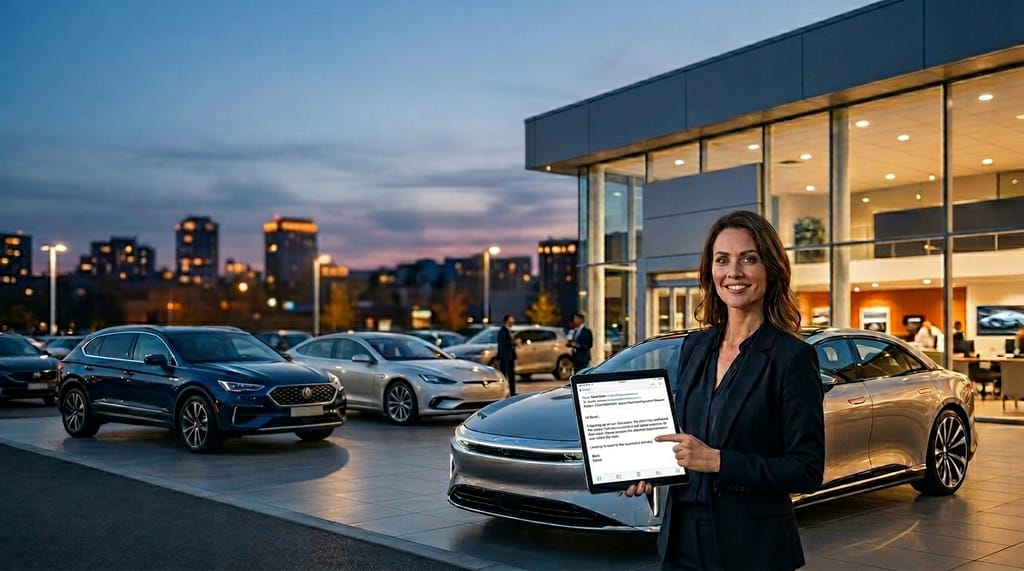
Your dealership’s basic information is often the first impression a buyer gets.
If your hours, phone number, address, or inventory are outdated, trust disappears instantly.
Common issues include:
- Google listing hours that do not match reality
- Sold vehicles still showing online weeks later
- New inventory taking days to appear on the website
In 2026, shoppers expect real-time accuracy. If your information is not current, they will move on to a competitor without thinking twice.
Fix it:
Assign ownership. One person or team should be responsible for keeping your website, Google Business Profile, and social platforms accurate at all times.
Mistake #2: Expecting Instant Results From Marketing
Marketing is not a light switch, it is a system.
Too many dealerships launch a campaign, check results after a week, then pull the plug before it has time to work. Algorithms need data, audiences need repetition, and buyers need multiple touch points.
In most cases, cutting a campaign early means wasting the money you already spent.
Fix it:
Give campaigns at least 30 days before judging performance. Use that time to analyze data, adjust creative, and refine targeting instead of starting over.
Mistake #3: Slow Lead Response Times
Speed still wins in 2026.
Dealerships that respond to leads within the first five minutes are dramatically more likely to connect and convert. After 30 minutes, the odds drop fast. After an hour, many leads are already talking to someone else.
This mistake usually happens because:
- Leads are not monitored after hours
- No automation is in place
- Staff are unsure who owns incoming leads
Fix it:
Use automation for after-hours responses, chat tools for basic questions, and clear internal rules for lead ownership. Fast response equals higher close rates.
Mistake #4: Ignoring Online Reputation Management
Your online reputation is your digital showroom.
Before contacting a dealership, buyers check Google reviews, social comments, and recent posts. A silent or neglected online presence signals risk, even if the dealership is excellent in person.
Ignoring reviews, not responding to comments, or posting inconsistently all hurt trust.
Fix it:
Be active daily. Respond to reviews, thank customers publicly, and keep your social presence alive. Even simple engagement builds credibility over time.
Mistake #5: Not Tracking the Right Marketing Data
Marketing without tracking is guessing.
Many dealerships run ads, post content, and launch campaigns without clearly knowing what is driving leads, calls, or appointments. Without data, improvement is impossible.
Common problems include:
See how 650+ dealerships use AVA® to surface credit-qualified buyers before they sit down at the desk.
- Tracking likes instead of conversions
- Not knowing which channels bring quality leads
- No connection between marketing and sales outcomes
Fix it:
Define clear goals for each campaign, awareness, leads, appointments, or sales. Track performance consistently and use those insights to guide future decisions.

Mistake #6: A Poor Mobile Experience
In 2026, most dealership website traffic comes from mobile devices.
If your site is slow, cluttered, or difficult to use on a phone, you are losing customers before they ever see your inventory.
Mobile issues often include:
- Slow load times
- Hard-to-close popups
- Forms that are painful to complete
- Confusing navigation
Fix it:
Design for mobile first. Test your site regularly on real phones, not just desktops. A smooth mobile experience keeps shoppers engaged longer and increases lead submissions.
Mistake #7: Underusing the CRM
A CRM is more than a contact list.
Many dealerships only use their CRM to store leads, missing its full potential as a marketing and growth engine. When properly used, a CRM can help with segmentation, follow-up automation, and smarter targeting.
Common missed opportunities include:
- No email or SMS campaigns
- No audience segmentation
- No insight into buyer behaviour
Fix it:
Use your CRM to run targeted campaigns, understand your audience, and improve follow-up timing. The more data you use, the more effective your marketing becomes.
Frequently Asked Questions About Dealership Marketing Mistakes
What are the most common dealership marketing mistakes in 2026?
The biggest issues are outdated online information, expecting instant marketing results, slow lead response times, ignoring reviews, tracking the wrong data, a weak mobile experience, and underusing the CRM. These problems usually look small day to day, but they add up and push shoppers to other dealers.
How fast should a dealership respond to internet leads?
Aim for under 5 minutes. Response rates and conversions drop sharply after 30 minutes, and after an hour many shoppers have already contacted another dealership. Use after-hours automation and clear lead ownership rules to keep speed consistent.
How do I keep my dealership’s online info accurate everywhere?
Assign one person or team to own accuracy across the website, Google Business Profile, and social platforms. Check hours, phone number, address, and inventory often, and make sure sold vehicles come down quickly and new inventory goes up fast.
What marketing metrics should dealerships track (besides likes)?
Track outcomes tied to sales, including calls, form leads, appointments set, show rate, and sold units when possible. Also track by channel so you know which sources drive quality leads, not just volume.
What makes a dealership website “mobile-friendly” in 2026?
A mobile-friendly site loads fast, is easy to navigate with a thumb, has forms that are simple to complete, and avoids popups that block key actions. Test on real phones often, not only on desktop.
Final Thoughts
The biggest dealership marketing mistakes in 2026 are rarely dramatic. They are small gaps that compound over time.
Outdated information, slow response times, poor mobile experiences, and lack of tracking all quietly push buyers toward competitors.
The good news is that every mistake on this list is fixable. With the right systems, tools, and mindset, your dealership can turn digital marketing into a predictable source of high-quality leads.
Marketing works best when it is consistent, data-driven, and built around how modern car buyers actually shop.