 Activix
  AutoTrader
  Black Book
  CarGurus
  Equifax
  TransUnion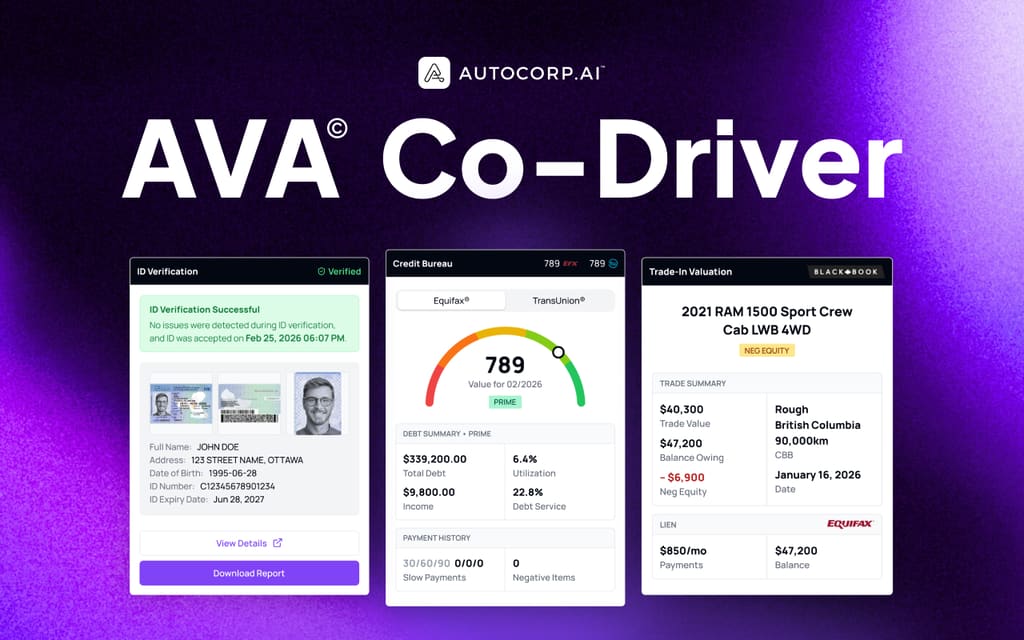




Employee turnover at a dealership is more than a staffing issue. It is a profitability issue.
Automotive retail has long struggled with retention, especially in sales roles. Industry data shows that many sales associates stay at a dealership for only a couple of years. When employees leave, dealerships do not just lose a team member. They lose experience, customer relationships, and momentum.
Reducing employee turnover at a dealership requires more than better hiring. It requires stronger systems, smarter processes, and a culture that supports long-term growth.
Key Takeaways
- Dealership employee turnover hurts profit because it breaks customer relationships, slows follow-up, and increases hiring and training costs.
- Centralizing customer data in a dealership CRM protects relationships when staff leave and helps new hires pick up deals fast.
- Automation reduces burnout by cutting repetitive admin work (lead routing, reminders, confirmations, and basic reporting).
- A collaborative culture reduces turnover by lowering friction between sales, finance, marketing, and managers.
- Long-term retention comes from systems plus culture, not perks alone, which makes revenue more predictable.
Here are three practical ways to improve dealership employee retention and protect your bottom line.
Why Dealership Employee Turnover Is So Costly
Before solving the problem, it is important to understand the impact.
When a salesperson leaves, several things happen at once:
- Customer relationships are disrupted
- Follow-ups fall through the cracks
- Leads may go untouched
- Morale can decline
There are also direct financial costs. Recruiting, onboarding, and training new employees require time and money. Lost deals during transitions compound the issue. Industry estimates suggest the average dealership can lose hundreds of thousands of dollars annually due to turnover.
High turnover also damages customer experience. Buyers prefer consistency. If they return and their previous contact is gone, trust must be rebuilt from scratch.
Reducing employee turnover at a dealership helps protect revenue, stabilize performance, and strengthen long-term customer loyalty.

1. Centralize Customer Data to Protect Relationships
One of the most overlooked retention strategies is operational, not cultural.
If customer data lives in personal phones, notebooks, or disconnected tools, your dealership is vulnerable. When an employee leaves, they may take critical relationship knowledge with them. In some cases, customers follow that salesperson to their next store.
A properly managed dealership CRM system solves this problem.
Why Centralized Data Matters
When all customer interactions are logged in a centralized platform:
- The dealership retains ownership of relationships
- Managers have visibility into pipeline activity
- New team members can step in without starting over
This continuity reduces stress for remaining staff and ensures customers receive a seamless experience.
It Also Improves Accountability
Centralized systems make it easier to track follow-ups, appointments, and communication history. Clear processes reduce confusion and prevent internal friction, which can contribute to employee dissatisfaction.
When employees feel supported by strong systems instead of scrambling to manage information, job satisfaction increases.
2. Use Technology to Eliminate Friction and Burnout
Repetitive administrative work is one of the fastest ways to drain motivation.
AVA® tells you who's ready to buy before your team lifts a finger. See the workflow.
Book a demo →Modern dealership employees expect tools that make their jobs easier, not harder. If your team spends hours on manual data entry, chasing paperwork, or duplicating tasks across systems, frustration builds quickly.
Reducing employee turnover at a dealership often starts with improving workflow efficiency.
Automate What Does Not Require Human Skill
Technology can streamline:
- Lead distribution
- Follow-up reminders
- Appointment confirmations
- Basic reporting
- Credit pre-qualification workflows
When routine tasks are automated, sales staff can focus on relationship building and closing deals. That is where they create value and earn income.
Engagement Improves Retention
Engaged employees are more likely to stay. Giving your team tools that increase productivity and reduce friction shows that leadership values their time.
This does not mean removing accountability. It means removing unnecessary obstacles that prevent employees from performing at their best.
3. Build a Collaborative, Not Siloed, Dealership Culture
Many dealerships struggle with internal silos. Sales, marketing, finance, and management operate independently rather than as one coordinated team.
This separation creates confusion, miscommunication, and blame shifting. Over time, it drives frustration and turnover.
Encourage Cross-Team Communication
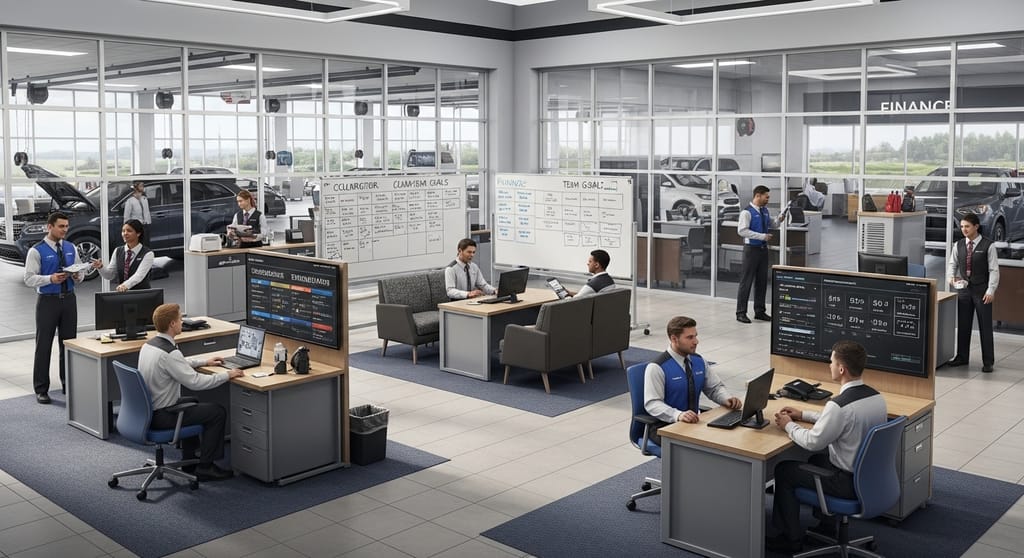
Regular meetings that align sales and finance help reduce deal surprises and last-minute issues. When departments share information openly, employees feel supported rather than isolated.
Simple initiatives can also improve morale:
- Shared communication channels
- Team recognition programs
- Quarterly team events
- Transparent performance discussions
Culture is built intentionally. When employees feel connected to a shared goal, retention improves.
Leadership Sets the Tone
Dealership leadership must reinforce collaboration. Clear expectations, consistent communication, and visible support for team development all contribute to a stronger workplace environment.
Employees are more likely to stay where they feel valued, heard, and aligned with a larger mission.
Long-Term Retention Requires Systems and Strategy
Reducing employee turnover at a dealership is not about a single incentive or perk. It requires a combination of:
- Strong systems that protect customer relationships
- Technology that reduces burnout
- A culture built on teamwork and accountability
Dealerships that invest in operational structure and employee engagement position themselves for stronger performance and lower hiring costs over time.
Retention is not just an HR metric. It is a strategic advantage. When your team stays, your processes improve, your customer relationships deepen, and your profitability becomes more predictable.