
Email marketing has been around for decades, but in 2026 it looks very different than it did even a few years ago. For car dealerships, email remains one of the most cost-effective ways to nurture leads, re-engage past buyers, and stay top of mind throughout the customer journey, when it’s done right.
With inboxes more crowded and buyers expecting relevance, dealerships can no longer rely on generic blasts and outdated tactics. Success now depends on smarter targeting, better timing, and tighter alignment with your dealership’s data.
Here are 10 modern steps to help your dealership achieve real results with email marketing in 2026.
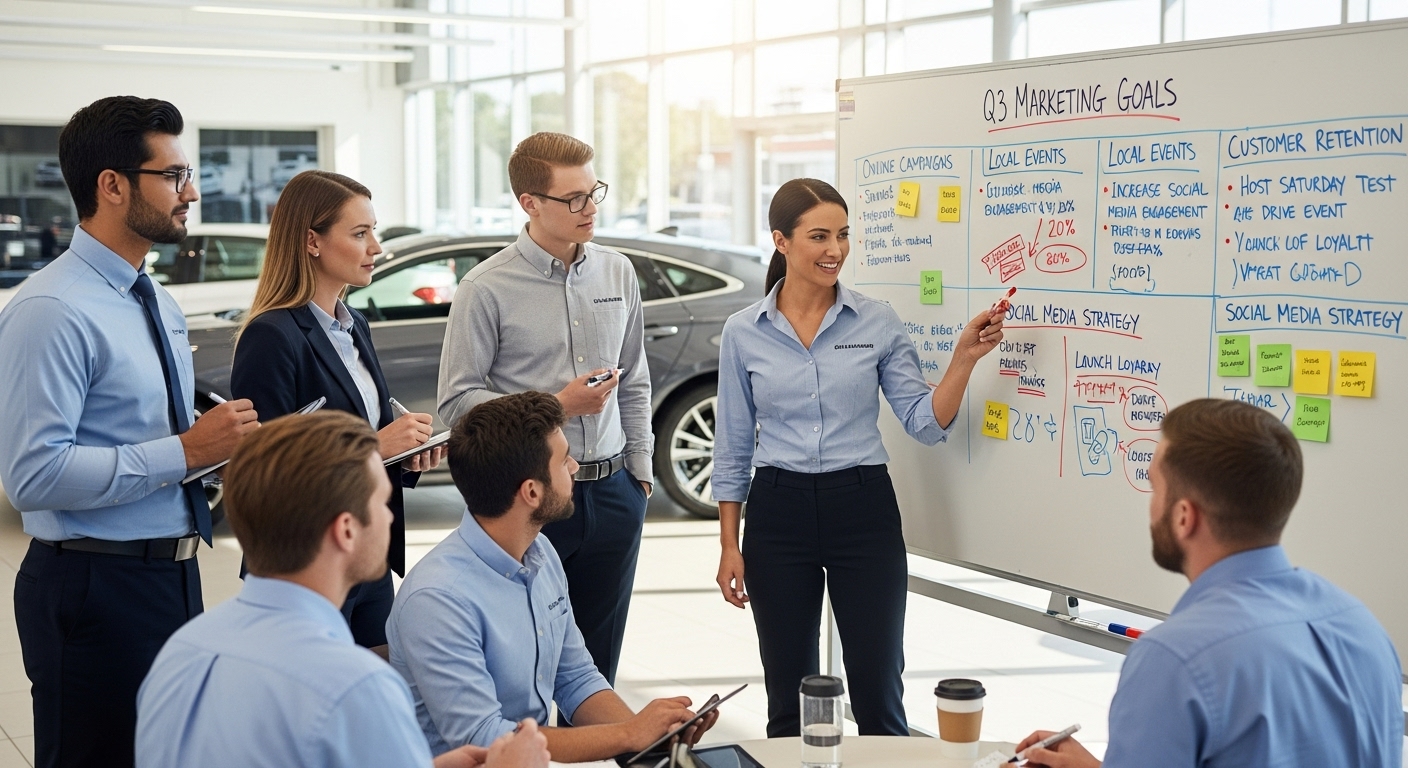
Every successful email strategy starts with clarity. Before sending anything, define what you want email marketing to achieve for your dealership.
Common dealership email goals include:
When each campaign has a single goal, it becomes easier to measure performance and improve results over time.
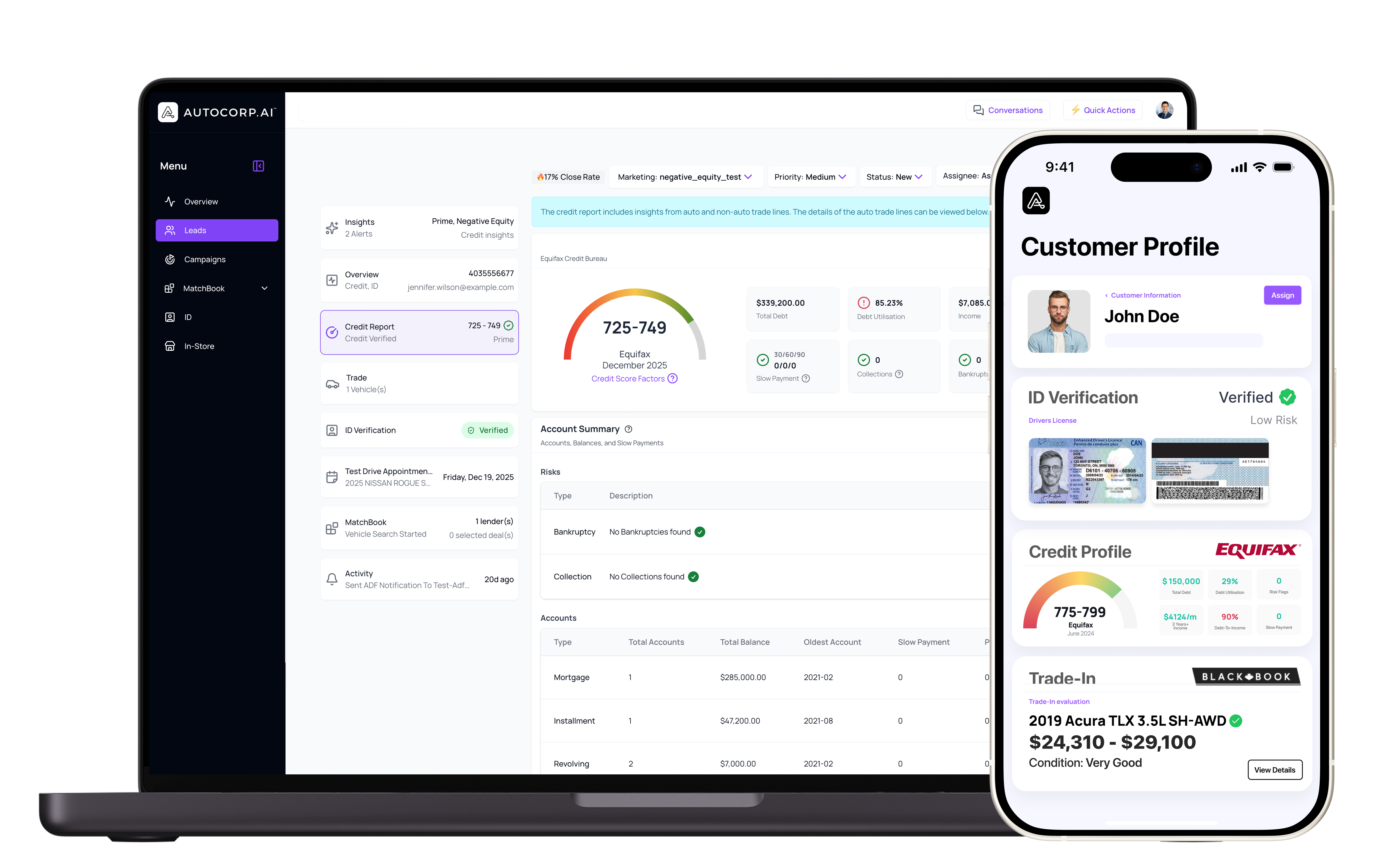
In 2026, email marketing platforms should not operate in isolation. Your email tool needs to integrate with your CRM and dealership marketing stack so data flows automatically.
Look for platforms that support:
The tighter the integration, the more personalized and timely your emails can be.
List quality matters more than list size. Sending emails to outdated or unengaged contacts hurts deliverability and performance.
Dealerships should:
Clean lists ensure your messages reach customers who actually want to hear from you.
Generic emails no longer convert. Segmentation allows dealerships to send relevant messages based on how customers actually interact with your dealership.
Effective dealership email segments include:
The more relevant the message, the higher the open and click rates.
Email marketing works best when it provides value, not constant sales pressure. In 2026, buyers expect helpful, informative communication.
Value-driven email content can include:
Promotions still matter, but they perform better when balanced with useful content.
Most dealership emails are opened on mobile devices. If your emails are hard to read or cluttered, they will be ignored.
Best practices include:
Clean design helps guide readers toward the action you want them to take.
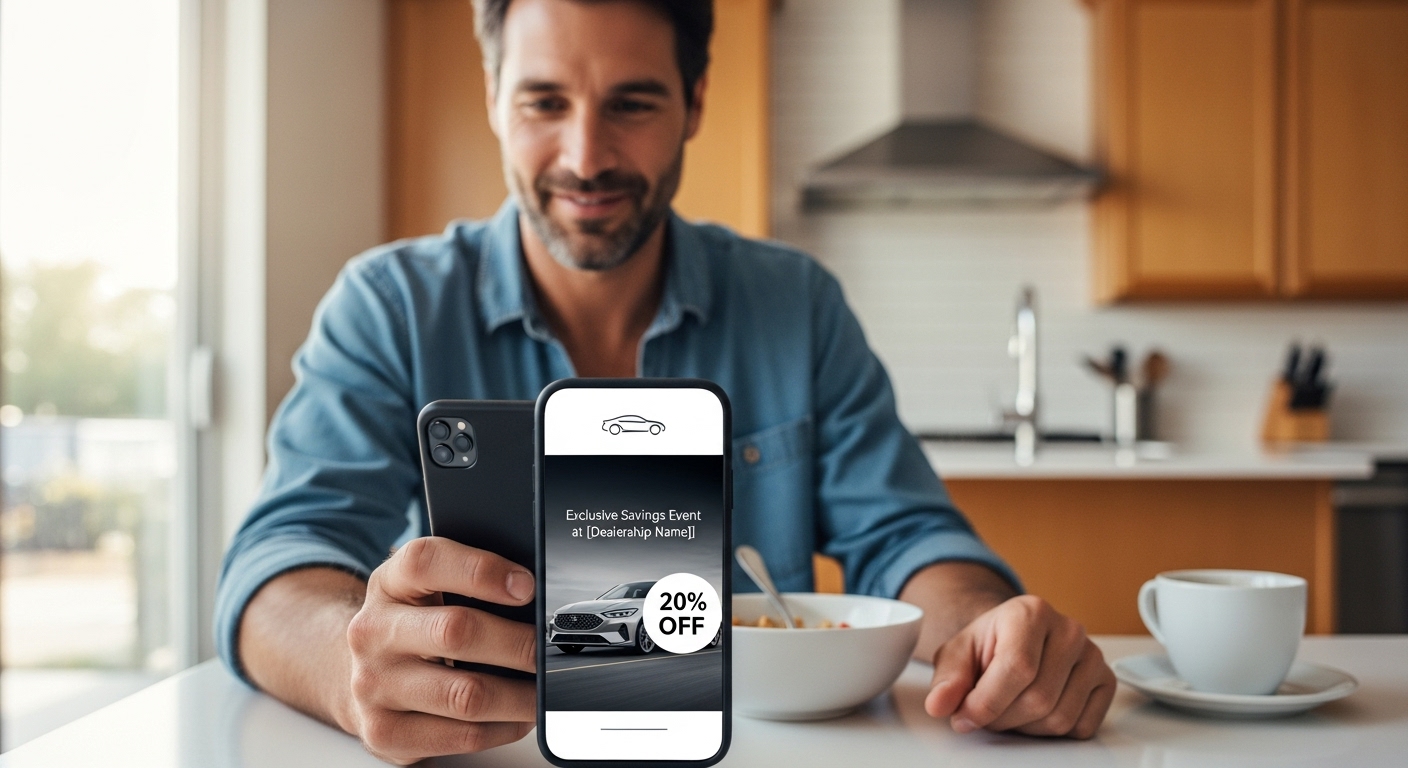
Basic personalization is no longer enough. Modern dealership email marketing uses data to tailor content to the buyer’s context.
Examples include:
Personalized emails feel more relevant and drive higher engagement.
Your subject line determines whether your email gets opened or ignored. In 2026, subject lines should feel natural, helpful, and clear.
Strong subject line tips:
Testing different styles helps uncover what resonates most with your audience.
Automation helps dealerships stay consistent without overwhelming staff. Automated emails can support follow-up while keeping communication timely.
Common dealership automation examples:
Automation works best when it complements human follow-up, not replaces it.
Email marketing success is built on iteration. Dealerships should regularly review performance metrics and adjust accordingly.
Key metrics to track:
The more you test and refine, the stronger your dealership marketing results will be.
The strongest goals are tied to one clear action, like re-engaging unsold leads, booking service appointments, promoting incentives, nurturing long-term buyers, or supporting sales and finance follow-up. Keeping each campaign focused makes it easier to track results and improve.
Focus on list quality, not list size. Remove bounced and inactive contacts, respect opt-in and consent rules, review where contacts came from, and segment by engagement level. Clean lists improve deliverability and protect your sender reputation.
Use a simple layout, clear headline, scannable copy, fast-loading images, and one primary call to action. Most dealership emails are opened on phones, so readability and tap-friendly design matter.
Track open rates, click-through rates, conversions (like booked appointments or lead actions), unsubscribes, and engagement by segment. Use these results to test and refine subject lines, content, and automation timing.
Email marketing remains a powerful channel for car dealerships in 2026, but only when it evolves with buyer expectations. By focusing on relevance, data, and thoughtful automation, dealerships can turn email into a consistent driver of engagement and revenue.
The dealerships that win aren’t sending more emails, they’re sending smarter ones.