 Activix
  AutoTrader
  Black Book
  CarGurus
  Equifax
  TransUnion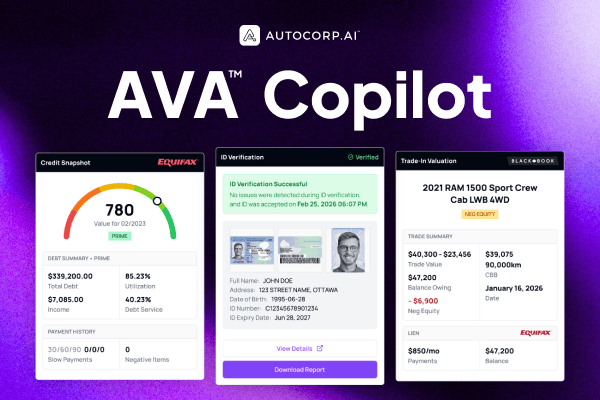



Running a modern dealership takes more than just selling cars. It’s about creating seamless digital experiences, earning customer trust, and using data to make smarter decisions. Yet, even the most successful dealerships fall into habits that limit growth and hurt profitability.
From missed digital opportunities to outdated follow-up systems, these mistakes often fly under the radar until they start affecting your bottom line. The good news? They’re fixable and often faster than you think.
Here are 10 of the most common dealership mistakes and how to turn each one into a competitive advantage.
1. Ignoring the Power of SEO
Too many dealerships rely solely on paid ads or third-party listings to drive traffic. The reality is that 70% of car buyers start their journey with an online search, not a lead form. If your dealership isn’t showing up on Google’s first page for local car-buying terms, you’re invisible to most shoppers.
How to fix it:
- Optimize your website with local keywords like “used SUVs in [your city]” and “best car dealership near me.”
- Create blog content that answers common buyer questions (e.g., financing, trade-in value, EV incentives).
- Regularly update your Google Business Profile and ensure your NAP (Name, Address, Phone) is consistent across all platforms.
Dealerships investing in SEO see more organic traffic, lower ad spend, and better-quality leads.
2. Treating Trade-Ins as an Afterthought
Trade-ins aren’t just an add-on, they’re one of the biggest sources of profit opportunity. Many dealerships undervalue this part of the sales process, leading to lost deals and dissatisfied customers.
How to fix it:
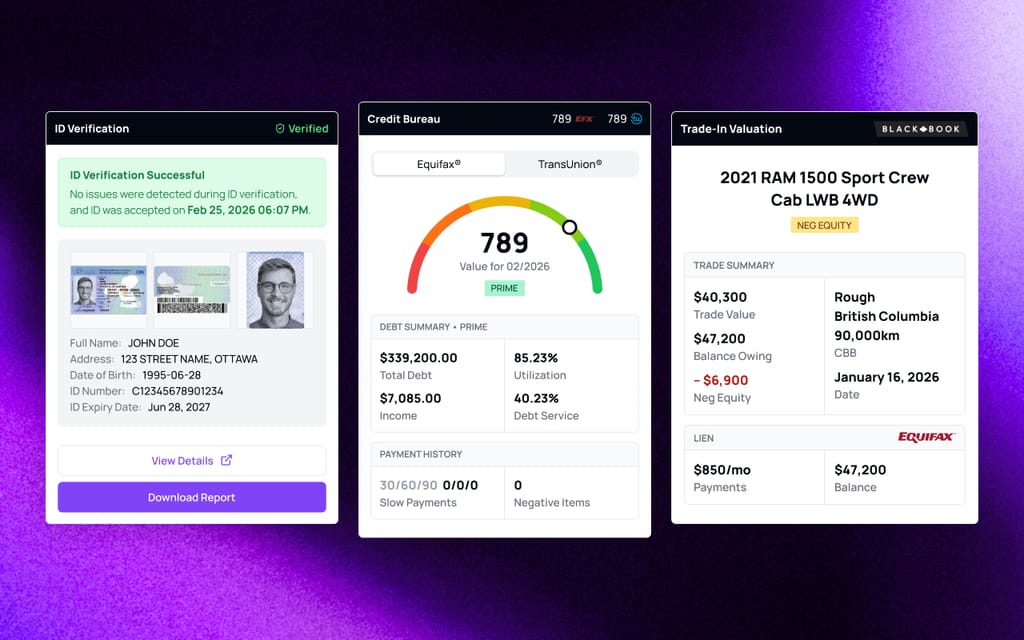
Train your team to present trade-in offers with transparency and confidence. Use real-time data tools like AVA™ Trade to quickly evaluate vehicles based on market value and condition. When customers see accuracy and fairness, they’re far more likely to complete the deal.
3. Failing to Nurture Leads Properly
Not every lead is ready to buy today. But dealerships often give up too soon, focusing on immediate conversions instead of long-term relationships.
How to fix it:
Use lead management systems and AI tools to categorize and track buyers based on intent. AVA™ Lead Insights, for example, can transform credit and trade data into actionable intelligence, helping your team identify which prospects are ready to close and which need more nurturing.
Consistency and follow-up timing matter, don’t let potential deals go cold.
4. Ignoring the Post-Sale Relationship
Once a car is sold, many dealerships move on to the next lead. This “transactional” approach leaves money on the table. Post-sale engagement is what builds loyalty, referrals, and long-term profit.
How to fix it:
Create a structured follow-up process. Send service reminders, satisfaction surveys, and anniversary emails. Small touches can make customers feel valued and turn one-time buyers into lifelong advocates.
5. Underestimating the Impact of Online Reviews
Reputation is everything. Studies show that 84% of car buyers trust online reviews as much as personal recommendations. If your dealership has a handful of outdated reviews, or worse, a few negative ones, you’re likely losing business before customers even visit your site.
How to fix it:
Encourage every happy customer to leave a Google or DealerRater review right after their purchase. Respond professionally to all feedback, positive or negative. Show that your dealership values transparency and accountability.
6. Skipping Staff Training and Development
Even the best technology won’t make up for a poorly trained team. Salespeople who don’t fully understand your tools, process, or brand promise can’t deliver a consistent customer experience.
How to fix it:
Make training a regular part of your culture. Whether it’s a monthly workshop on new finance tools, soft skills, or AI-driven credit systems like AVA™ Credit, ongoing learning keeps your team sharp and motivated.
When staff feel confident, customers feel it too.
See how 650+ dealerships use AVA® to surface credit-qualified buyers before they sit down at the desk.
7. Using Outdated Financing Processes
Paper applications, manual verifications, and long approval times frustrate customers and kill momentum. In today’s digital-first environment, buyers expect instant answers and online approvals.
How to fix it:
Adopt a modern pre-qualification solution like AVA™ Credit, which lets customers complete a secure, instant credit application online without impacting their score. It simplifies the experience for buyers while giving your team verified data before they even step into the showroom.
Faster approvals mean faster deals.
8. Neglecting Website User Experience (UX)
Your website is your digital showroom. If it’s slow, outdated, or cluttered, you’re losing traffic before it converts. A poor user experience can drive up bounce rates and tank your SEO.
How to fix it:
- Keep the site simple and mobile-optimized.
- Use clear calls to action like “Get Pre-Approved” or “Value Your Trade.”
- Display inventory with high-quality photos, detailed specs, and transparent pricing.
Think of your website as a salesperson, it should inform, engage, and guide buyers naturally through the funnel.
9. Overlooking Data Security and Compliance
With more digital transactions, fraud and data breaches are rising in automotive retail. Dealers handling sensitive customer data must prioritize security to protect both their reputation and compliance standing.
How to fix it:
Use verification tools like AVA™ ID to authenticate customer identities instantly and reduce fraud risk. Review your compliance policies regularly and train your staff on data-handling best practices. Protecting your customers’ information builds trust and prevents costly issues down the road.
10. Failing to Embrace AI and Automation
The future of auto retail is digital and automated. Yet many dealerships still rely heavily on manual workflows that slow down operations. From lead scoring to credit checks, automation can transform your efficiency and accuracy.
How to fix it:
Implement AI-driven tools to streamline routine processes. Automation frees your sales team to focus on what matters most, customer relationships. With platforms like AVA™, you can connect credit, trade, and ID verification into one ecosystem, reducing friction and improving customer experience at every step.
AI isn’t replacing your team. It’s empowering them to perform better.
Putting It All Together
Each of these mistakes may seem small on its own, but together, they can dramatically impact your dealership’s success. The most profitable, future-ready dealerships aren’t just selling cars, they’re selling convenience, trust, and transparency.
By investing in better tools, smarter processes, and continuous learning, you can future-proof your operations and stand out in an increasingly competitive market.
Key Takeaways:
- SEO and digital visibility are non-negotiable in 2025.
- Trade-ins, reviews, and post-sale engagement are untapped revenue drivers.
- AI tools like AVA™ simplify complex processes and create seamless customer experiences.
- Continuous staff training builds confidence and consistency across every interaction.
- Security and compliance should be a core focus, not an afterthought.
Final Thought
Dealerships that evolve with technology and data-driven insight will lead the next decade of automotive retail. Avoiding these common mistakes is the first step—turning them into opportunities is the next.
Want to see how AVA™ can help you streamline your dealership experience from credit to compliance?
Book a demo today and see why top-performing dealers trust AVA™.