
If your dealership takes trade-ins, appraises used vehicles, or structures financing deals, understanding Canadian Black Book values is more important than ever.
In today’s market, used vehicle pricing changes quickly. Inventory shortages, fluctuating interest rates, evolving consumer demand, and changing wholesale conditions all impact what a vehicle is actually worth. For dealerships, relying on outdated estimates or inconsistent pricing can create serious problems during the sales process.
That’s why Canadian Black Book continues to play such an important role in automotive retail across Canada.
For dealerships, accurate vehicle valuation is no longer just about appraisals. It directly impacts profitability, customer trust, financing approvals, and deal structure.
Canadian Black Book, often referred to as CBB, is one of Canada’s most trusted vehicle valuation providers. It supplies market-based pricing data used by dealerships, lenders, auctions, insurers, and automotive professionals across the country.
Canadian Black Book values help determine:
Because these values are constantly updated based on real market activity, they provide dealerships with a more reliable understanding of current vehicle pricing conditions.

For many dealerships, Canadian Black Book is the foundation for used vehicle pricing decisions.
The used vehicle market has become significantly more volatile over the past several years.
Vehicle values can shift rapidly depending on:
A trade-in value that worked three months ago may no longer make sense today.
This creates challenges for dealerships trying to:
Customers today are also far more informed. Many buyers research their vehicle’s value before ever visiting a dealership. If your numbers feel inconsistent or unsupported, it can create friction immediately.
Using accurate Canadian Black Book data helps dealerships present valuations with greater confidence and transparency.
Trade-ins remain one of the strongest indicators of purchase intent.
When a customer submits their current vehicle information, they’re usually much further down the buying journey than a standard website lead. They’re already thinking about monthly payments, equity position, and upgrading into their next vehicle.
That’s why dealerships are increasingly moving trade valuation earlier in the sales process.
Instead of waiting until the customer arrives in-store, many dealerships now collect trade details directly from their website. This gives sales teams better insight before the first conversation even happens.
The earlier your team understands a customer’s trade position, the easier it becomes to:
This is where AVA™ Trade fits into the process.
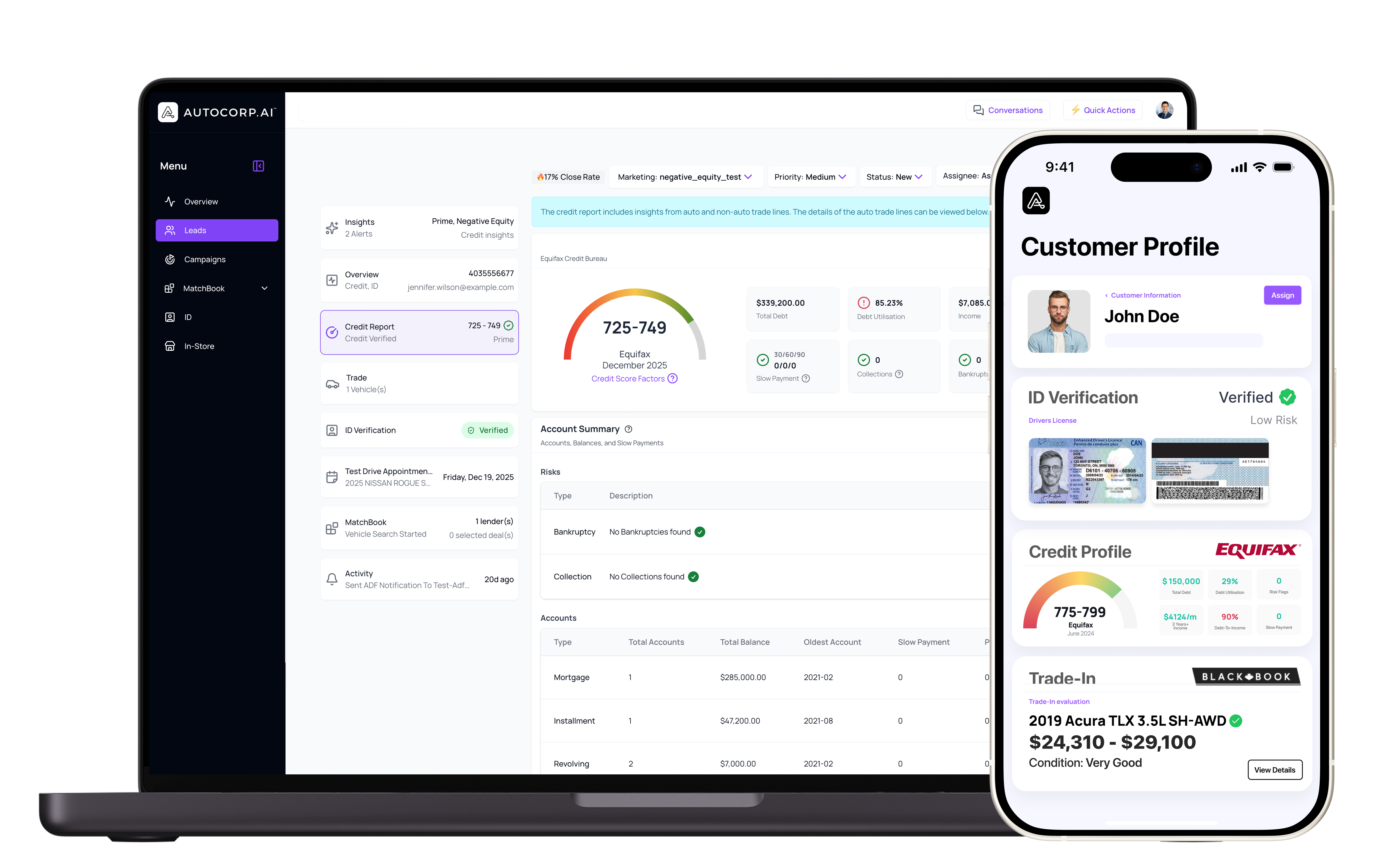
AVA™ Trade helps dealerships collect customer trade-in information online while leveraging Canadian Black Book valuation data to provide more accurate estimates.
When a customer submits their vehicle:
This gives sales and desking teams a much clearer picture of the customer before the first appointment.
Instead of relying on rough estimates or incomplete information, dealerships can start conversations with real market-backed data.
One of the biggest reasons deals fall apart is unexpected negative equity.
A customer may believe their trade is worth far more than it actually is. If that gap isn’t identified early, the entire deal can become difficult once financing is structured.
By combining Canadian Black Book trade values with customer credit insights, dealerships can identify:
This helps desk managers and sales teams avoid wasting time on vehicles that simply won’t work financially.
It also creates a smoother experience for the customer because expectations are established earlier in the process.
Modern buyers want transparency.
When dealerships can clearly explain how trade values are determined using recognized market data, customers are often more comfortable with the process.
Instead of feeling like numbers are arbitrary, customers understand the valuation is tied to broader market conditions.
This becomes especially important during:
Accurate valuations help reduce tension and create more productive conversations.

Dealerships getting the best results from trade-in tools typically follow a few key practices:
Don’t wait until the customer arrives in-store. Collect trade information directly from your website to qualify buyers earlier.
Trade value alone doesn’t tell the full story. Understanding buying power alongside equity position creates stronger deal structures.
Customers may not fully understand negative equity. Proper training helps salespeople explain situations clearly and professionally.
Avoid relying on guesswork or outdated pricing. Canadian Black Book values help keep appraisals aligned with current market conditions.
Customers who submit both credit and trade information are often among the strongest leads in your pipeline.
As the automotive market continues to evolve, dealerships need faster access to accurate information.
Canadian Black Book values remain one of the most important tools for understanding real vehicle pricing in Canada. Whether you’re appraising trades, structuring financing, or managing used inventory, accurate valuation data plays a major role in dealership profitability and customer experience.
By combining trusted valuation data with tools like AVA™ Trade, dealerships can improve efficiency, reduce surprises during negotiations, and create better buying experiences from the very first interaction.
In today’s market, better data leads to better decisions, and that starts with understanding vehicle value properly.