
The automotive landscape is evolving faster than ever, and one of the most intriguing innovations reshaping the way people access vehicles is the rise of car subscription models. Once considered a niche experiment, car subscriptions are now emerging as a viable alternative to traditional ownership and leasing. For dealerships and automakers alike, this shift represents both a challenge and an opportunity to rethink how customers experience mobility.
Car subscriptions allow customers to drive vehicles on a flexible, pay-monthly basis without the long-term commitment of ownership or leasing. These programs typically include insurance, maintenance, and roadside assistance, all wrapped into one simple monthly fee.
Customers can often switch between vehicles, pause or cancel their subscription with short notice, and enjoy the benefits of having a car without the burden of depreciation, loan payments, or resale. In essence, it’s car access on demand, a model that aligns with today’s convenience-driven economy.
The appeal of car subscriptions lies in their flexibility and transparency. As consumers become accustomed to subscription-based services in entertainment, technology, and even groceries, the idea of “subscribing” to mobility feels natural.
Younger buyers, in particular, value the ability to adapt quickly as their needs change. Whether they need an SUV for a road trip or a compact for city driving, subscription programs make switching easy. With no long-term contracts or hidden fees, this model caters to a generation that prioritizes convenience, flexibility, and digital-first experiences.
Car subscriptions represent a significant innovation within the auto industry, challenging the traditional dealership model. For automakers, they provide a way to strengthen brand loyalty by keeping customers within their ecosystem. For example, a Toyota or Ford subscription plan could give drivers access to multiple vehicles across the lineup without leaving the brand.
For dealerships, these programs can open new revenue streams. Instead of relying solely on one-time vehicle sales, dealerships can offer ongoing, recurring services that foster continuous customer engagement. Subscriptions can also serve as a bridge between short-term rentals and long-term leases, filling a gap in the market for customers who aren’t ready to commit.
Advances in digital technology have made car subscriptions more efficient and scalable. AI-driven pricing models, digital ID verification, and connected vehicle data are transforming how subscriptions are managed and personalized.
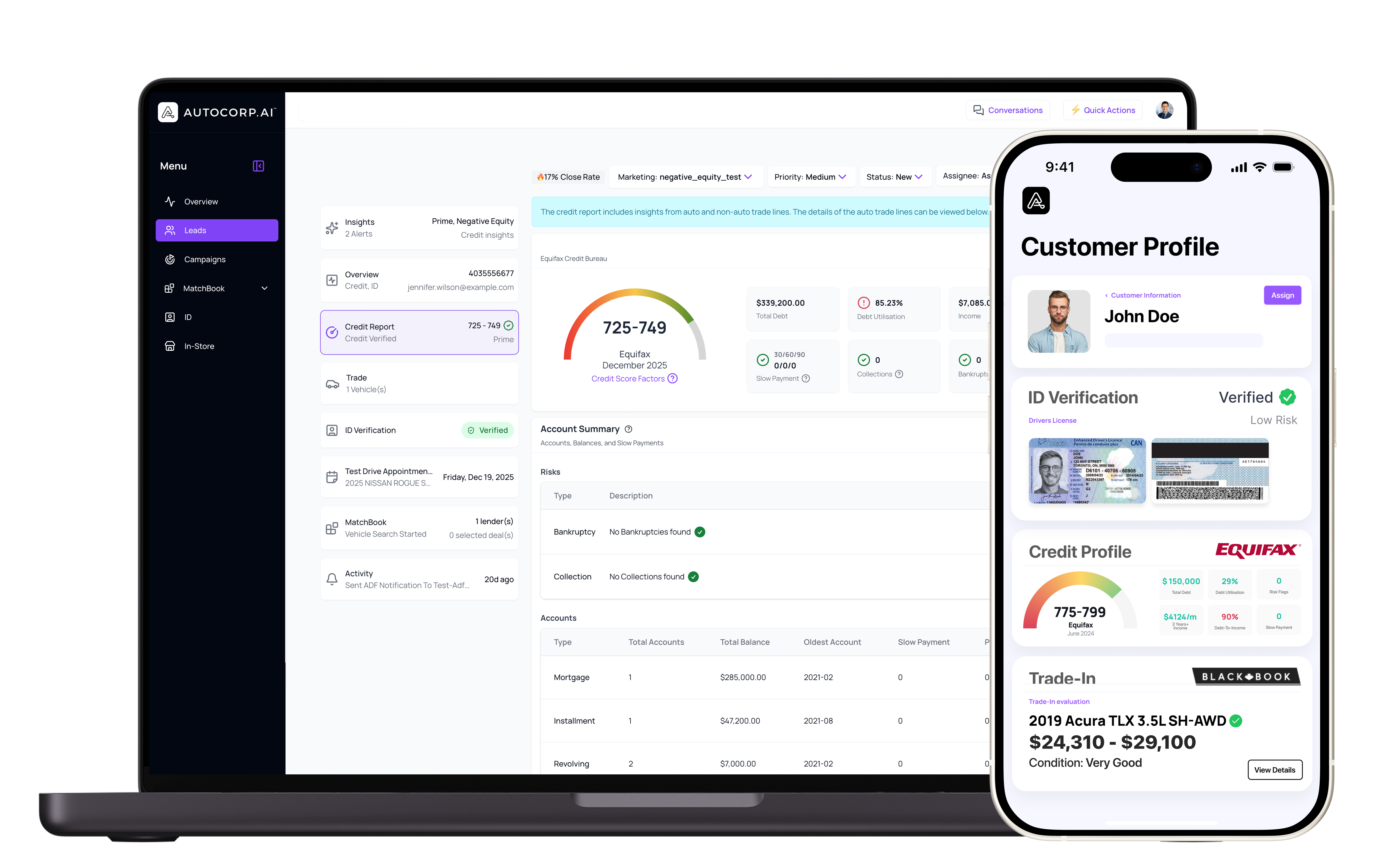
Platforms like AVA™ can help dealerships simplify onboarding, automate credit verification, and maintain customer engagement throughout the lifecycle of the subscription. These digital tools ensure the process is fast, secure, and compliant, qualities that today’s customers demand.
Despite their promise, car subscription programs are not without challenges. Managing vehicle logistics, maintaining profitability, and handling insurance complexities can strain smaller operators. Subscription models also require a deep understanding of customer data to tailor offerings effectively and minimize churn.
Dealerships considering launching or partnering on subscription programs should invest in technology that supports automation, data analysis, and customer relationship management. With the right infrastructure, they can adapt quickly to market shifts and deliver seamless subscription experiences.
A car subscription is a monthly plan that gives drivers access to a vehicle without a long-term commitment. The fee typically covers insurance, maintenance, and roadside assistance.
Subscriptions favor flexibility. Drivers can switch vehicles, pause or cancel with short notice, and skip depreciation and resale tasks. Leasing and owning usually lock you into a longer term and separate costs.
People expect on-demand services. Subscriptions match that mindset with flexible terms, clear pricing, and digital-first experiences. Younger drivers value easy switching as needs change.
Automakers build loyalty by keeping customers inside the brand lineup. Dealerships add recurring revenue, deepen engagement, and fill the gap between short-term rentals and long-term leases.
Programs must handle logistics, insurance, and profitability. Success depends on smart use of customer data, automation, and tools that speed onboarding and credit checks.
As automakers continue experimenting with new ownership models, car subscriptions are poised to play a major role in the future of mobility. Analysts predict that as technology matures and costs stabilize, subscriptions will move from a luxury convenience to a mainstream mobility option.
Dealerships that embrace innovation now will be better positioned to attract the next generation of drivers, those who see vehicles not as possessions but as services. The rise of car subscriptions reflects a broader transformation in the auto industry, where flexibility, personalization, and technology drive the future of automotive retail.