 Activix
  AutoTrader
  Black Book
  CarGurus
  Equifax
  TransUnion


Search engine optimization, commonly known as SEO, has become one of the most important digital strategies for car dealerships. Today’s buyers start their journey online, often long before they ever visit a showroom. If your dealership is not visible when shoppers search for vehicles, financing information, or buying advice, you are losing opportunities to competitors who are.
Understanding how SEO works and why it matters can help your dealership attract more high-intent shoppers, build trust earlier in the buying journey, and generate consistent organic traffic without relying entirely on paid ads.
Key Takeaways
- SEO helps car dealerships show up in unpaid (organic) search results, which builds trust and drives steady traffic over time.
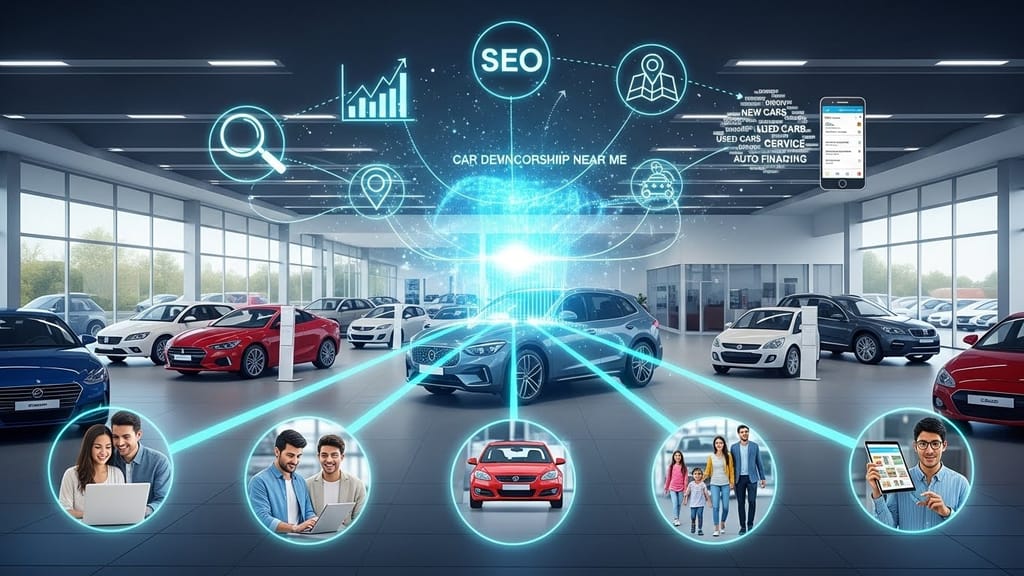
- Dealership SEO works best when pages match real buyer intent, like inventory, service, financing, trade-in, and local “near me” searches.
- On-page SEO covers what’s on your site (titles, headings, content, internal links, speed, mobile usability, navigation).
- Off-page SEO signals credibility, especially backlinks from reputable sites; image alt text and technical crawlability also support visibility.
- Website speed and mobile-friendly design matter, slow pages (over about three seconds) lose visitors and can hurt rankings.
What Is SEO and Why Does It Matter for Dealerships?
SEO is the practice of improving your website so it appears higher in organic search results on platforms like Google and Bing. Organic traffic refers to visitors who find your website naturally through a search query, rather than clicking on a paid advertisement.
For example, when someone searches “best used SUV for families” or “car dealership near me,” Google displays a mix of paid ads and organic listings. While paid ads can deliver quick visibility, organic listings often receive more long-term traffic and higher trust from shoppers.
The goal of SEO for a dealership is simple. You want your website to appear when potential buyers search for vehicles, dealership services, financing options, or automotive advice related to your market.
Effective dealership SEO focuses on:
- Understanding what shoppers are searching for
- Creating relevant, helpful content
- Making your website easy for search engines to crawl and understand
- Delivering a fast, mobile-friendly user experience
When done correctly, SEO turns your website into a steady source of qualified traffic.

On-Page SEO vs Off-Page SEO
SEO is typically divided into two categories: on-page SEO and off-page SEO. Both are essential for dealership visibility.
On-Page SEO Explained
On-page SEO includes everything a visitor can see and interact with on your website. This covers:
- Page titles and headings
- Written content and keywords
- Page structure and internal links
- Website speed and mobile usability
- Clear navigation and user experience
For dealerships, on-page SEO means creating pages that match real buyer intent. This could include inventory pages, service pages, financing information, trade-in resources, and blog content that answers common buyer questions.
Keyword usage is important, but relevance matters more. Using popular keywords that have nothing to do with your dealership will not help rankings. Search engines prioritize content that clearly matches what the user is trying to find.
It is also critical to avoid keyword stuffing. Content should read naturally, provide value, and answer questions clearly. High-quality content keeps visitors engaged and signals to search engines that your site deserves to rank.
Off-Page SEO Explained
Off-page SEO focuses on the signals search engines use to evaluate credibility and authority. Much of this happens behind the scenes.
Key off-page SEO elements include:
- Backlinks from credible websites
- Internal linking between pages on your site
- Image optimization, including descriptive alt text
- Technical signals that help search engines crawl your site
For example, if your website includes an image of a customer test driving a truck, adding descriptive alt text like “customer test driving blue pickup truck” helps search engines understand the image content.
Backlinks are especially important. When reputable websites link to your dealership content, it tells search engines that your site is trustworthy and valuable. This can significantly improve rankings over time.
Website Performance and SEO
Website performance plays a major role in SEO success. Search engines favor sites that load quickly and work well on mobile devices.
If your dealership website takes longer than three seconds to load, you risk losing both visitors and rankings. Slow pages increase bounce rates and signal poor user experience.
See how 650+ dealerships use AVA® to surface credit-qualified buyers before they sit down at the desk.
Mobile responsiveness is equally important. Most automotive shoppers browse inventory and research financing on their phones. A mobile-friendly site improves engagement and search visibility.
Key performance factors include:
- Fast page load times
- Clean site structure
- Easy navigation
- Mobile-optimized design
How SEO Helps Your Dealership Generate More Leads
SEO is not just about traffic. It is about attracting the right shoppers at the right stage of the buying journey.
By publishing content that explains vehicle options, financing basics, trade-in tips, and dealership services, you position your dealership as a trusted resource. This builds credibility before the first conversation ever happens.
Educational content also helps convert research-focused shoppers into leads. Someone searching for information about the car buying process today may become a buyer tomorrow. SEO allows you to stay visible throughout that journey.
Unlike short-term campaigns, SEO compounds over time. Strong content and optimized pages continue to attract traffic long after they are published.
Why SEO Is No Longer Optional for Dealerships
Car buying has become increasingly digital. Shoppers expect transparency, education, and easy access to information. Dealerships that invest in SEO are better positioned to meet those expectations.
SEO helps:
- Increase visibility in local search results
- Build trust before showroom visits
- Reduce reliance on paid advertising
- Drive consistent, long-term traffic
In a competitive automotive market, SEO is no longer a nice-to-have. It is a foundational strategy for dealerships that want to stay relevant, competitive, and visible where buyers are searching.
By focusing on strong content, technical performance, and buyer intent, SEO can become one of the most valuable tools in your dealership’s marketing strategy.
Frequently Asked Questions About SEO for Car Dealerships
What is SEO for car dealerships?
SEO for car dealerships is the process of improving a dealership website so it ranks higher in organic search results on Google and Bing. The goal is to show up when shoppers search for vehicles, dealership services, financing options, trade-in info, or car buying advice in your market.
What’s the difference between on-page SEO and off-page SEO?
On-page SEO is what you control on your website, like page titles, headings, content, keywords, internal links, site structure, speed, and mobile usability. Off-page SEO is how search engines judge trust and authority, especially through backlinks from credible websites and other signals that support crawlability and relevance.
Why does website speed matter for dealership SEO?
Search engines prefer fast sites because speed improves user experience. If a dealership site takes longer than about three seconds to load, more visitors leave quickly, which can increase bounce rates and hurt rankings. Speed also matters on mobile, where most shoppers browse inventory and research financing.
How does SEO generate leads for a dealership?
SEO brings in shoppers who are already searching for specific answers or services. Content that explains vehicle options, financing basics, trade-ins, and the buying process helps build trust early and can turn research visits into form fills, calls, and showroom visits over time.
Why is SEO important if a dealership already runs paid ads?
Paid ads can drive quick visibility, but organic search can produce consistent traffic over the long term without paying for every click. Strong SEO also builds trust, supports local visibility, and reduces how dependent the dealership is on ad spend.